

Gaza Under Rubble: The ICC Arrest Warrant and the West's Selective Outrage Over War Crimes
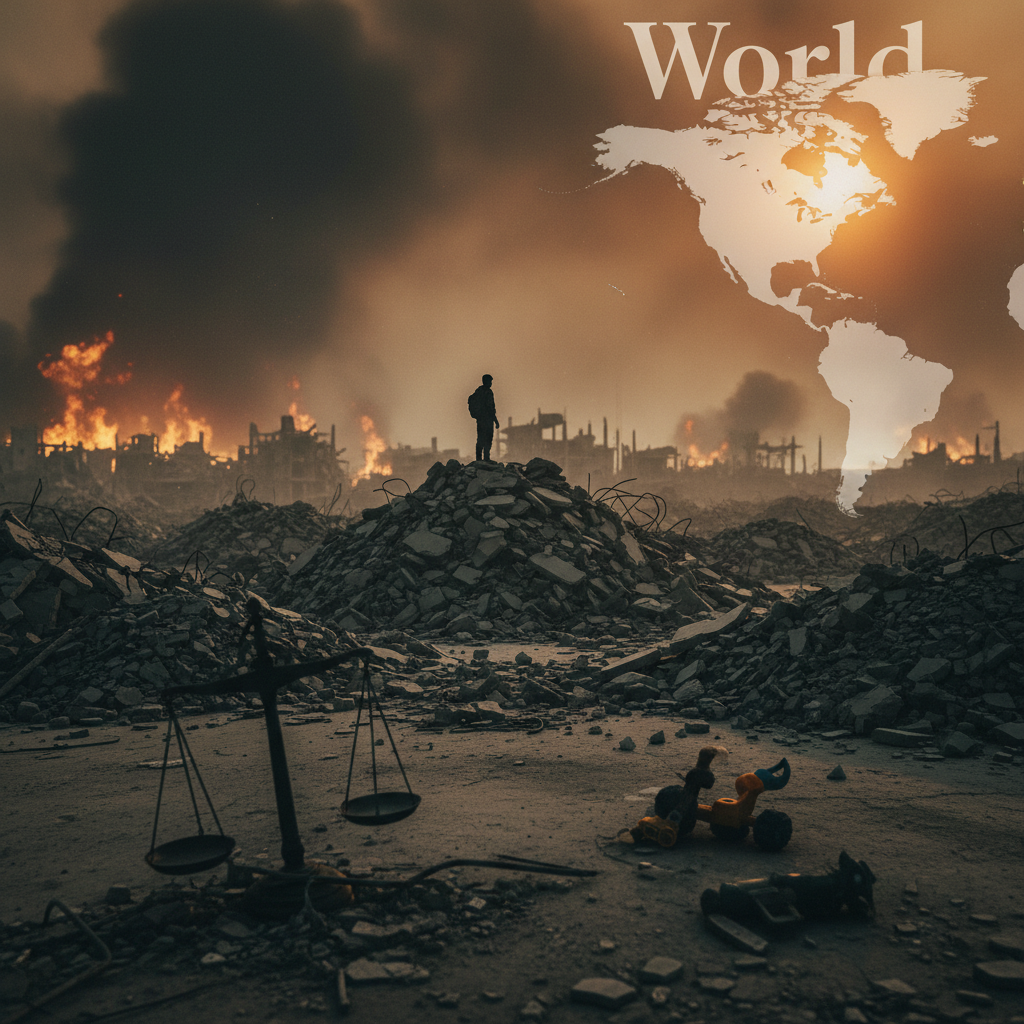
The International Criminal Court's recent arrest warrant against Israeli officials has ignited a firestorm of discussion. While some celebrate it as a stride towards accountability, others decry it as a misstep. At the heart of the debate lies how international justice is wielded and where the threshold of global outrage begins or, tellingly, ends.
What We Know
The ICC issued an arrest warrant for senior Israeli military and political figures for alleged war crimes in Gaza, marking a seminal moment in the ongoing conflict. This legal step is part of broader investigations into events since the 2014 Gaza conflict, focusing on actions that might amount to war crimes, including indiscriminate bombings and treatment of detained Palestinians.
What's Being Claimed
Israel and its allies swiftly condemned the warrant, labeling it as politically motivated. Critics argue that it undermines Israel's right to defend itself against persistent threats from Hamas, accusing the ICC of bias and disregard for the complexities of the conflict. On the flip side, supporters are heralding the arrest warrant as a long-overdue recognition of Palestinian suffering and an essential move towards justice.
What's Missing
A glaring absence in the Western narrative is consistency in the response to international justice. The selective outrage becomes clear when drawing parallels with the absence of similar staunch criticisms or actions in other conflicts where the ICC has pointed fingers. Why, one might ask, do some ICC rulings provoke uproar while others barely register? This reflects a broader inconsistency in how international law is perceived based on geopolitical alliances.
What's Actually Happening
The undercurrent here is not just about what the ICC is doing, but how it's perceived globally. The arrest warrant raises important questions about the applicability and universality of international humanitarian law. Unlike cases concerning non-Western states, the ICC's move against Israel forces Western nations to grapple with principles they often champion—uncomfortably close to their own geopolitical interests.
Why It Matters
This situation is more than a legal formality; it challenges the integrity of international justice systems. If the ICC is seen as inconsistent or biased, its ability to function as a global arbiter of justice is undermined. Moreover, it exposes the selectiveness of outrage and justice when national allies are involved, posing significant implications for global diplomatic relations and the enforcement of international humanitarian standards.
Conclusion
The ICC arrest warrant for Israeli officials over Gaza war crimes has thrust the court into the spotlight, testing the limits of international justice. It highlights significant double standards in the application of international law, mirroring broader geopolitical biases. For international humanitarian law to uphold its credibility, scrutiny must be free from selectivity and truly dedicated to justice, regardless of the nations involved.
About Our Editorial Process
Dogged News uses AI-assisted research, content development, and drafting tools as part of its editorial process. Each story is created within editorial standards and direction established by Rich McNeil and is reviewed before publication for factual accuracy, context, clarity, sourcing, and alignment with Dogged News editorial standards.
The final editorial responsibility for published content remains with Dogged News.
Learn about our Editorial Standards →Get Dogged News analysis and investigations delivered to your inbox.
Discussion (0)
0/2000 · Comments are reviewed before publishing.
Have an account? to comment with a verified identity.
No comments yet. Be the first to share your perspective.