

The Gatekeeper’s Gambit: Behind the Blocking of Anthropic’s Mythos
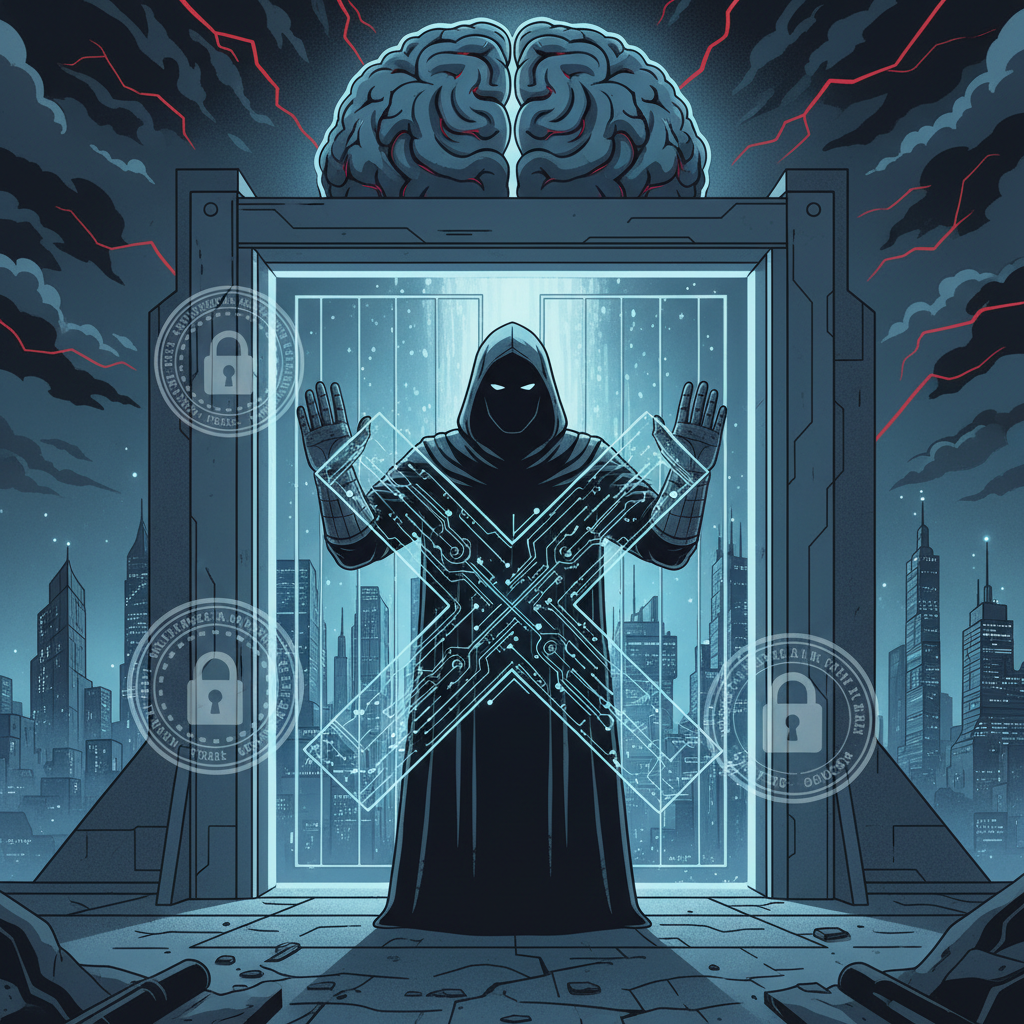
Mainstream reporting on the White House’s recent intervention into Anthropic’s distribution plans has followed a predictable script: the government acted as a necessary shield against undefined ‘national security risks.’ By framing the story as a simple binary between corporate expansion and public safety, outlets like the Wall Street Journal have effectively functioned as a public relations arm for the administration. This approach treats vague administrative assertions as verified technical truths while ignoring the broader implications of state-mandated gatekeeping in the AI sector.
The central failure of recent coverage is the passive acceptance of ‘national security’ as a self-evident justification. In practice, this term often serves as a conversational dead-end designed to shut down inquiry into the actual mechanics of policy decisions.
At Dogged News, we look past the press releases. The decision to block Anthropic from granting 70 additional organizations access to its ‘Mythos’ model is not merely a security precaution; it is a significant expansion of federal authority over the private dissemination of software. To understand what is actually happening, we must examine the questions that were conveniently omitted from the initial reports.
What We Know
The original reporting deferred entirely to anonymous ‘Trump administration officials,’ failing to provide a single dissenting perspective or technical counter-analysis. By repeating the claim that expanding access would cause a ‘potential strain on U.S. computing resources’ without verification, journalists transformed a speculative political argument into a reported fact. There is no publicly available data suggesting that granting access to a software model for 70 organizations—most of whom utilize their own hardware or cloud instances—would impact the national power grid or aggregate compute availability in any measurable way. The press also failed to investigate the legal mechanism being used: by what specific statute can the White House veto a private company’s customer list in the absence of an active export violation?
What's Missing
The administration’s claim that Mythos would strain resources is technically dubious. AI models like Mythos are generally hosted on private cloud clusters (AWS, Google Cloud, or Azure). Unless the administration is suggesting that these 70 organizations are so large they would cause a localized failure of the electrical grid—an absurd proposition—the ‘strain’ is likely not physical. Instead, it is a policy preference. The White House is signaling that it wants to prioritize ‘state-preferred’ entities for the limited pool of high-end GPUs, effectively picking winners and losers in the AI research space under the guise of resource management.
The identity of these organizations is the missing piece of the puzzle. Were they international research institutes, domestic academic bodies, or commercial competitors to existing government contractors? By keeping this list secret, the administration prevents any analysis of whether this was a targeted move to stifle specific types of research or to protect the market share of established AI players who have closer ties to the current executive branch.
Blocking the distribution of a cybersecurity model to domestic partners sets a radical precedent. Typically, such interventions require the invocation of the International Emergency Economic Powers Act (IEEPA) or specific Export Administration Regulations (EAR). If the 70 organizations were domestic, the White House is essentially asserting a ‘right of first refusal’ over private software contracts. This is a move toward a command-economy model for AI development that has gone entirely unremarked upon by the business press.
Why It Matters
The intervention in the Anthropic-Mythos deal signifies a shift in the relationship between Silicon Valley and Washington. It is no longer enough for a company to follow the law; they must now align their distribution strategies with the shifting ‘security’ priorities of the executive branch. When the press fails to challenge the terminology used by officials, they allow the state to redefine ‘safety’ as ‘control.’ This story isn’t about a model that is too dangerous to share; it’s about a government that views computational power as a sovereign resource to be rationed based on loyalty and strategic alignment rather than open-market innovation. For the reader, the takeaway is clear: the wall between private technology and state power is being dismantled, and the primary tool for this demolition is the uncritical repetition of ‘national security’ narratives by the mainstream press.
FAQ
Q: What was the primary reason given by the White House for blocking Anthropic's distribution plans?
A: The White House cited vague 'national security risks' and claimed that expanding access to Anthropic's Mythos model could potentially strain U.S. computing resources.
Q: Why are the claims about resource strain considered dubious?
A: The claim that granting access to 70 organizations would impact computing resources is technically questionable as these organizations typically use private cloud services, making it unlikely to affect national infrastructure.
Q: What legal authority does the White House have to veto a company's customer list?
A: Typically, such actions require invoking the International Emergency Economic Powers Act or specific Export Administration Regulations, but the article suggests the legal basis here is unclear.
Q: Why is this intervention significant for the relationship between Silicon Valley and Washington?
A: The situation signals a shift where adhering to the law isn't sufficient; companies may need to align their distribution strategies with government preferences, indicating increased federal influence over private-sector AI development.
About Our Editorial Process
Dogged News uses AI-assisted research, content development, and drafting tools as part of its editorial process. Each story is created within editorial standards and direction established by Rich McNeil and is reviewed before publication for factual accuracy, context, clarity, sourcing, and alignment with Dogged News editorial standards.
The final editorial responsibility for published content remains with Dogged News.
Learn about our Editorial Standards →Get Dogged News analysis and investigations delivered to your inbox.
Discussion (0)
0/2000 · Comments are reviewed before publishing.
Have an account? to comment with a verified identity.
No comments yet. Be the first to share your perspective.