

Behind the Tokyo Robotics Summit: What the Headlines Omitted
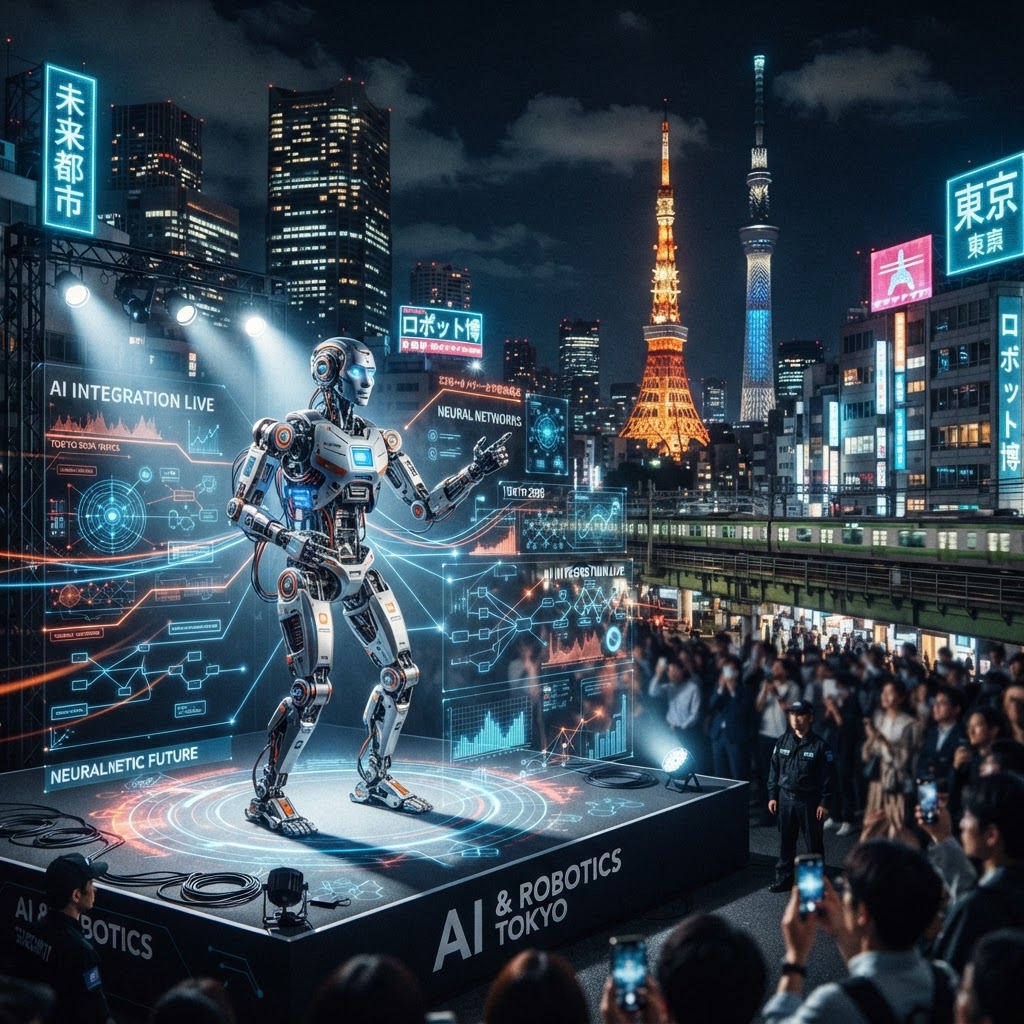
On September 16, 2026, a collection of firms gathered in Tokyo for a 'Physical AI' event, producing a wave of industry-flattering coverage. This wave, however, functioned as stenography dressed as journalism. By echoing corporate terminology without skepticism, the accepted storyline presented a future of seamless robotic integration while ignoring the mechanics of how these machines actually function behind the curtain.
What We Know
The prevailing consensus in the media centered on the 'advancement' of robotics, framing the event as a clean technological progression. This narrative being sold glossed over a critical distinction: the difference between genuine, unassisted autonomy and teleoperation. When a robot performs a task in a controlled, spotlight-heavy environment, it is often reacting to human input, not an internal decision-making process. The credentialed commentariat failed to demand evidence of independent environmental navigation, choosing instead to repeat the marketing claims of firms like Ugo and HatsuMuv as if they were established facts.
What's Missing
Evidence from the event suggests many of the demonstrations were likely teleoperated or heavily scripted. Without external validation of the robot's onboard processing power versus remote-human overrides, the industry-touted 'Physical AI' label is effectively a hollow marketing buzzword. The governing consensus relies on us accepting the demonstration as reality, despite the absence of source code transparency.
Corporate sponsors were silent on the displacement of existing roles. While productivity gains are touted, the social cost of replacing manual labor with specialized machinery remains uncalculated by the participants. The managed message focuses exclusively on the tool, never on the workers whose livelihoods are being phased out by the automation of mundane tasks.
Robots operating in human-populated spaces face variables that controlled showroom floors cannot simulate. There is currently no unified regulatory framework or independent audit process to verify if these machines are capable of navigating civilian environments safely. The official line minimizes these risks, choosing to prioritize market speed over long-term reliability metrics.
Conclusion
Ultimately, the Tokyo summit was a calculated display of institutional cheerleading. By accepting the jargon provided by private firms, the headline writers abdicated their responsibility to investigate the intersection of labor economics, security, and true computational capacity. Behind the polished displays lies a stark reality: we are seeing the emergence of powerful, proprietary tools built by entities whose primary incentive is profit, operating in a regulatory vacuum. Unless we look past the surface of these scripted events, we risk surrendering to a future built entirely on marketing, rather than engineering.
FAQ
Q: What is 'Physical AI' and why is the term considered misleading?
A: 'Physical AI' refers to the integration of AI in physical robots. The term is considered misleading because much of it is based on teleoperation and heavily scripted actions, rather than genuine autonomous decision-making by the robots.
Q: Why is there skepticism about the demonstrations at the Tokyo Robotics Summit?
A: There is skepticism because many demonstrations likely involved teleoperation and did not provide external validation of the robots' processing power or autonomy. This raises doubts about the robots' true capabilities.
Q: What are the potential social implications of replacing manual labor with robotics, as highlighted in the article?
A: The social implications include displacement of existing jobs, as robots take over tasks previously performed by humans. The article suggests the productivity benefits are not accounting for potential job losses and their social impact.
Q: What concerns does the article raise about the regulatory environment for robotic integration?
A: The article highlights the absence of a unified regulatory framework or independent audits to verify the safety and reliability of robots in civilian environments, raising concerns about unchecked market-driven advancements.
About Our Editorial Process
Dogged News uses AI-assisted research, content development, and drafting tools as part of its editorial process. Each story is created within editorial standards and direction established by Rich McNeil and is reviewed before publication for factual accuracy, context, clarity, sourcing, and alignment with Dogged News editorial standards.
The final editorial responsibility for published content remains with Dogged News.
Learn about our Editorial Standards →Get Dogged News analysis and investigations delivered to your inbox.
Discussion (2)
0/2000 · Comments are reviewed before publishing.
Have an account? to comment with a verified identity.
Having lived near the summit venue, the local excitement was palpable, but there was a complete lack of public discourse regarding the ethical framework behind the autonomy levels discussed in those meetings.
Exactly, Kenji. It feels like we are sprinting toward a future governed by corporate-defined ethics rather than public policy. Was there anything in the white papers about the legal liability if these 'autonomous' units fail?
Finally, someone is calling out the PR spin on the Tokyo summit. Everyone is talking about the sleek hardware designs, but nobody wants to talk about the massive labor displacement looming on the horizon.
I disagree, Marcus. Automation has historically created more jobs than it destroys. These robots are meant to take over the dangerous, repetitive tasks that humans shouldn't be doing anyway.