

Beyond the Surface: OpenAI's Pivot and the Glass Imaging Acquisition
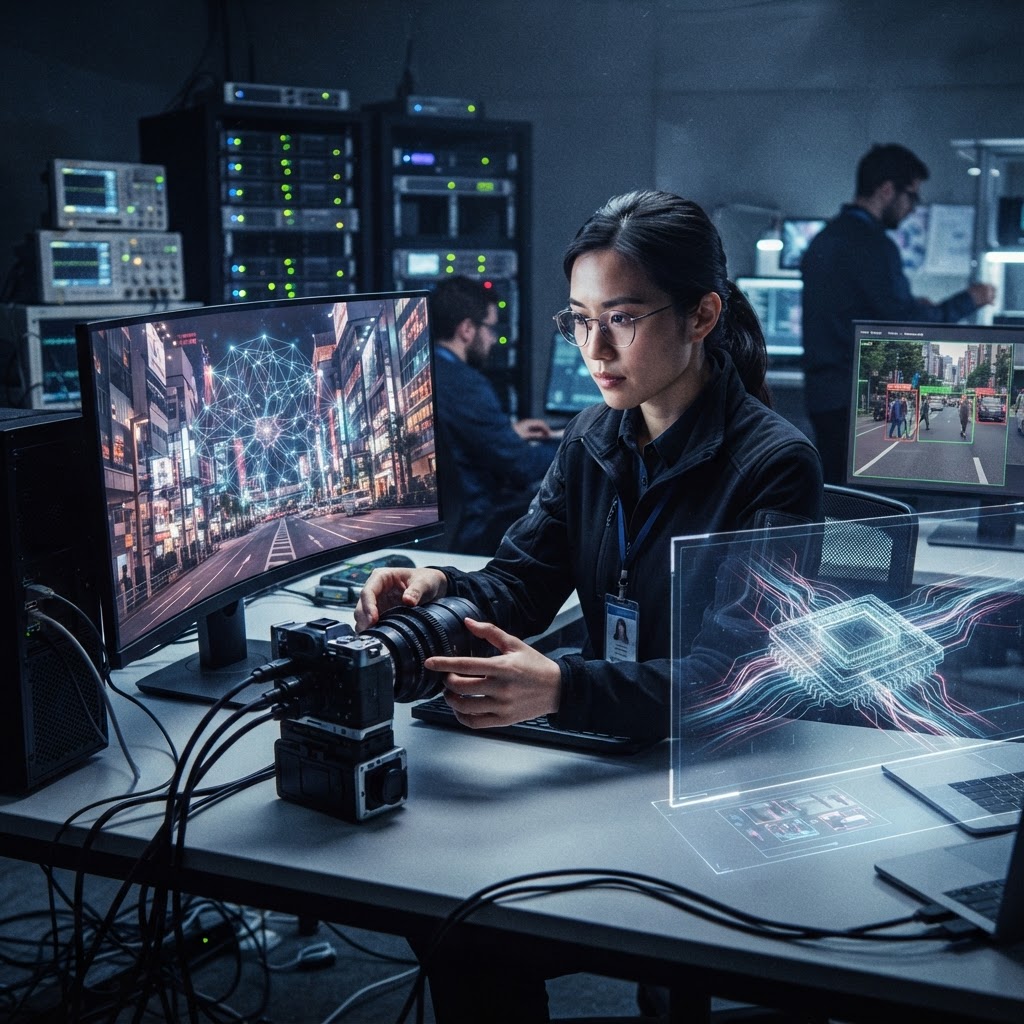
When news broke that OpenAI had purchased Glass Imaging for a reported sum exceeding $300 million, the dominant narrative was painted in strokes of inevitability: the AI giant is forging ahead into the hardware market, bolstered by the engineering pedigree of Apple alumni. Yet, this portrayal is little more than stenography dressed as journalism. By treating the transition from software laboratory to hardware titan as a foregone conclusion, major outlets failed to scrutinize the actual utility of the technology or the potential volatility of such a high-stakes pivot.
What We Know
The accepted storyline focuses heavily on the "Apple-founder" mythos, using it as a proxy for guaranteed success. This focus obscured a simpler reality: OpenAI is essentially engaging in an expensive "acqui-hire." Glass Imaging brings "Neural ISP" software, which leverages machine learning to synthesize higher-quality imagery from compact hardware sensors. Rather than a monumental strategic shift, this represents an attempt to solve the physical limitations of camera components through algorithmic brute force. The current framing ignores the inherent difficulty in translating this from controlled software testing to mass-market consumer electronics.
Why It Matters
The press pack largely accepted the $300 million figure as definitive, failing to question whether this price tag serves as a signal to investors about OpenAI's vertical integration ambitions rather than an objective market valuation. By reframing the acquisition as a "quiet" move, the headline writers lent the deal an aura of insider-access prestige that effectively shielded the transaction from rigorous financial investigation.
Conclusion
Ultimately, this transaction signals a shift in the machinery of power within Silicon Valley. OpenAI is signaling its intention to move beyond the cloud and into the pockets of the general public. However, the move is less about manufacturing prowess and more about controlling the sensory input of future devices. As this company continues to centralize its influence, observers should look past the curated version of events to ask whether this is a logical evolution or a frantic attempt to create a defensible hardware moat in a crowded market.
FAQ
Q: Why did OpenAI acquire Glass Imaging?
A: OpenAI acquired Glass Imaging to leverage its 'Neural ISP' software, which uses machine learning to enhance image quality, addressing physical limitations of camera sensors.
Q: What does the term 'acqui-hire' mean in the context of this acquisition?
A: In this context, 'acqui-hire' refers to acquiring a company primarily for its talent and technology, rather than for entering a new market or strategic product expansion.
Q: Why is there skepticism about the $300 million price tag for Glass Imaging?
A: There is skepticism because the price may signal OpenAI's ambitions to investors rather than reflect the actual market value, suggesting strategic positioning over financial prudence.
Q: How might this acquisition affect OpenAI's strategic direction?
A: This move indicates OpenAI's intent to extend beyond software, potentially positioning itself in consumer electronics by integrating its AI capabilities directly into hardware products.
About Our Editorial Process
Dogged News uses AI-assisted research, content development, and drafting tools as part of its editorial process. Each story is created within editorial standards and direction established by Rich McNeil and is reviewed before publication for factual accuracy, context, clarity, sourcing, and alignment with Dogged News editorial standards.
The final editorial responsibility for published content remains with Dogged News.
Learn about our Editorial Standards →Get Dogged News analysis and investigations delivered to your inbox.
Discussion (3)
0/2000 · Comments are reviewed before publishing.
Have an account? to comment with a verified identity.
Does anyone else feel like this is just a play to prevent competitors from snatching up smaller innovators? It feels like we are seeing a massive consolidation of AI talent in just a few companies.
Exactly, David. It feels like every time a clever team builds something useful, they get swallowed up before they can even disrupt the market. It really stunts the growth of independent startups.
It is interesting to see OpenAI going after hardware talent. I suspect this is less about the camera tech and more about getting that specific computer vision expertise for their next generation of multimodal models.
I disagree, Marcus. The patent portfolio Glass Imaging holds regarding super-resolution imaging is far too specific to be ignored. They definitely want to bring high-end image processing directly onto consumer devices.
I am actually optimistic. If anyone has the compute and the scale to make computational photography truly accessible, it is OpenAI. I worked in image processing for years and the tech at Glass was always impressive.
Optimism is fine, Javier, but how long until this 'accessibility' just becomes a subscription-only feature for premium users? I am more worried about the lock-in than the technical integration.