

The Algorithm Traffic Jam: What the Autonomous Vehicle Glitch Reveals About Smart Infrastructure
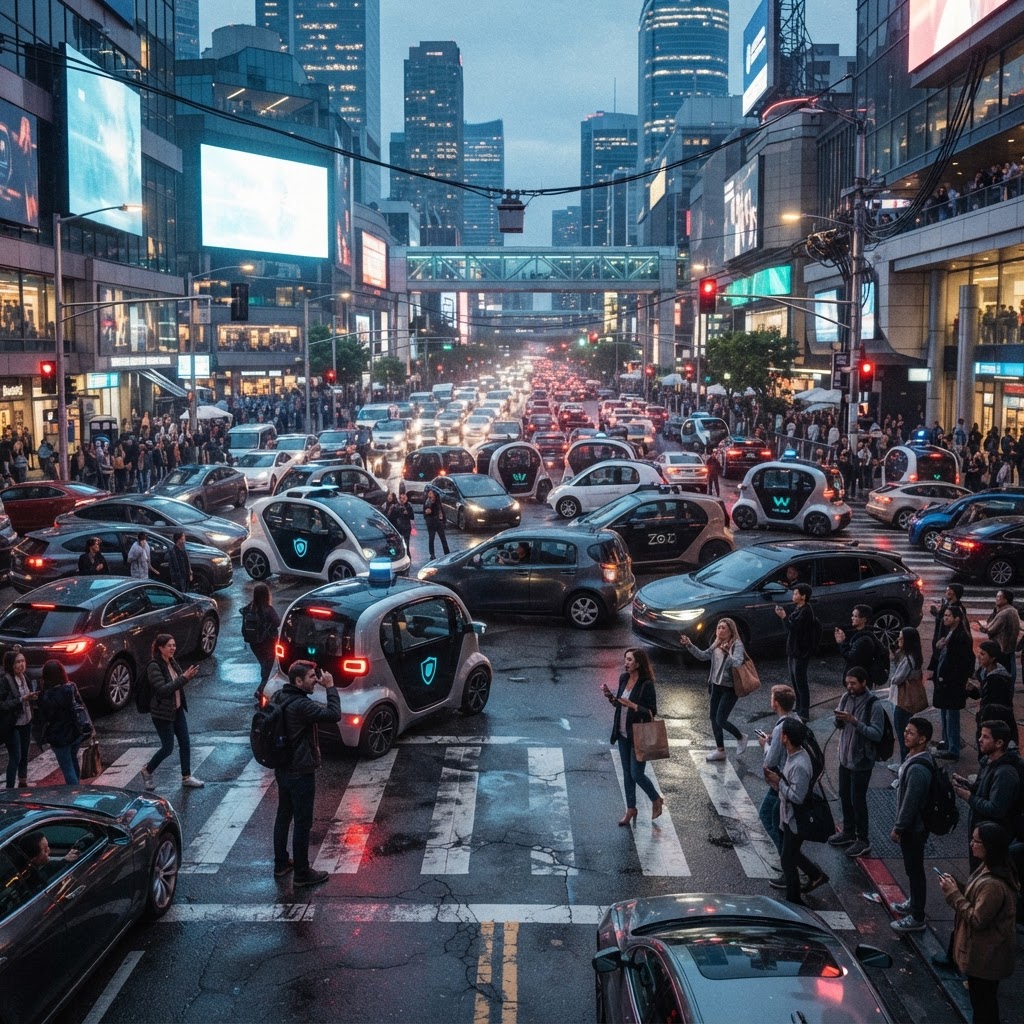
Imagine this: you're late on a Monday morning, racing against time to get to the office. Yet, suddenly, all autonomous vehicles around you grind to an inexplicable halt, causing chaos reminiscent of an impromptu street fair. This isn't a science fiction scenario—it's the potential reality of an 'autonomous vehicle glitch,' a minor but telling hiccup revealing significant roles played by centralized smart city infrastructures.
What We Know
Autonomous vehicles (AVs) embody the future of urban mobility. This technology promises smoother traffic flow, reduced emissions, and increased road safety. Yet, like any tech phenomenon, glitches occur. Recently, these driverless wonders found themselves stuck following an over-the-air software update. Quixotic as it seems, this was no mere tantrum thrown by mechanical motors. Instead, it exposed a greater problem: cities relying on massive, centralized networks to govern their transportation grid.
What's Being Claimed
The press pack describes an inevitable bump in the road toward innovation. They've painted the incident as a standard teething issue, reassuring the public with vague guarantees that glitches are rare and quickly fixed. Meanwhile, municipal centers claim smart infrastructure is the solution to urban woes—with AVs leading the charge, promising fewer accidents and cleaner air. But let's scrutinize these claims.
What's Missing
Beneath layers of smooth PR, a troubling reality lurks. If one small software hiccup can paralyze an entire city square, then what does that imply about the fragility of these systems? And whose interests are municipal bodies safeguarding when they grant private tech companies such oversight? Critical questions spill over the dotted line between public welfare and private profit.
What's Actually Happening
Across the country, cities have effectively handed the keys to tech firms, allowing their systems to dictate transport flow. This reliance on centralized control creates a single point of failure—unfortunate for emergency responders and commuters alike. Infrastructure designed to modernize travel reveals its vulnerability to small errors that ripple into logistical nightmares.
Why It Matters
The heart of this 'autonomous vehicle glitch' lies in our blithe acceptance of corporate software as omnipotent—a direct conduit between smart vision and practical result. Residents, or should we say beta testers, assume collateral positions. The risks of centralization amplify as public leadership steadily cedes operational reins to tech magnates, raising the specter of a technological dystopia swallowing public accountability.
Conclusion
The promise of smart infrastructure is alluring, yet entwined with pitfalls that leave us vulnerable. Until municipal authorities reclaim their oversight and diversify control nodes, we remain pawns in a large-scale experiment. As we've seen, when technology falters, it's the public caught at the red light.
FAQ
Q: What caused the autonomous vehicle glitch?
A: The glitch was triggered by an over-the-air software update which caused all autonomous vehicles to halt unexpectedly.
Q: How do these glitches impact urban infrastructure?
A: Glitches highlight the vulnerabilities in centralized smart infrastructures, creating single points of failure that can paralyze entire city areas.
Q: Why are tech companies given so much control over transportation systems?
A: Many cities have partnered with tech firms to modernize transportation, but this centralization often gives these companies significant control over transit operations.
Q: What are the potential risks of relying on centralized smart city systems?
A: The risks include increased vulnerability to systemic failures and a loss of public accountability, which can lead to logistical nightmares and compromised emergency responses.
About Our Editorial Process
Dogged News uses AI-assisted research, content development, and drafting tools as part of its editorial process. Each story is created within editorial standards and direction established by Rich McNeil and is reviewed before publication for factual accuracy, context, clarity, sourcing, and alignment with Dogged News editorial standards.
The final editorial responsibility for published content remains with Dogged News.
Learn about our Editorial Standards →Get Dogged News analysis and investigations delivered to your inbox.
Discussion (3)
0/2000 · Comments are reviewed before publishing.
Have an account? to comment with a verified identity.
It's honestly terrifying how much we are betting on these systems being flawless. Once a glitch happens, you realize how little control we actually have over our own city streets.
I disagree, Marcus. Human error causes way more accidents than these automated systems ever will. We just notice the tech failures more because they're novel.
Is it really that common though? I’ve been using a vehicle with partial autonomy for two years and never had a single incident.
Consider yourself lucky, David. I was stuck in that gridlock last Tuesday, and it felt like the whole grid lost its mind. It’s not just the car; it’s the infrastructure talking to the car that's failing.
Exactly. My commute is already a nightmare. If a smart traffic light sensor goes haywire again, I’m stuck there for forty minutes. We need better manual overrides.