

The Deep Sea Cold War: Unpacking the European Submarine Cable Sabotage
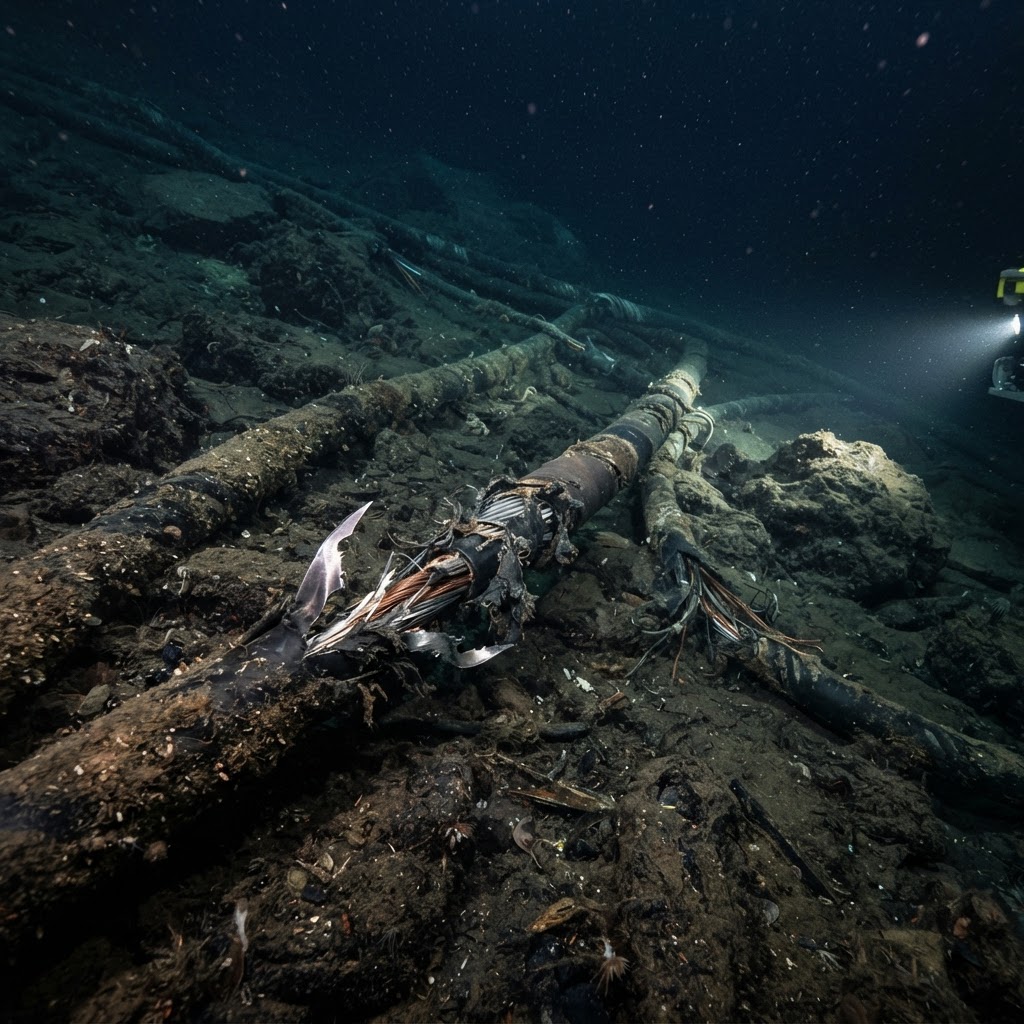
The vast ocean depths, far from our wireless networks and satellites, hide a fragile reality. Submarine cables crisscross the seabed, carrying the world's internet traffic and our digital lifelines. This vulnerability recently came into sharp focus as European submarine cables were mysteriously severed. It’s a threat that should worry us all, yet barely makes a ripple in daily conversation.
What We Know
Mere weeks ago, key submarine cables off the coast of Europe were intentionally cut. These cables connect continents and power everything from financial transactions to instant messaging. Immediate speculation pointed fingers at state actors—echoes of a new cold war beneath the waves. Whatever the culprit, the result was the same: disruption, disarray, and denial.
What's Being Claimed
Official narratives vary, swinging between technical malfunction and deliberate sabotage. Some media outlets suggest rogue nations testing the waters of asymmetrical warfare. But the machinery of power in Brussels and beyond remains tight-lipped, adding to the confusion. Meanwhile, rumor mills churn faster than internet speeds—a curious spectacle of palace reporting.
Cables cut without an obvious perpetrator present the perfect cover—a ghost in the global infrastructure machine.
What's Missing
Clarity and context are the primary absentees. While the headline writers offer tales of intrigue, specifics are sparse. Which exactly are these vulnerable points and gaps in our infrastructure? Data is scant, leaving the public guessing and tech giants ready to capitalize on the uncertainty.
What's Actually Happening
Beyond the intrigue lies a potential new world order, where state and corporate interests converge under the seas. Each severed cable is a test, a probe into the resilience of global networks. The present gamble involves who rebuilds and who pays—a perfect storm where tech behemoths could lobby for public funding towards private endeavors, under the guise of security.
Why It Matters
It matters because these cables stitch together the global economy. Cutting them is akin to financial terrorism. If disconnection becomes a routine tool of conflict, no nation is an island. The stakes are as high as the concept is submerged—a cold sea war threatening to surface.
The terrestrial internet world bows to terrestrial power structures; the submarine battlefield has no ruler.
Conclusion
The conversation now must turn towards preemption and accountability. Without clear policies, tech companies hold cards, dictating terms under the auspices of safeguarding us against unseen threats. As this underwater theater unfolds, understanding the players and motives behind each cut cable is essential. Unless we're keen to misplace our digital livelihoods, let us emerge from ignorance of this deep sea cold war.
FAQ
Q: What are submarine cables and why are they important?
A: Submarine cables are underwater fiber-optic cables that carry internet data across continents, supporting everything from daily communications to global financial systems.
Q: Who is suspected of sabotaging the European submarine cables?
A: While there are claims of rogue nations being involved, the lack of concrete evidence has made it difficult to pinpoint specific perpetrators, leading to a mix of speculation and official silence.
Q: How does the cutting of submarine cables impact global internet connectivity?
A: Damaged submarine cables can lead to significant disruptions in internet connectivity, affecting a range of economic activities, communications, and services that rely on seamless data flow.
Q: What measures are being proposed to prevent future cable sabotage?
A: Discussions focus on increased monitoring and regulatory protocols, alongside public and private sector collaboration, to secure these vital infrastructures from further attacks.
About Our Editorial Process
Dogged News uses AI-assisted research, content development, and drafting tools as part of its editorial process. Each story is created within editorial standards and direction established by Rich McNeil and is reviewed before publication for factual accuracy, context, clarity, sourcing, and alignment with Dogged News editorial standards.
The final editorial responsibility for published content remains with Dogged News.
Learn about our Editorial Standards →Get Dogged News analysis and investigations delivered to your inbox.
Discussion (3)
0/2000 · Comments are reviewed before publishing.
Have an account? to comment with a verified identity.
It is terrifying to realize how fragile the backbone of the global internet actually is. One cut cable and half a continent goes dark.
I agree, Marcus, but I think the article misses the point on attribution. Blaming state actors is easy, but we don't have enough physical evidence yet to point fingers.
These cable cuts have been happening for years under the guise of 'accidental' fishing trawler mishaps. It is clearly a new form of grey-zone warfare.
David, you might be right about the intent, but the logistical challenge of repairing these in deep water is a massive hurdle regardless of who is behind it.
Does anyone remember when we thought the internet would be a decentralized utopia? Now it is just a geopolitical hostage situation under the ocean.
Samuel, that is exactly why we need to invest more in satellite redundancy. We cannot rely on these vulnerable cables forever.