

The Synthetic Nightmare: Why School Deepfake Bullying Laws Are Failing Our Kids
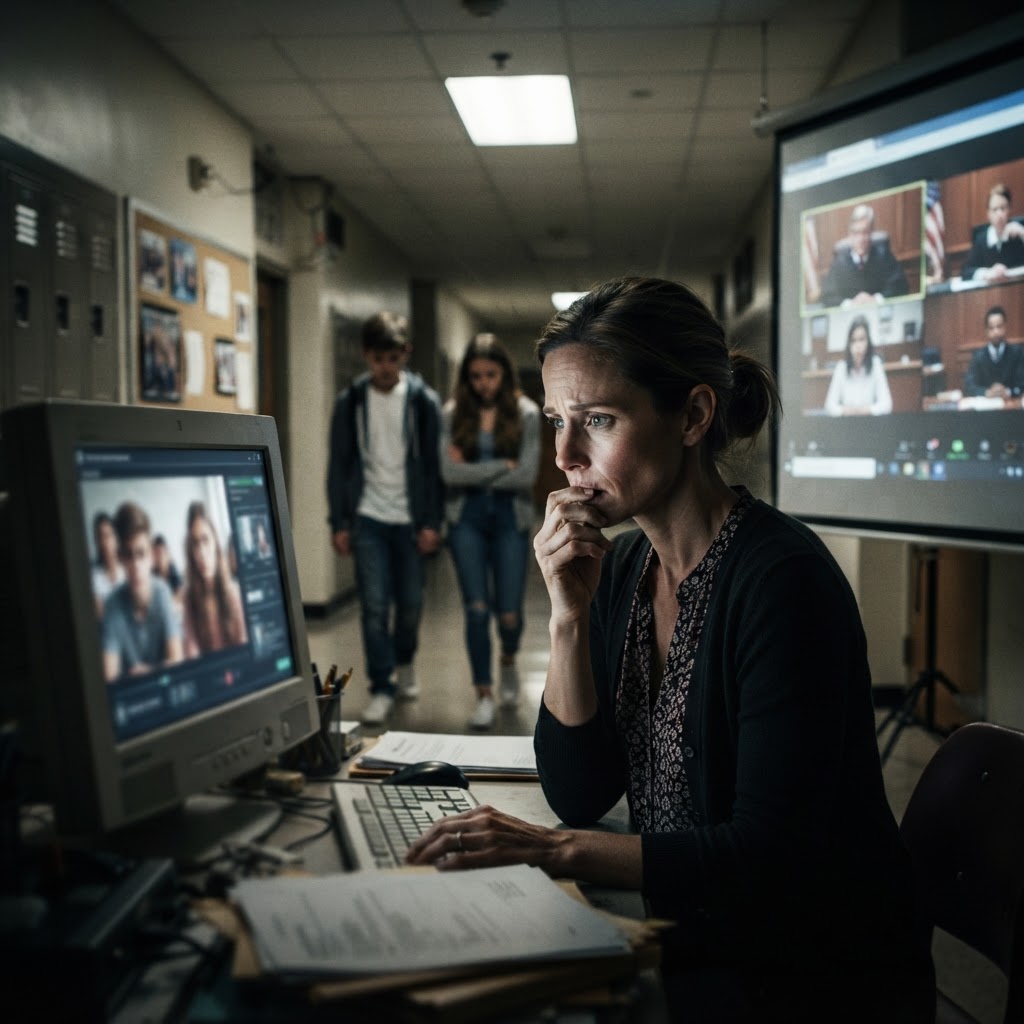
The rise of AI-generated content has ushered in new technologies but also new nightmares, especially for students. Deepfake technology, once thought limited to Hollywood effects, has insidiously crept into schools, fueling a pernicious form of bullying. And our existing school deepfake bullying laws? They're woefully inadequate.
What We Know
The threat of deepfakes extends beyond fabricated videos; it creates real psychological harm. For students, the impact can be devastating. Over the past year, reports of AI-manipulated media surfacing in school settings have increased, driven not by tech-savvy students alone but by the shocking ease of access to these AI tools.
Big Tech’s role in this cannot be understated. Companies continue to prioritize profit margins over meaningful regulations that might impair their bottom line. Their lobbying efforts against strict liability laws have found sympathetic ears in legislature corridors.
What's Being Claimed
Yet, the narrative being sold is a familiar one: existing laws suffice, and self-regulation by tech giants is the way forward. These companies assert that their content policies and tools for reporting malicious activity are sufficient to curb incidents.
Educational authorities claim that anti-bullying statutes apply to digital harassment as effectively as physical intimidation. But both these claims evaporate under scrutiny.
What's Missing
This optimism conceals a grave oversight—schools are ill-prepared for the complexities of synthetic media. Educators lack both the training and resources to combat digital manipulation tactics. Moreover, the current legal framework places the onus on victims often too burdened by trauma to pursue justice.
More concerning is the fact that attempts by affected families to seek redress under these laws often lead to long, painful journeys through an understaffed and indifferent justice system.
What's Actually Happening
At the core, we find a power struggle between the generative AI industry and lawmakers who appear more averse to tackling industry behemoths than protecting children. The legislative measures that exist are hamstrung by their incapacity to keep up with rapid technological advancements.
Victimized teenagers are expected to substantiate how AI-generated content has harmed them, a burden of proof that many find unsurmountable without adequate support.
Why It Matters
The corrosive effects of deepfake bullying reach far beyond targeted students. They erode trust in digital environments, stifle open communication, and promote a toxic culture where misinformation thrives unchecked.
Without strong legal and institutional support for victims, the social contract between educators, parents, and students frays, threatening the foundational trust schools rely on to function.
Conclusion
Changing this grim trajectory requires moral courage and decisive action against vested tech interests. Schools need robust, actionable policies to tackle digital threats head-on. Legislators must also recalibrate their focus, shifting responsibility from victims to those profiting from or enabling the technology.
In an era where algorithms increasingly shape reality, insisting on accountability from those who control the digital realm is not optional—it's a moral imperative.
FAQ
Q: What are deepfakes, and how are they being used in school bullying?
A: Deepfakes are digitally altered videos or images, often created with AI, to manipulate or misrepresent people. In schools, they are used for bullying by creating harmful and misleading content about students, leading to psychological distress.
Q: Why are current laws inadequate to tackle school deepfake bullying?
A: Current laws are inadequate as they don't specifically address the unique challenges of AI-manipulated content, putting the burden on victims who may lack resources and support to prove harm and seek justice.
Q: What role do tech companies play in this issue?
A: Tech companies prioritize profits and often lobby against strict laws that could affect their business. They argue that existing policies and self-regulation are sufficient, but critics say these measures fall short in protecting students.
Q: What actions are needed to better protect students from deepfake bullying?
A: Robust policies and training for educators, greater accountability for tech companies, and legal reforms that shift the responsibility from victims to those enabling the technology are necessary to safeguard students.
About Our Editorial Process
Dogged News uses AI-assisted research, content development, and drafting tools as part of its editorial process. Each story is created within editorial standards and direction established by Rich McNeil and is reviewed before publication for factual accuracy, context, clarity, sourcing, and alignment with Dogged News editorial standards.
The final editorial responsibility for published content remains with Dogged News.
Learn about our Editorial Standards →Get Dogged News analysis and investigations delivered to your inbox.
Discussion (0)
0/2000 · Comments are reviewed before publishing.
Have an account? to comment with a verified identity.
No comments yet. Be the first to share your perspective.