

Balancing Safety and Access: The Fallout of Indonesia's Social Media Restrictions on Youth
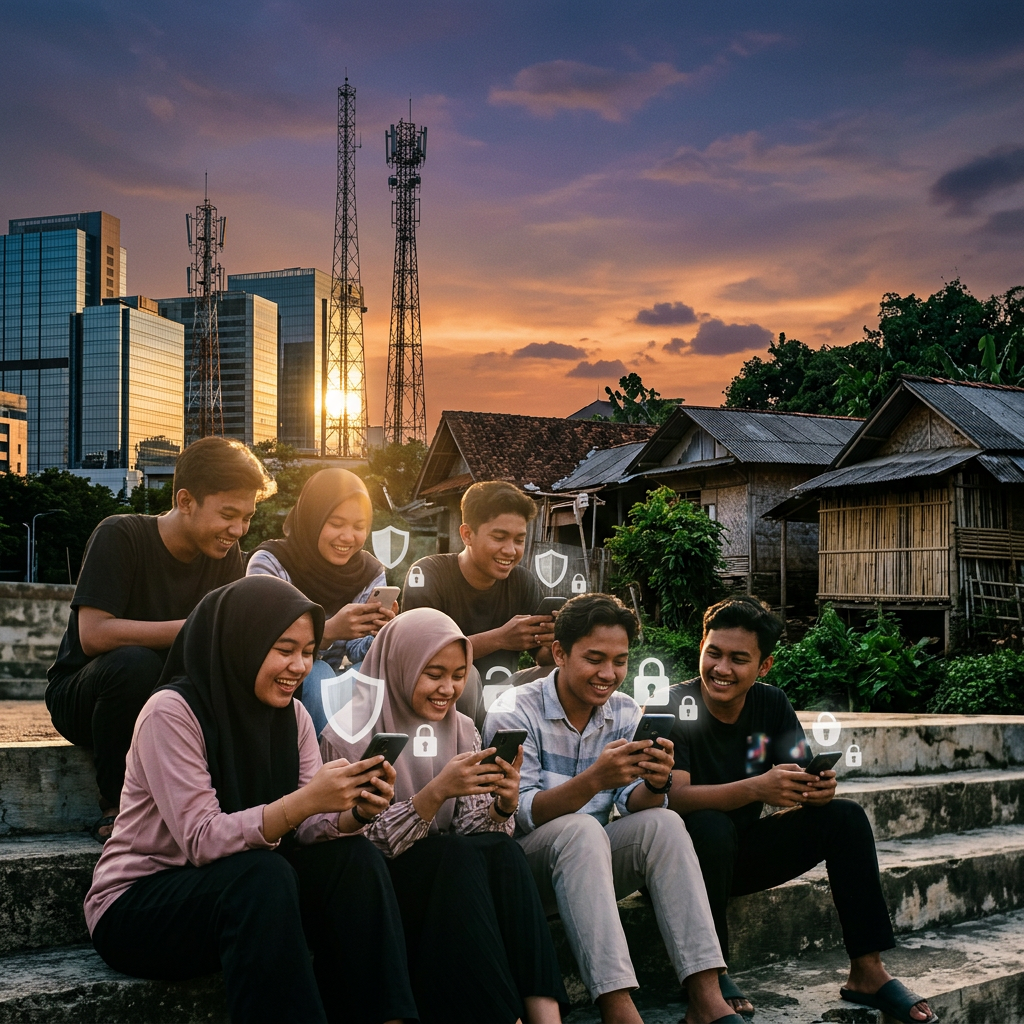
Indonesia's recent policy restricting social media access for individuals under 16 years old reflects a growing concern over the safety and mental health of the youth. By limiting exposure to potentially harmful online content, the government aims to create a safer digital environment. However, the implications of this regulation extend beyond mere protection, revealing complex intersections of technology, governance, and societal norms.
What We Know
As of April 2026, the Indonesian government has implemented restrictions on social media platforms for users below the age of 16. This policy is officially designed to shield minors from online dangers such as cyberbullying, misinformation, and harmful content. According to government sources, such as the Ministry of Communication and Information Technology, this initiative aligns with a broader effort to ensure the safety and well-being of children in the digital age.
What's Being Claimed
Proponents of the restriction argue that it serves the dual purpose of protecting youth while fostering responsible online behavior. They assert that the absence of unrestricted access to social media will lead to healthier developmental outcomes, reduce the risks of radicalization, and bolster educational engagements by minimizing distractions. Critics of the policy, however, warn that it may impede the digital literacy development that young people need to navigate the increasingly digital world.
What's Missing
Despite the well-intentioned goals, significant conversations around internet access equity and digital rights are notably absent from the mainstream discourse surrounding this policy. The narrative largely overlooks how restricting access to social media could exacerbate the existing digital divide in Indonesia, potentially leaving lower-income families and rural communities even more disadvantaged. Furthermore, the policy fails to openly address how it will be enforced and what specific online behaviors will be targeted.
What's Actually Happening
Currently, the implementation of this policy appears to vary significantly by region, with urban areas witnessing stricter enforcement compared to rural locales, where access to technology and regulation are less uniform. The lack of a clear framework raises questions about how age verification will occur, and whether these measures will lead to a more significant educational outcome or merely act as a censorship tool. Additionally, the role of private companies in regulating user access based on age is still not clearly defined.
Why It Matters
This initiative not only raises concerns about youth exposure to harmful content but also prompts critical discussions about the balance between protection and freedom. As the world increasingly moves toward digital platforms for communication and education, policies like this may inadvertently alienate young people from important digital tools. The implications for social mobility and future economic opportunities cannot be overlooked, as these restrictions could hinder youth engagement with global digital economies.
Conclusion
While the intention behind Indonesia's restriction on social media for minors is undoubtedly to protect children, the broader consequences of this policy necessitate careful scrutiny. Policymakers must consider the unintended ramifications, including a potential deepening of the digital divide and the risks of stifling youth engagement in vital digital ecosystems. Achieving a balance between protection and inclusivity will be crucial in advancing both societal safety and empowering the next generation.
FAQ
Q: Why has Indonesia restricted social media access for minors?
A: The Indonesian government aims to protect children from online dangers such as cyberbullying and harmful content.
Q: What are the implications of this policy?
A: The restrictions may deepen the digital divide and hinder digital literacy development for youth.
Q: How will the government enforce these restrictions?
A: The enforcement mechanisms for these restrictions are not yet clearly defined and may vary widely by region.
Q: Are there concerns about censorship?
A: Yes, critics worry that the policy could act as a tool for censorship rather than effective protection.
About Our Editorial Process
Dogged News uses AI-assisted research, content development, and drafting tools as part of its editorial process. Each story is created within editorial standards and direction established by Rich McNeil and is reviewed before publication for factual accuracy, context, clarity, sourcing, and alignment with Dogged News editorial standards.
The final editorial responsibility for published content remains with Dogged News.
Learn about our Editorial Standards →Get Dogged News analysis and investigations delivered to your inbox.
Discussion (0)
0/2000 · Comments are reviewed before publishing.
Have an account? to comment with a verified identity.
No comments yet. Be the first to share your perspective.