

Executive Overreach or Survival? The Peril of Nationalizing the Energy Grid
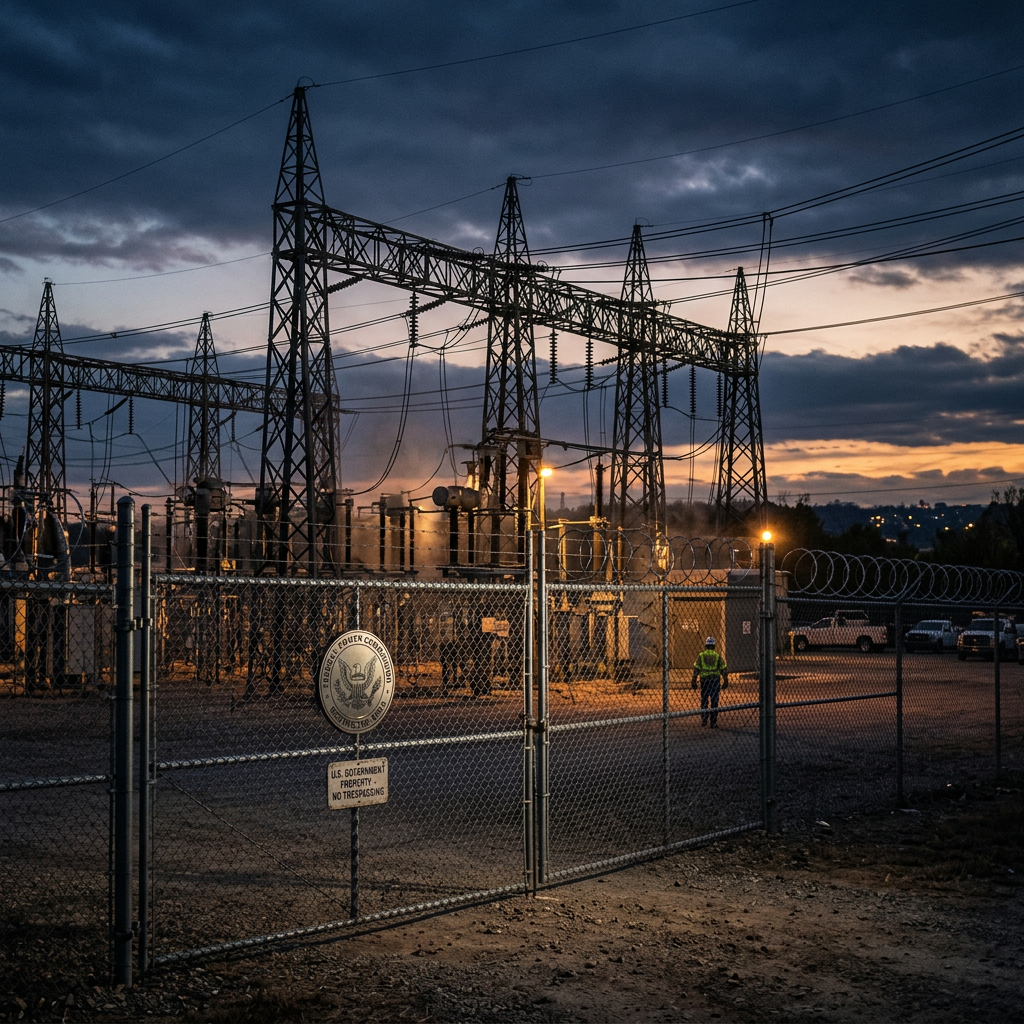
On April 10, 2026, President Donald J. Trump invoked the Defense Production Act (DPA) to federalize the management of the United States energy grid, following a series of devastating cyberattacks. This unprecedented move raises critical questions about the balance between national security imperatives and the risks of permanent federal intervention in private industry.
What We Know
The President's action leverages the DPA, a wartime statute granting the federal government authority to control industrial production for national defense purposes. Historically, the DPA has been used to expedite the production of essential materials and technologies during emergencies. The recent cyberattacks have exposed significant vulnerabilities in the nation's energy infrastructure, prompting the administration to take decisive action to safeguard critical assets.
What's Being Claimed
Proponents argue that federalizing the energy grid is a necessary step to protect national security and ensure the resilience of essential services. They contend that private utilities have failed to invest adequately in cybersecurity measures, despite receiving substantial subsidies. Critics, however, warn that such a move could set a precedent for government overreach, potentially leading to the permanent nationalization of key industries and undermining the principles of free enterprise.
What's Missing
While the administration has cited national security concerns as the primary justification for invoking the DPA, there is a lack of detailed information regarding the specific vulnerabilities exploited in the cyberattacks. Additionally, the long-term implications of federalizing the energy grid — including potential legal challenges and the impact on private sector innovation — have not been thoroughly addressed.
What's Actually Happening
The decision to federalize the energy grid appears to be driven by a combination of immediate security threats and a broader strategic vision for energy independence. The administration's emphasis on utilizing domestic coal resources aligns with its agenda to revitalize the coal industry and reduce reliance on foreign energy sources. However, this approach may overlook the need for a diversified and modern energy portfolio that includes renewable sources.
Why It Matters
The federalization of the energy grid has profound implications for the U.S. economy and its energy policy. It raises questions about the role of government in regulating and managing critical infrastructure and the potential consequences for private sector participation. Moreover, the move could influence global perceptions of the U.S. commitment to free market principles and its approach to international trade and investment.
Conclusion
While the immediate threat posed by cyberattacks on the energy grid necessitates a robust response, the decision to federalize management under the DPA warrants careful consideration. The administration must balance the imperative of national security with the potential long-term effects on private industry and the broader economy. A transparent and measured approach is essential to ensure that actions taken are both effective and aligned with democratic values.
FAQ
Q: What is the Defense Production Act?
A: The Defense Production Act is a U.S. federal law that grants the President authority to direct industrial production for national defense purposes during emergencies.
Q: Why did the President invoke the DPA to federalize the energy grid?
A: The President invoked the DPA in response to significant cyberattacks that exposed vulnerabilities in the nation's energy infrastructure, aiming to enhance national security and grid resilience.
Q: What are the potential legal challenges to this action?
A: Legal challenges may arise concerning the extent of executive authority under the DPA, the impact on private property rights, and the implications for free market operations.
Q: How might this affect private energy companies?
A: The federalization could lead to increased government oversight and regulation, potentially affecting operations, investments, and profitability of private energy companies.
Q: What are the broader implications for U.S. energy policy?
A: This move could signal a shift towards greater government involvement in energy management, influencing future policy decisions and the balance between public and private sector roles in the energy sector.
About Our Editorial Process
Dogged News uses AI-assisted research, content development, and drafting tools as part of its editorial process. Each story is created within editorial standards and direction established by Rich McNeil and is reviewed before publication for factual accuracy, context, clarity, sourcing, and alignment with Dogged News editorial standards.
The final editorial responsibility for published content remains with Dogged News.
Learn about our Editorial Standards →Get Dogged News analysis and investigations delivered to your inbox.
Discussion (0)
0/2000 · Comments are reviewed before publishing.
Have an account? to comment with a verified identity.
No comments yet. Be the first to share your perspective.