

When Leaders Turn Away: Ignoring the Humanitarian Crisis in Sudan
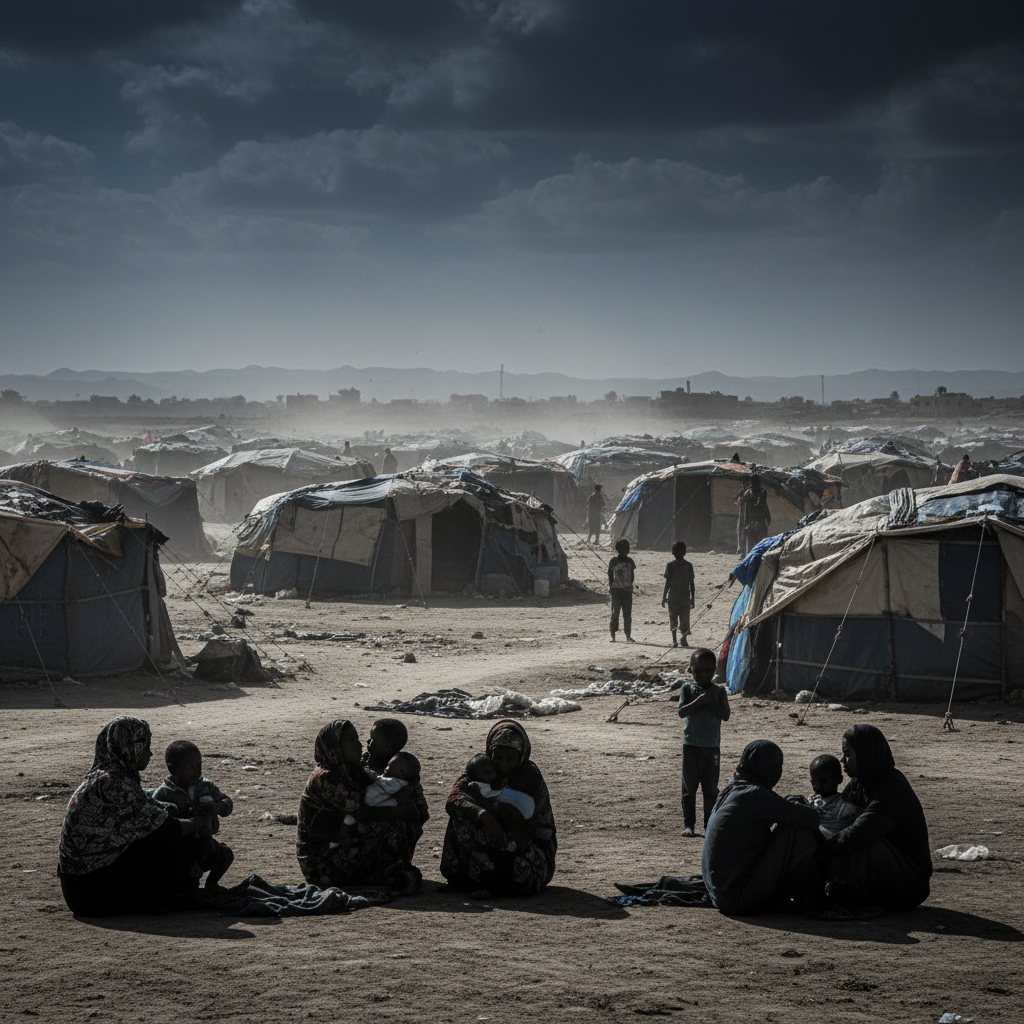
The unfolding humanitarian crisis in Sudan remains a stark emblem of global inaction and unilateral indifference. Despite escalating violence and widespread suffering, international powers have largely turned a blind eye, while media coverage fails to comprehensively convey the severity of the situation. This systemic neglect not only endangers the lives of countless Sudanese but also underscores a troubling trend: the erosion of international accountability.
What We Know
The situation in Sudan is a humanitarian catastrophe marked by escalating violence between the Sudanese Armed Forces and the Rapid Support Forces (RSF), leading to massive civilian displacement and dire shortages of food, water, and medical supplies. The United Nations reports that over four million people have fled their homes, while civilian casualties continue to rise. Despite repeated appeals from humanitarian organizations, the international response remains tepid and largely ineffective.
What's Being Claimed
International leaders routinely assert their commitment to peace and security but offer little concrete action in the face of Sudan’s crisis. Ostensibly, the primary narrative emphasizes diplomatic engagement and peace talks, ostensibly aimed at stabilizing the region. However, these declarations starkly contrast with the reality on the ground, where intermittent skirmishes and humanitarian blockades perpetuate the suffering of the Sudanese populace.
What's Missing
A glaring omission in these discussions is the tangible, on-the-ground support needed to alleviate immediate suffering. Beyond political rhetoric and obligatory condemnations, there is a lack of robust international pressure to enforce ceasefires or sanctions on those perpetuating violence. Media coverage often skims over these deficiencies, leaving the public with an incomplete understanding of Sudan’s plight.
What's Actually Happening
Beneath the veneer of diplomatic overtures, Sudan is embroiled in a power struggle that risks becoming a prolonged conflict. The vested interests of various international actors further complicate the situation, as strategic alliances often overshadow humanitarian imperatives. Amidst this geopolitical chess game, the Sudanese people endure unimaginable hardships, their cries for help muted by indifference and logistical hurdles hindering aid delivery.
The Sudan humanitarian crisis exposes a global moral failing, where rhetoric overpowers responsibility and strategic interests trump humanitarian needs.
Why It Matters
The failure to address the Sudan humanitarian crisis reveals broader systemic issues within the global framework of humanitarian intervention. Neglecting Sudan not only risks further destabilizing the region but also sets a perilous precedent for international response to similar crises globally. This inaction calls into question the international community's commitment to its self-proclaimed principles of human rights and justice.
Conclusion
As the humanitarian crisis in Sudan persists, the spotlight must shift to accountability. The global community, particularly influential international powers, must pivot from hollow declarations to substantive interventions. Only by recognizing and addressing the deeper incentives driving international inaction can we hope to translate diplomatic discourse into meaningful change for the Sudanese people.
FAQ
Q: What is the current situation in Sudan?
A: Sudan faces a severe humanitarian crisis with escalating violence between military factions, resulting in widespread civilian displacement and resource scarcity.
Q: How has the international community responded?
A: The response has been largely ineffectual, focused more on diplomatic rhetoric than action, resulting in limited relief for those affected.
Q: Why is media coverage lacking?
A: Media often fails to delve deeply into the complexities of the crisis, leaving critical aspects underreported and the public inadequately informed.
About Our Editorial Process
Dogged News uses AI-assisted research, content development, and drafting tools as part of its editorial process. Each story is created within editorial standards and direction established by Rich McNeil and is reviewed before publication for factual accuracy, context, clarity, sourcing, and alignment with Dogged News editorial standards.
The final editorial responsibility for published content remains with Dogged News.
Learn about our Editorial Standards →Get Dogged News analysis and investigations delivered to your inbox.
Discussion (0)
0/2000 · Comments are reviewed before publishing.
Have an account? to comment with a verified identity.
No comments yet. Be the first to share your perspective.