

The Taiwan Leverage: Decoding the Post-Summit Diplomatic Theater
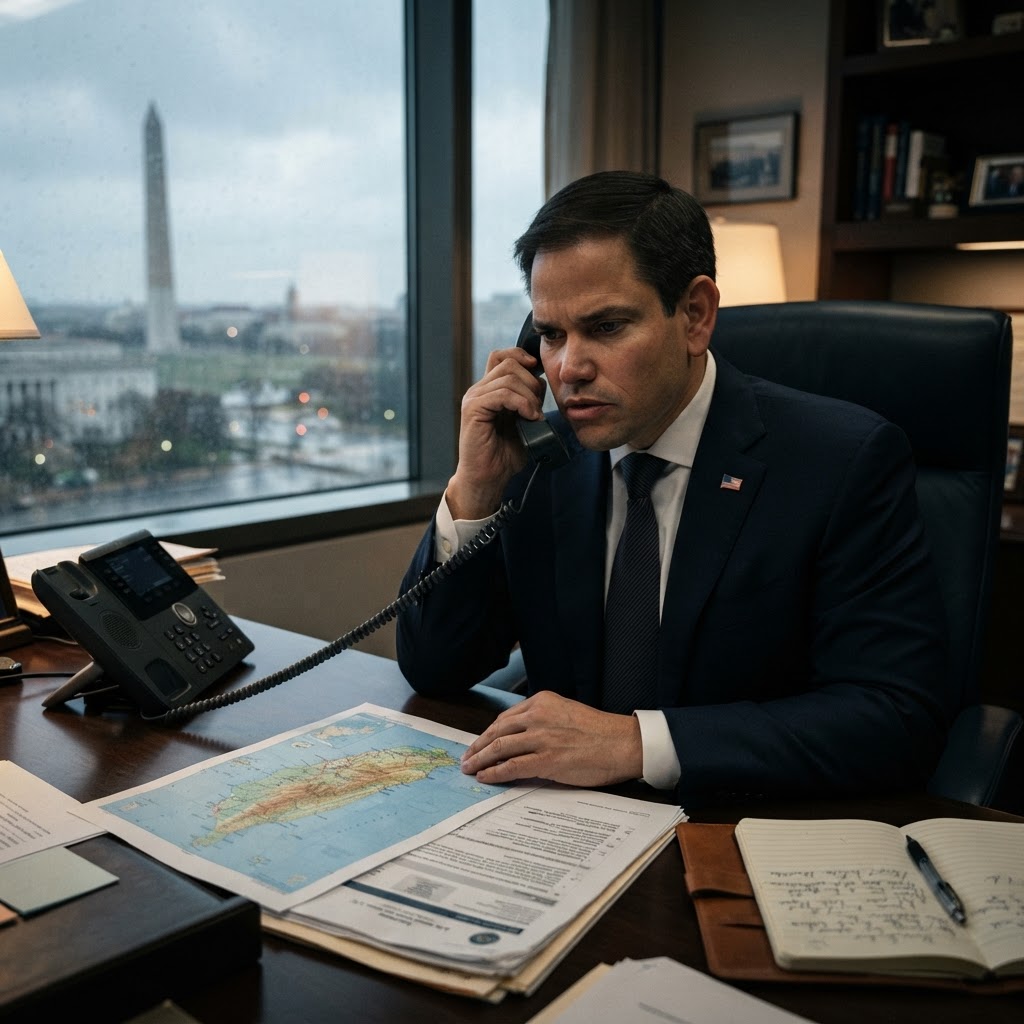
When major outlets reported on the June 30, 2026, phone call between Chinese Foreign Minister Wang Yi and US Secretary of State Marco Rubio, they framed the interaction as a high-stakes moment of friction. The approved story suggests that Beijing is proactively setting boundaries to prevent a catastrophic breakdown in relations. However, this narrative overlooks the tactical timing of the exchange. This call did not occur in a vacuum; it followed a significant mid-May summit in Beijing between Presidents Xi and Trump. By focusing on the rhetoric of 'utmost caution,' headline writers failed to analyze the silence of the US State Department, which notably declined to issue its own readout. This discrepancy suggests that the interaction was less of a spontaneous warning and more of a coordinated piece of diplomatic theater intended to satisfy domestic audiences while the machinery of power continues to negotiate the specifics of a $14 billion arms package. The legacy press accepted the Chinese Ministry of Foreign Affairs' (MFA) summary as the definitive record, failing to mention that such readouts are often crafted more for internal signaling than for accurate reporting of bilateral outcomes.
What We Know
By simply relaying the Chinese Ministry of Foreign Affairs' readout as a factual summary of a private call, the reporting devolved into stenography dressed as journalism.
Conclusion
This story is not about a sudden escalation or a fragile relationship on the brink of collapse. It is about the theater of managed tension. The call between Wang and Rubio serves as a necessary performance for the Chinese Communist Party to demonstrate strength following a summit on home soil, while the US remains silent to keep its options open regarding the multi-billion dollar arms deal. When the press pack repeats the language of 'warnings' without investigating the underlying incentives, they obscure the reality: the Taiwan issue is being utilized as a pressure point in a larger, transactional realignment between two global powers. The stability being discussed isn't a state of peace, but a predictable environment for high-level bartering.
FAQ
Q: What were the main outcomes of the mid-May summit between Presidents Xi and Trump in Beijing?
A: The summit served as an opportunity for both leaders to discuss shared interests and ongoing diplomatic negotiations, setting the stage for future strategic engagements, including the $14 billion arms package deal.
Q: Why did the US State Department remain silent following the call between Wang Yi and Marco Rubio?
A: The US's silence was likely a strategic choice to maintain diplomatic flexibility on the arms package negotiations and to avoid domestic and international scrutiny that might complicate ongoing talks.
Q: How does the Taiwan issue function as a pressure point in US-China relations?
A: Taiwan serves as a contentious geopolitical issue that both nations use as leverage during negotiations, illustrating broader dynamics of power and transactional diplomacy between the US and China.
Q: Why did the media's portrayal of the Wang-Rubio call as a 'high-stakes moment' miss the broader context?
A: Media emphasis on surface-level tension neglected to account for the theatrical aspect of diplomatic exchanges designed to appease domestic audiences and overshadow underlying strategic negotiations.
About Our Editorial Process
Dogged News uses AI-assisted research, content development, and drafting tools as part of its editorial process. Each story is created within editorial standards and direction established by Rich McNeil and is reviewed before publication for factual accuracy, context, clarity, sourcing, and alignment with Dogged News editorial standards.
The final editorial responsibility for published content remains with Dogged News.
Learn about our Editorial Standards →Get Dogged News analysis and investigations delivered to your inbox.
Discussion (0)
0/2000 · Comments are reviewed before publishing.
Have an account? to comment with a verified identity.
No comments yet. Be the first to share your perspective.