

Sustainability or Solvency: The Mathematical Collapse of Kenya’s HIV Response
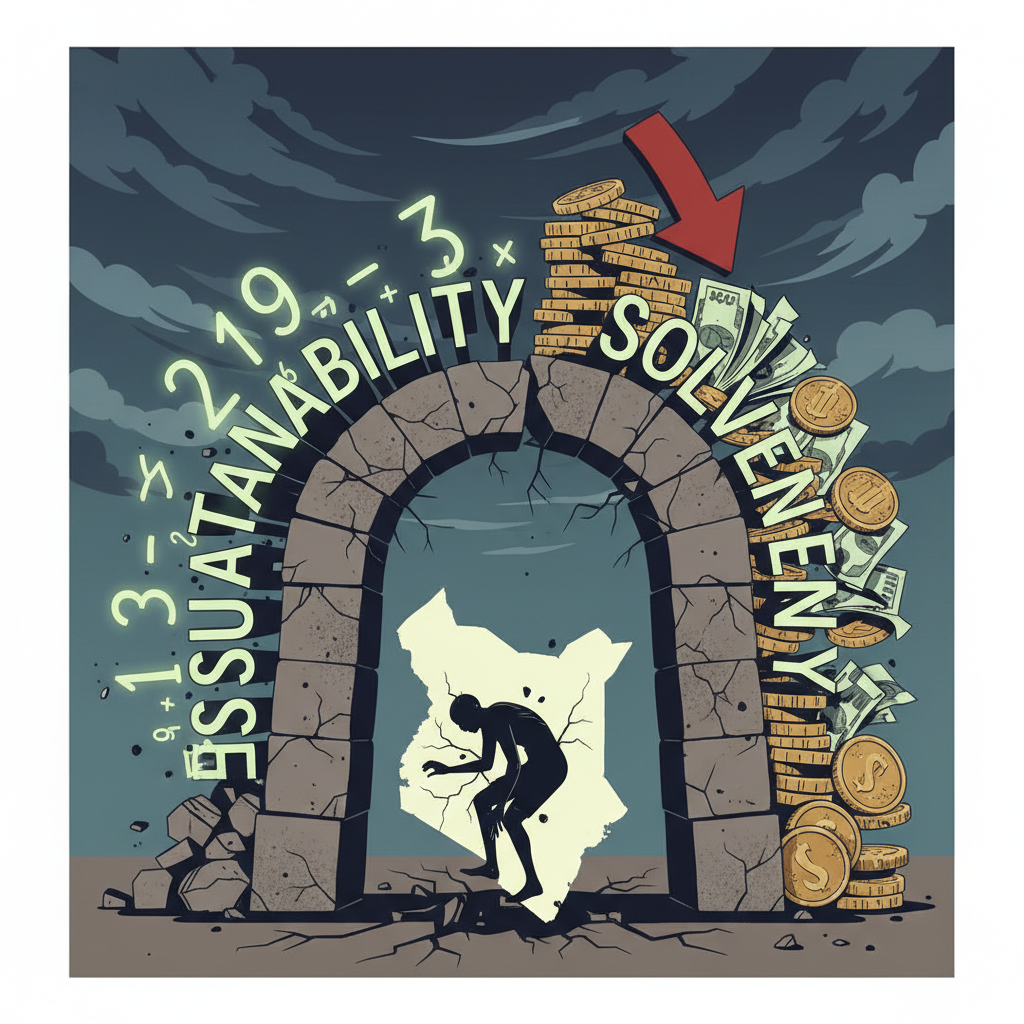
In mainstream reporting, the vocabulary of diplomacy often serves to obscure the brutality of the ledger. Recent coverage of the Kenyan HIV medication crisis provides a masterclass in this deference. The Guardian and other legacy outlets have framed the current bottleneck of life-saving antiretrovirals as a complex debate over ‘local sustainability’ and ‘host-country self-reliance.’ This is not reporting; it is the uncritical adoption of administrative branding.
When a funding stream is reduced from $260.9 million to $1.5 million over two years—a 99.4% reduction—calling it a ‘strategic shift’ is a fundamental failure of logic. At Dogged News, we do not treat mathematical abandonment as a policy nuance. The reality is that the U.S. has effectively terminated its support for the Kenyan health infrastructure, leaving an entire clinical supply chain without an engine, while legacy media outlets prioritize access to the bureaucrats who signed the orders over the data that proves the policy is unworkable.
What's Being Claimed
The primary omission in the current narrative is the logistical mechanics of ‘the last mile.’ Mainstream articles focus on the fact that drugs are in warehouses, implying a vague bureaucratic ‘bottleneck.’ What they fail to report is that for two decades, USAID funding didn’t just buy the pills; it paid for the diesel in the trucks, the salaries of the drivers, the maintenance of cold-chain refrigeration, and the digital inventory systems used by NGOs to track distribution. By cutting the budget by 99%, the U.S. didn’t just stop buying drugs; it vaporized the transport network. The drugs aren’t ‘stranded’ because of a lack of will; they are stranded because the literal keys to the trucks have been taken away.
FAQ
Q: Which specific agency is now responsible for the last-mile delivery?
A: The transition plan ostensibly hands responsibility to the Kenyan Medical Supplies Authority (KEMSA). However, KEMSA has been embroiled in multiple corruption scandals and is currently operating under a restricted budget. The original reports fail to mention that the Kenyan government did not increase its domestic health budget to compensate for the $258 million USAID gap. In fact, Kenya is currently facing a debt crisis, with the IMF pushing for austerity measures. Expecting a government under fiscal consolidation to suddenly absorb the operational costs of a quarter-billion-dollar health program is a mathematical impossibility.
Q: Are the drugs nearing their expiration dates, and who assumes the loss?
A: Antiretroviral medications have a shelf life, often between 12 and 24 months. Because these drugs are currently sitting in non-refrigerated or improperly managed warehouse conditions due to unpaid utility bills and staff shortages, their efficacy is degrading. Neither the U.S. administration nor the Kenyan Ministry of Health has clarified who bears the financial liability when hundreds of millions of dollars worth of inventory becomes toxic waste. The silence suggests that the loss will be quietly written off while patients are told the supply chain is ‘evolving.’
Q: Is this ‘bottleneck’ a form of diplomatic leverage?
A: There is a documented history of aid being used as a ‘stick’ in bilateral negotiations. Previous U.S.-Kenya deals have been contingent on data-sharing agreements and digital health surveillance integration. By allowing the drugs to sit in warehouses rather than authorizing emergency distribution funds, the U.S. maintains a position of extreme leverage over the Kenyan Ministry of Health. This is not a failure of logistics; it is a choice of posture.
Conclusion
The crisis in Kenya is being marketed as a noble experiment in decolonizing aid and fostering ‘self-reliance.’ However, self-reliance requires a bridge, not a cliff. When you remove 99% of the funding for a vital service without a verified, funded, and operational successor, you are not ‘encouraging sustainability’; you are withdrawing from a humanitarian commitment under the cover of corporate jargon. Legacy media’s refusal to call this a termination of services is a symptom of access journalism, where maintaining relationships with sources at USAID or the State Department is prioritized over an objective analysis of the fiscal and human reality. The result is a public that understands the ‘strategy’ but is left completely blind to the impending body count.
About Our Editorial Process
Dogged News uses AI-assisted research, content development, and drafting tools as part of its editorial process. Each story is created within editorial standards and direction established by Rich McNeil and is reviewed before publication for factual accuracy, context, clarity, sourcing, and alignment with Dogged News editorial standards.
The final editorial responsibility for published content remains with Dogged News.
Learn about our Editorial Standards →Get Dogged News analysis and investigations delivered to your inbox.
Discussion (0)
0/2000 · Comments are reviewed before publishing.
Have an account? to comment with a verified identity.
No comments yet. Be the first to share your perspective.