

Mineral Mercenaries: The Green Transition's Neocolonial Footprint
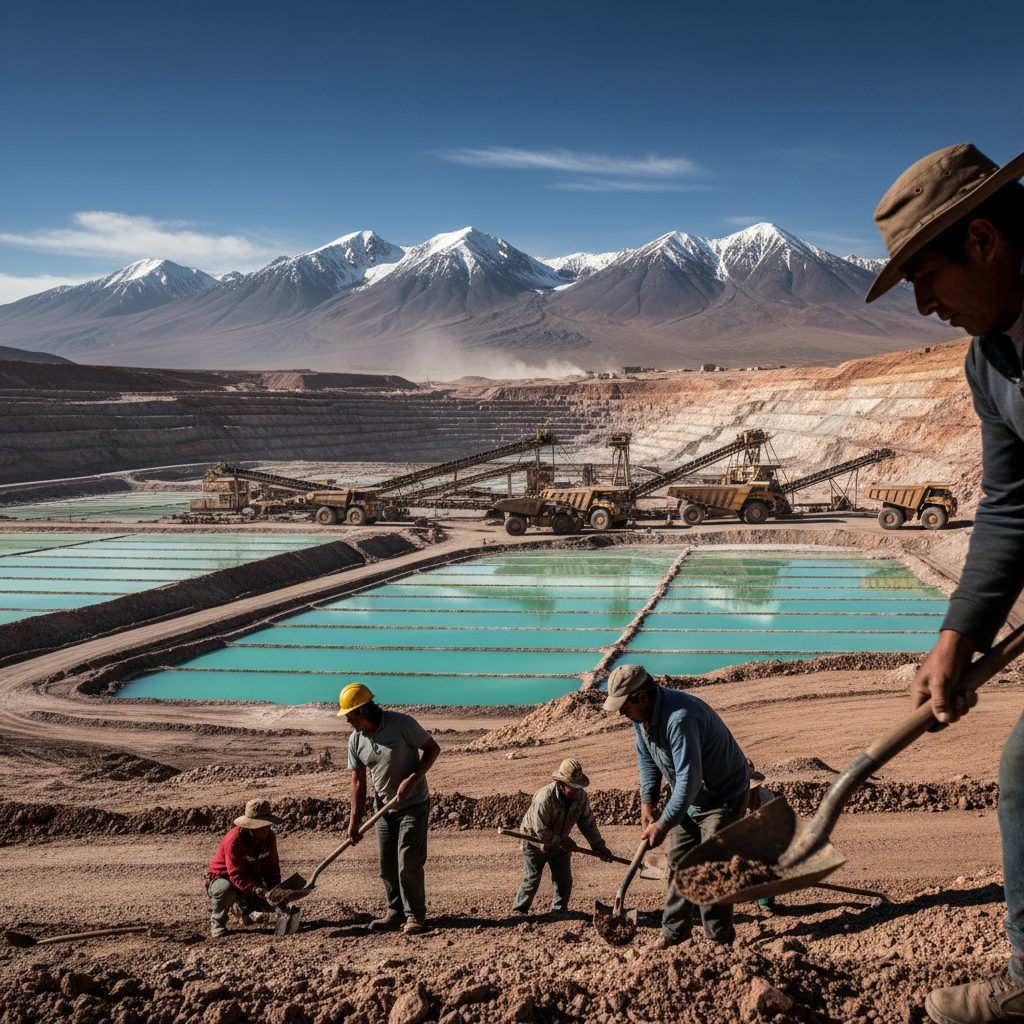
The global shift towards renewable energy is heralded as a solution to climate change, yet it mirrors the exploitative patterns of the colonial era. The extraction of minerals essential for green technologies is increasingly dominated by Western corporations, raising questions about sovereignty and equity in resource-rich developing nations.
What We Know
Recent developments indicate that a consortium of Western tech firms has secured exclusive 50-year mining rights for lithium and cobalt in the Lithium Triangle, a region encompassing parts of Argentina, Bolivia, and Chile. These minerals are critical for manufacturing batteries used in electric vehicles and renewable energy storage. The agreements grant these companies unprecedented control over local resources, potentially sidelining national interests and local communities.
What's Being Claimed
Proponents argue that such investments are vital for accelerating the green transition, providing the necessary resources to meet global energy demands sustainably. They contend that these partnerships will lead to technological advancements and economic growth in the host countries. However, critics assert that this arrangement perpetuates a form of neocolonialism, where developing nations remain dependent on foreign entities for their natural resources, echoing historical patterns of exploitation. They highlight concerns over environmental degradation, displacement of indigenous populations, and the erosion of national sovereignty.
What's Missing
While the agreements are publicly known, detailed information about the terms, financial arrangements, and the extent of local community consultation remains scarce. There is a lack of transparency regarding the environmental impact assessments conducted and the measures in place to mitigate potential ecological damage. Additionally, the long-term implications for local economies and governance structures are not fully understood, leaving gaps in the discourse surrounding these developments.
What's Actually Happening
The drive for green technologies has intensified the demand for minerals like lithium and cobalt, leading to a surge in mining activities in the Global South. Western corporations, equipped with advanced technology and capital, are entering these markets, often negotiating favorable terms with host governments eager for economic development. This dynamic reflects a broader trend where economic imperatives overshadow environmental and social considerations, resulting in the commodification of nature and the subjugation of local communities. The historical context of extractivism, deeply intertwined with colonialism, persists in these modern arrangements, raising questions about the true beneficiaries of the green transition.
Why It Matters
The current trajectory of the green transition risks replicating the exploitative practices of the past, undermining the very principles of sustainability and equity it purports to uphold. By prioritizing resource extraction over environmental stewardship and social justice, there is a danger of perpetuating a cycle of dependency and inequality. The long-term health of the planet and the well-being of its inhabitants depend on a transition that is genuinely green, just, and inclusive, ensuring that the benefits of renewable energy are equitably distributed and that the costs do not disproportionately burden the Global South.
Conclusion
The green transition must not become a guise for neocolonial exploitation. It is imperative to critically examine the power dynamics and incentives driving resource extraction in developing nations. A truly sustainable and equitable future requires a reimagined approach that respects national sovereignty, honors indigenous rights, and prioritizes environmental integrity over corporate profit.
FAQ
Q: What is the Lithium Triangle?
A: The Lithium Triangle refers to a region in South America, encompassing parts of Argentina, Bolivia, and Chile, known for its vast lithium reserves, a key component in electric vehicle batteries and renewable energy storage.
Q: How do Western tech firms benefit from mining in the Lithium Triangle?
A: By securing long-term mining rights, these companies gain access to essential minerals needed for their products, ensuring a stable supply chain and potentially reducing production costs.
Q: What are the environmental concerns associated with mining in this region?
A: Mining activities can lead to water contamination, habitat destruction, and increased greenhouse gas emissions, posing significant risks to local ecosystems and communities.
Q: How does this situation relate to neocolonialism?
A: Neocolonialism involves indirect control over a country, often through economic means. In this context, the dominance of Western corporations in resource extraction perpetuates a form of economic imperialism, where developing nations remain dependent on foreign entities for their natural resources.
Q: What steps can be taken to ensure a just green transition?
A: A just green transition requires transparent agreements, respect for indigenous rights, environmental protection measures, and policies that promote local economic development without exploitation.
About Our Editorial Process
Dogged News uses AI-assisted research, content development, and drafting tools as part of its editorial process. Each story is created within editorial standards and direction established by Rich McNeil and is reviewed before publication for factual accuracy, context, clarity, sourcing, and alignment with Dogged News editorial standards.
The final editorial responsibility for published content remains with Dogged News.
Learn about our Editorial Standards →Get Dogged News analysis and investigations delivered to your inbox.
Discussion (0)
0/2000 · Comments are reviewed before publishing.
Have an account? to comment with a verified identity.
No comments yet. Be the first to share your perspective.