

Kinetic Diplomacy: The Dangerous Gap Between U.S. Strikes and 'Peace' Rhetoric
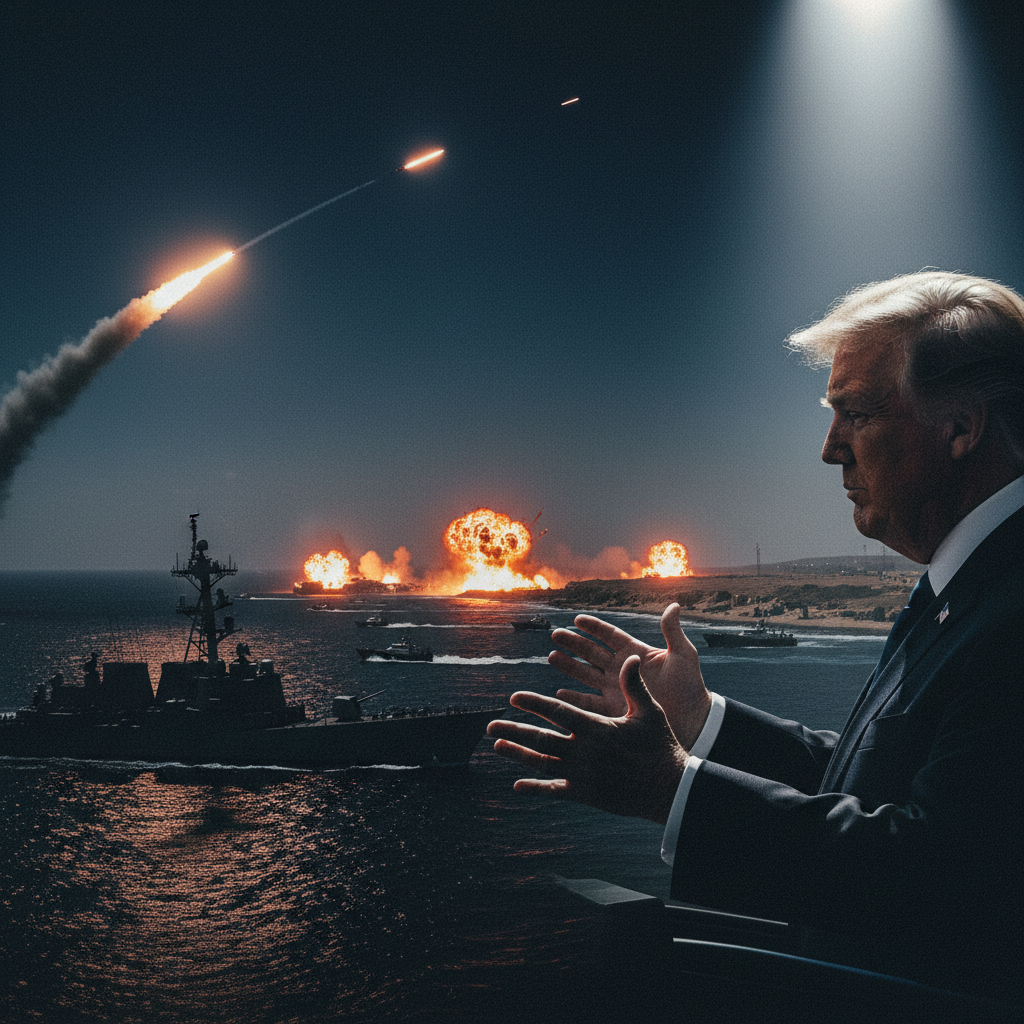
In the early hours of May 26, 2026, U.S. Central Command executed what it termed 'self-defence' strikes against missile sites and naval assets in southern Iran. The establishment press, led by Reuters, immediately adopted the military’s own framing: 'self-defence.' This is not reporting; it is stenography. By placing the term in quotes but failing to interrogate its validity, mainstream outlets provide a veneer of objectivity while essentially laundering a military press release into an undisputed fact. The reality is that an unprovoked strike on a sovereign nation’s soil is an act of war, regardless of the legal labels applied by the aggressor.
What We Know
Mainstream coverage of this escalation has been characterized by a refusal to bridge the gap between kinetic military action and the executive branch's diplomatic posturing. Reuters and its contemporaries focused heavily on President Trump’s social media assertions that peace negotiations were 'proceeding nicely.' This focus on the President’s 'optimistic' rhetoric serves to sanitize the violence occurring on the ground. It suggests a coordinated strategy of 'Kinetic Diplomacy' where the administration uses force to create leverage while maintaining a public-facing image of peacemaking.
Furthermore, the press has largely ignored the absence of Iranian perspectives or independent humanitarian assessments. By relying exclusively on U.S. Central Command and presidential social media posts, the media has allowed the U.S. government to maintain a total monopoly on the information environment. This is access journalism at its most derelict: reporting what the powerful say without investigating what they are actually doing.
Conclusion
"The reliance on official social media posts and military press releases suggests a refusal to challenge the validity of the administration's claims, effectively laundering official government narratives into objective news."
The danger of current reporting trends is the creation of a 'reality-rhetoric' gap. When the U.S. government can conduct military operations while simultaneously claiming to be the primary actor for peace, and the press refuses to point out the contradiction, the public is left with a distorted view of global stability. This story isn't just about strikes in Iran; it's about the failure of the media to act as a check on state power. What this story actually means is that 'peace' has become a marketing term used to mask a policy of calculated escalation. Until the press demands evidence over assertions, the truth will remain a casualty of the news cycle.
FAQ
Q: What is meant by 'Kinetic Diplomacy' in the context of this article?
A: 'Kinetic Diplomacy' refers to the use of military force as a means of creating leverage in diplomatic negotiations while projecting an image of pursuing peace, often without acknowledging the underlying aggression.
Q: Why does the article accuse mainstream media of failing in their reporting on U.S. strikes in Iran?
A: The article criticizes mainstream media for adopting the framing used by the U.S. military without questioning its accuracy and for omitting perspectives from Iran or independent humanitarian assessments, thereby allowing the U.S. government to control the narrative.
Q: How does the article describe the role of social media posts in shaping public perception of U.S. actions in Iran?
A: The article suggests that reliance on official social media posts allows the U.S. government to promote its version of events unchallenged, contributing to a misleading portrayal of its military actions as aligned with peace efforts.
Q: What are the implications of a 'reality-rhetoric' gap in media reporting?
A: A 'reality-rhetoric' gap results in a distorted public perception of global stability, as media reports emphasize government narratives over actual events, thus failing to hold power accountable and obscuring the true nature of international conflicts.
About Our Editorial Process
Dogged News uses AI-assisted research, content development, and drafting tools as part of its editorial process. Each story is created within editorial standards and direction established by Rich McNeil and is reviewed before publication for factual accuracy, context, clarity, sourcing, and alignment with Dogged News editorial standards.
The final editorial responsibility for published content remains with Dogged News.
Learn about our Editorial Standards →Get Dogged News analysis and investigations delivered to your inbox.
Discussion (0)
0/2000 · Comments are reviewed before publishing.
Have an account? to comment with a verified identity.
No comments yet. Be the first to share your perspective.