

Hungary's Political Shift: A Possible Departure from Orbán Era
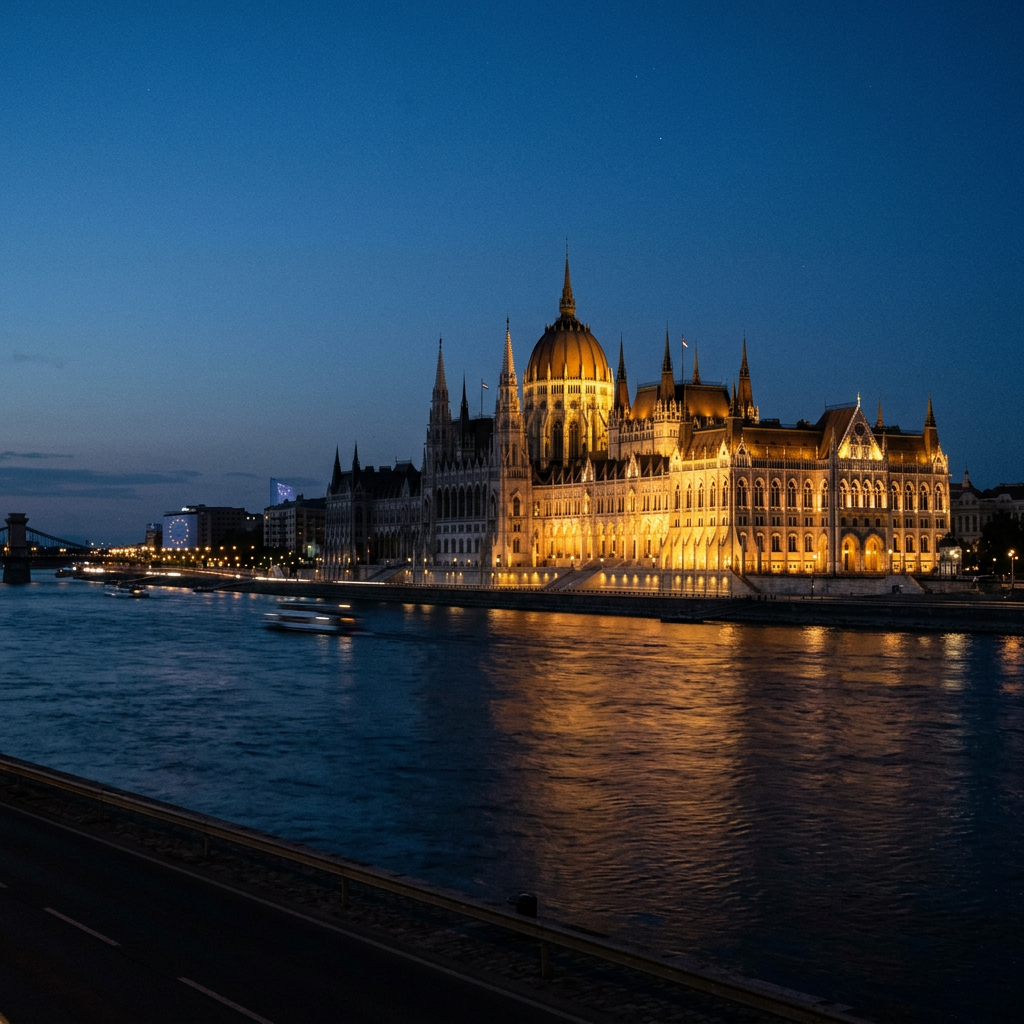
As Hungarians usher in new leadership, questions loom over whether this marks the end of Prime Minister Viktor Orbán's era. After a lengthy tenure characterized by nationalist policies and an often contentious relationship with the EU, the country stands at a political crossroads. This shift could bring significant changes to Hungary's domestic and international strategies, influencing its position within Europe.
What We Know
The recent elections in Hungary saw the rise of a new leader following a campaign centered on change and reform. Resulting in a departure from Viktor Orbán's long-standing governance, this electoral outcome suggests a potential shift in the political landscape. Orbán, known for his conservative nationalist agenda, has dominated Hungarian politics for over a decade, leaving an indelible mark on the nation’s governance and its external relations, particularly with the European Union.
What's Being Claimed
Various claims posit that the new leadership pledges to restore democratic norms and improve relations with the European Union. Sources close to the new administration assert a commitment to policies that contrast with Orbán's, indicating a return to more liberal and open approaches both domestically and abroad. Supporters argue this shift could help alleviate tensions with Brussels and foster better international cooperation.
What's Missing
Critical details regarding the new leader’s actual policy agenda remain unclear. While campaign rhetoric focused on change, the specifics of how these changes will be implemented are yet to be outlined comprehensively. Additionally, Orbán's political allies and the existing power structures he established may pose significant hurdles for any substantial transformation.
What's Actually Happening
Beneath the surface, Hungary's potential political transformation involves more than replacing a single figurehead. Structural changes within the government and shifts in policy direction are necessary to move away from Orbán's legacy. Early analyses suggest a complex interplay of sustaining core elements of Orbán’s policies while selectively introducing targeted reforms, especially in areas like judicial independence and media freedom.
Why It Matters
The implications of Hungary’s political shift extend beyond its borders, carrying potential repercussions across the European Union. If Hungary moves towards greater democratic openness and alignment with EU norms, it could ease existing tensions within the bloc and set a precedent for similar transformations in neighboring countries with rising nationalist movements. Conversely, setbacks in enacting promised changes could further polarize the political climate in Europe.
Conclusion
Hungary's political future remains uncertain as it navigates this transitional period. While the election results signify a possible departure from the Orbán era, the path forward is fraught with challenges. Long-term success will depend on both domestic resilience in pursuing reform and effective diplomacy in reconciling with European partners. The coming months will be crucial in determining whether this shift translates into substantive change or evolves into another form of status quo governance.
FAQ
Q: Why is there global interest in Hungary's political shift?
A: Hungary's political dynamics significantly impact European Union cohesion and the broader narrative around nationalism in Europe, making this potential shift highly consequential.
Q: How has Viktor Orbán influenced Hungary's current political state?
A: Viktor Orbán's tenure focused on nationalist policies and often contentious EU relations, deeply embedding his political ideology in Hungary's governmental structures.
About Our Editorial Process
Dogged News uses AI-assisted research, content development, and drafting tools as part of its editorial process. Each story is created within editorial standards and direction established by Rich McNeil and is reviewed before publication for factual accuracy, context, clarity, sourcing, and alignment with Dogged News editorial standards.
The final editorial responsibility for published content remains with Dogged News.
Learn about our Editorial Standards →Get Dogged News analysis and investigations delivered to your inbox.
Discussion (0)
0/2000 · Comments are reviewed before publishing.
Have an account? to comment with a verified identity.
No comments yet. Be the first to share your perspective.