

The Biometric Voting Act Backfire: How Digital State IDs Are Disenfranchising Millions
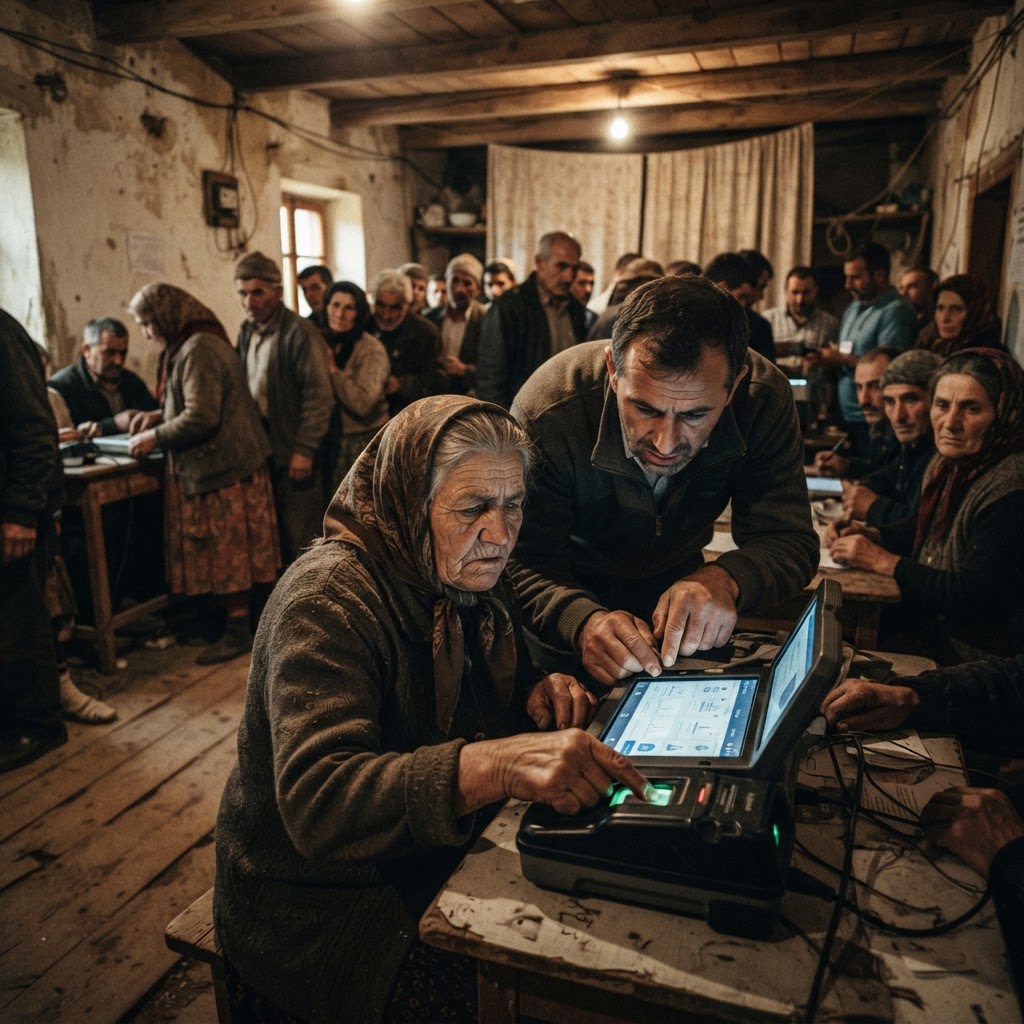
The Biometric Voting Act was supposed to be a step forward in electoral security and efficiency. But instead of creating a foolproof voter registration system, it's inadvertently sidelining those it's meant to serve. What happens when legislation misses its mark? Millions become disenfranchised, their voting rights caught in a web of bureaucratic missteps.
What We Know
Passed with the assertion of increasing election integrity, the Biometric Voting Act mandates the use of digital state IDs to verify voter identities. Proponents promised heightened security measures, ostensibly reducing fraud risks. These state-of-the-art IDs require biometric data—like fingerprints or facial recognition—to ensure the person voting is indeed who they claim to be.
In theory, this sounds secure. The system tracks and cross-references voter information with ease, streamlining the voter roll call. But real-world execution? A different story.
What's Being Claimed
Supporters argue that the Biometric Voting Act is a leap towards a more secure democratic process. According to the “official line”, centralizing voter data reduces discrepancies and enhances the accuracy of voter lists. They say it's a vital tool in protecting against malpractices.
“Biometric IDs will ensure every vote counts, eliminating fraud,” supporters assert.
But amid these promises, echoes of doubt resonate. Is this truly about security, or is it just “the curated version”?
What's Missing
The discrepancies between the promised benefits and the unintended outcomes are glaring. What isn’t being discussed is the impact on rural and independent voters. These areas often suffer from inadequate technological infrastructures, leading to system failures during critical voting times—an unintended algorithmic gerrymander.
Moreover, there's another elephant in the room: privacy concerns. under the guise of ‘security audits’, biometric data is being shared with private data brokers. Loopholes in the legislation effectively sell voter information, shattering any illusion of privacy.
What's Actually Happening
The digital state IDs are proving to be more of a hurdle than a benefit for many. System outages occur at an alarming rate, leaving voters stranded and unable to fulfill their civic duty. In states where technology isn't as robust, rural precincts bear the brunt of these lapses, affecting independent voters disproportionately.
These failures aren’t mere technical glitches—they're systemic oversights that paint a clear picture: the Act prioritizes centralization over accessibility, control over genuine reform. It’s a classic case of “those with leverage” exercising control.
Why It Matters
Entrusting electoral integrity to a flawed system puts democracy at risk. When voting technology becomes a barrier rather than a facilitator, the foundational principle of equal representation is compromised.
Imagine withholding the right to vote because of a server malfunction—an unacceptable reality for many.
The consolidation of voter data might be convenient for “the political class”, but it strips power from those it purports to serve. As for the biometric data resale? A troubling testament to corporate interests superseding public rights.
Conclusion
The Biometric Voting Act, in its current form, is more a digital divide than a bridge to electoral advancement. It's not just a technological hurdle; it’s symptomatic of broader systemic issues where individual rights are compromised for centralized gains. For democracy to thrive, solutions must serve the people, not just the “governing consensus”.
FAQ
Q: What are the main criticisms of the Biometric Voting Act?
A: Critics argue that it disenfranchises rural and independent voters due to inadequate technological infrastructure and system failures. Additionally, there are significant privacy concerns regarding the sharing of biometric data with private brokers.
Q: How do supporters of the Biometric Voting Act justify its implementation?
A: Supporters claim the Act enhances election security by utilizing biometric data to verify voter identities, thus reducing fraud and discrepancies in voter lists.
Q: Why is the Act described as creating an 'unintended algorithmic gerrymander'?
A: The Act disproportionately affects rural areas with poor technological infrastructures, often leading to system failures that prevent these voters from casting their ballots, skewing political representation.
Q: What potential risks does biometric data sharing pose to voters?
A: Sharing biometric data with private brokers raises significant privacy concerns, as it could lead to unauthorized tracking, profiling, and exploitation of sensitive personal information.
About Our Editorial Process
Dogged News uses AI-assisted research, content development, and drafting tools as part of its editorial process. Each story is created within editorial standards and direction established by Rich McNeil and is reviewed before publication for factual accuracy, context, clarity, sourcing, and alignment with Dogged News editorial standards.
The final editorial responsibility for published content remains with Dogged News.
Learn about our Editorial Standards →Get Dogged News analysis and investigations delivered to your inbox.
Discussion (3)
0/2000 · Comments are reviewed before publishing.
Have an account? to comment with a verified identity.
Does anyone know if the Biometric Voting Act includes any provisions for physical ID alternatives for those who physically cannot provide the required scan?
From what I've read in the text, it doesn't really have a clear waiver process. It just assumes everyone has a smartphone, which is a massive oversight.
It is frustrating how often these security mandates ignore the reality of rural internet connectivity and hardware costs.
Exactly, I live in a county where the nearest DMV is over an hour away. Requiring this specific biometric update to register just shuts out my elderly neighbors entirely.
I disagree that this is a total backfire. We have to modernize our identity verification at some point to prevent fraud, even if the implementation here has some early bugs.
Modernization is fine, David, but why prioritize facial recognition over more accessible paper-based audit trails that don't track our movements?