

**Europe's Strategic Shake-up: Turkey's Unexpected Pivot Towards Russia**
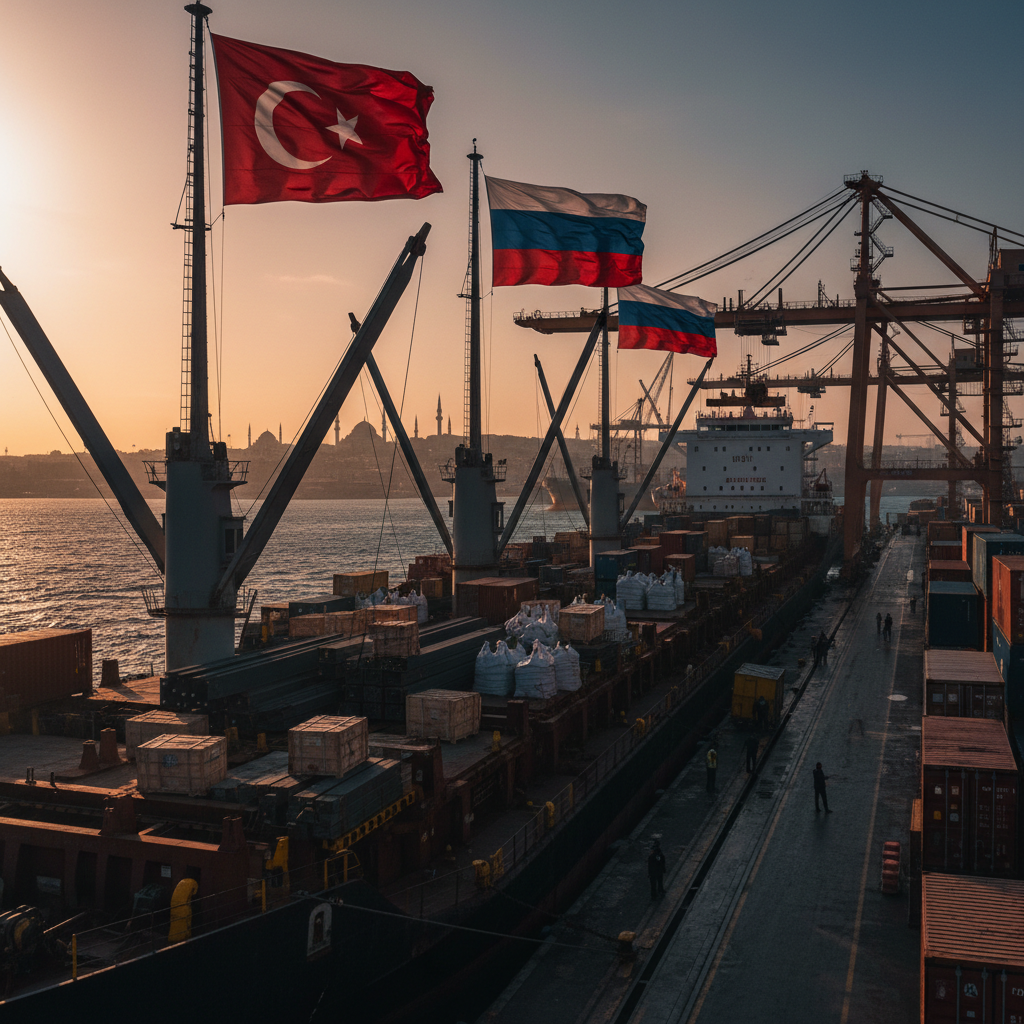
In a world where geopolitical landscapes are constantly evolving, Turkey's recent pivot towards closer ties with Russia is raising eyebrows across Europe and beyond. This move, marked by a comprehensive trade and defense agreement, suggests a significant realignment that could have profound implications for NATO cohesion. As Turkey, a longstanding NATO member, appears to embrace a more Russia-friendly stance, the strategic dynamics within and beyond NATO are thrust into an uncertain future.
What We Know
Turkey and Russia have recently signed a sweeping trade and defense agreement, signaling deeper collaboration between the two countries. This partnership encompasses several arenas, from military cooperation to economic exchanges. This development follows a series of diplomatic engagements and reciprocal state visits between Ankara and Moscow, highlighting a warming relationship that contrasts sharply with Turkey's current tensions with some Western allies.
What's Being Claimed
Critics and skeptics of the Turkey Russia agreement contend that this move undermines NATO unity and effectiveness. They argue that Turkey's collaboration with Russia, particularly in defense matters, could compromise sensitive intelligence shared within NATO and dilute the organization's collective security posture. Additionally, there are concerns about whether Ankara's increased reliance on Moscow could lead to policy shifts that favor Russian interests over those of the alliance.
What's Missing
While the agreement has sparked extensive commentary and speculation, what remains largely unexamined is the broader context of Turkey's regional aspirations and its historical balancing act between East and West. Also largely overlooked are the domestic political pressures and economic incentives driving Turkey's shift. As economic instability looms, Turkey might see Russia as a more flexible and understanding economic partner compared to the often stringent economic conditions imposed by Western institutions.
What's Actually Happening
Turkey's geopolitical shift towards Russia can be viewed as a pragmatic realignment rather than an outright abandonment of its NATO commitments. Ankara is likely attempting to diversify its alliances to enhance its strategic autonomy and bargaining power on the global stage. By fostering ties with Russia, Turkey seeks to play a pivotal role in Eurasian geopolitics, leveraging its unique geographic and cultural position as a bridge between Europe and Asia.
Why It Matters
This strategic repositioning could potentially disrupt the existing balance within NATO and alter power dynamics within Europe. As NATO grapples with these changes, the alliance's ability to present a unified front against common threats might be diminished. Moreover, Ankara's actions set a precedent that could encourage other member states to pursue similar independent strategies, thereby complicating collective decision-making processes within the organization.
Conclusion
Turkey's unexpected pivot towards Russia through this major agreement represents a significant shift in European geopolitics. While it poses challenges for NATO, it also illustrates Turkey's nuanced approach to its foreign policy, navigating complex alliances to serve its national interests. How this situation develops will profoundly impact not only NATO but also the broader geopolitical landscape in the years to come.
FAQ
Q: What areas does the Turkey Russia agreement cover?
A: The agreement includes cooperation in trade and defense, highlighting a significant deepening of bilateral relations amidst other economic and political collaborations.
Q: How might this agreement affect Turkey's position within NATO?
A: The agreement could strain Turkey's relations within NATO by raising concerns about security and allegiance, potentially affecting its role in the alliance.
Q: Why is Turkey seeking closer ties with Russia now?
A: Turkey is likely seeking to enhance its strategic autonomy and economic partnerships amid current financial challenges and regional pressures.
Q: What are the potential risks for Turkey in this new alignment?
A: The risks involve possible diplomatic isolation from Western allies, security tensions within NATO, and over-reliance on Russia, potentially limiting Ankara's diplomatic flexibility.
Q: Could this lead to other NATO countries pursuing independent strategies?
A: Yes, Turkey's actions might embolden other NATO members to reassess their alliances and pursue paths aligning more closely with their national interests.
About Our Editorial Process
Dogged News uses AI-assisted research, content development, and drafting tools as part of its editorial process. Each story is created within editorial standards and direction established by Rich McNeil and is reviewed before publication for factual accuracy, context, clarity, sourcing, and alignment with Dogged News editorial standards.
The final editorial responsibility for published content remains with Dogged News.
Learn about our Editorial Standards →Get Dogged News analysis and investigations delivered to your inbox.
Discussion (0)
0/2000 · Comments are reviewed before publishing.
Have an account? to comment with a verified identity.
No comments yet. Be the first to share your perspective.