

Beyond the Handshakes: The Transactional Reality of Xi’s Pyongyang Visit
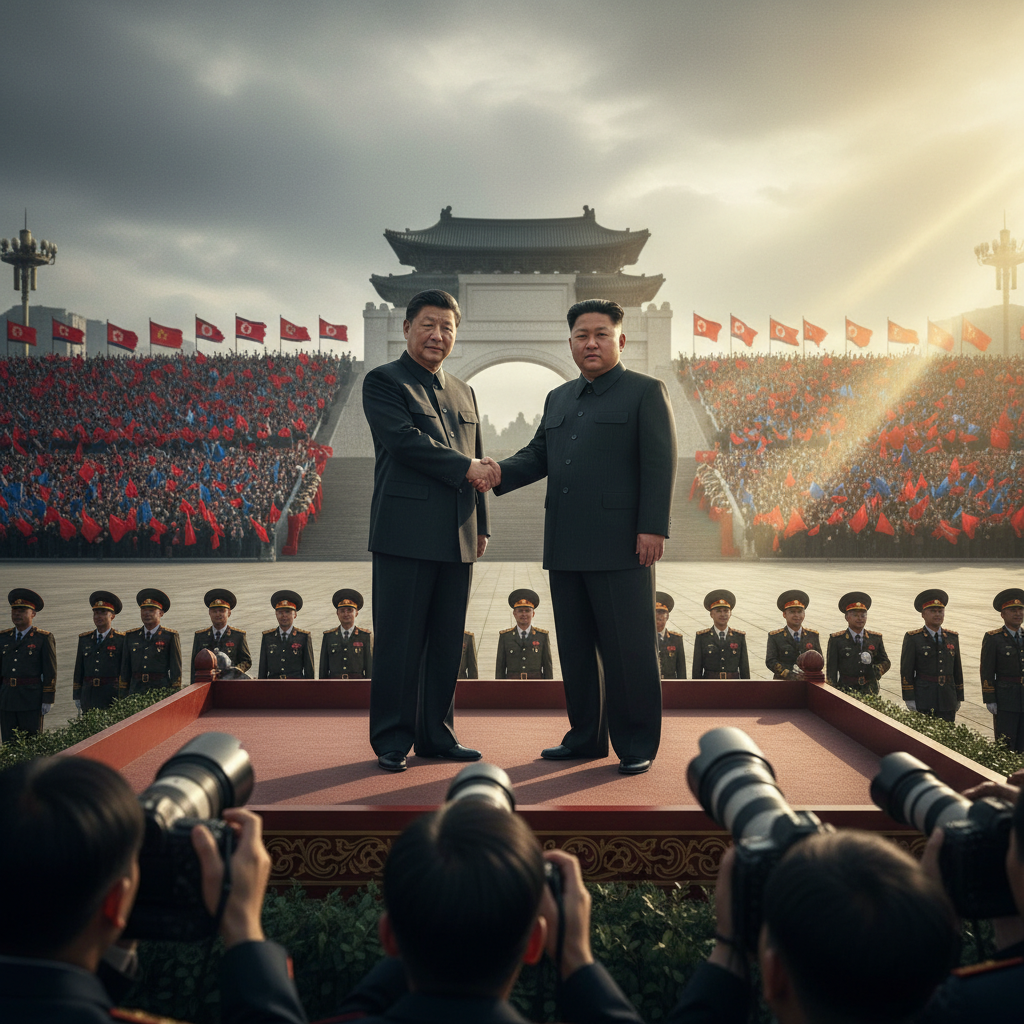
In the wake of Xi Jinping’s two-day state visit to Pyongyang, mainstream reporting has largely followed a pre-written script. Headlines from major wires like the Associated Press describe the event as an effort to ‘restore a traditional alliance,’ a phrase that sanitizes a complex, often adversarial history into a digestible narrative of communist solidarity. By adopting the official rhetoric of the Chinese Communist Party (CCP) and the North Korean state, the press has engaged in a form of access journalism—prioritizing the ‘what’ and ‘how’ of the ceremony while ignoring the ‘why’ of the underlying mechanics.
What We Know
What the establishment coverage failed to highlight was the glaring seven-year gap since Xi’s last visit. Allies do not wait nearly a decade to speak unless the relationship is fundamentally broken or deeply distrustful. The narrative that these two nations are a cohesive bloc forced together by American pressure is a convenient oversimplification. In reality, the Pyongyang meeting is a performative hedge—a transactional maneuver designed to create leverage against the second Trump administration's trade and tariff policies, rather than a genuine return to ideological brotherhood.
What's Being Claimed
State visits are rarely free. For Kim Jong Un, hosting the leader of the world’s second-largest economy is a high-value propaganda asset that signals to his domestic elite that the regime remains relevant. However, evidence suggests the price of admission included more than just a red carpet. Intelligence on border trade indicates a quiet increase in the flow of refined petroleum products and heavy machinery—items strictly regulated under international law. By framing the visit as a ‘diplomatic restoration,’ the media avoids investigating the material costs: the likely promise of increased fuel shipments and the possible loosening of restrictions on North Korean laborers within Chinese borders, both of which serve as a lifeline to Kim’s cash-strapped treasury.
China is a permanent member of the UN Security Council and has voted for multiple rounds of sanctions against Pyongyang. Yet, this high-profile visit serves as a de facto signal to the region’s black-market actors that the enforcement of those sanctions is now a secondary priority to ‘strategic stability.’ By focusing on the ‘traditional alliance,’ reporters fail to ask if Xi is using this visit to announce a ‘blind eye’ policy regarding ship-to-ship transfers in the Yellow Sea. If China provides North Korea with a sanctions-evasion corridor, it effectively nullifies the primary tool of international diplomacy used to curb Pyongyang’s nuclear ambitions.
The timing is not accidental. As Washington signals a return to aggressive trade protectionism and a ‘maximum pressure’ campaign on Chinese manufacturing, Beijing is looking for a counter-weight. By ‘restoring’ the relationship with North Korea, Xi is reminding Washington that China holds the keys to the most volatile security issue in the Pacific. This is not an alliance of affinity; it is a tactical deployment of North Korea as a geopolitical bargaining chip. The press’s focus on ‘confrontation with the US’ misses the nuance that China is likely using the threat of a re-armed or emboldened North Korea to force concessions in future trade negotiations with the United States.
While the cameras show smiling leaders, the reality on the ground is one of tension. China has spent the last three years fortifying its northern border with North Korea, installing sophisticated surveillance and physical barriers to prevent the flow of refugees and illegal trade that it doesn’t directly control. These frictions—ranging from the management of the Tumen River to the repatriation of North Korean workers—are being airbrushed out of the mainstream narrative. To report on a ‘restored alliance’ without mentioning the physical walls China is building against its ‘ally’ is a failure of investigative rigor.
Conclusion
The meeting between Xi Jinping and Kim Jong Un is not a return to the 1950s; it is a 21st-century transaction. Both leaders are operating from positions of strategic anxiety. Xi needs a regional distraction to offset economic pressure from the U.S., and Kim needs a patron to ensure his regime survives the ongoing sanctions regime. When the media parrots phrases like ‘traditional alliance,’ they are validating a state-sponsored fiction that obscures the mercenary nature of the relationship. The truth is that China and North Korea remain deeply suspicious of one another, but for two days in Pyongyang, they found it mutually beneficial to pretend otherwise. This visit was not about the past; it was a calibrated message to Washington that the cost of economic pressure on Beijing will be paid in North Korean instability.
FAQ
Q: Why did Xi Jinping visit North Korea after a seven-year gap?
A: The visit is seen as a tactical move to bolster China's leverage in trade negotiations with the U.S., rather than a genuine attempt to restore traditional alliances.
Q: How does the visit signal a shift in China's approach to UN sanctions on North Korea?
A: The visit indicates China may prioritize regional stability over strict enforcement of sanctions, possibly allowing certain trade activities to occur quietly.
Q: What are the potential economic implications of Xi's visit for North Korea?
A: North Korea could benefit from increased fuel shipments and relaxed restrictions on labor, providing critical economic support to its regime.
Q: What underlying frictions exist between China and North Korea despite the visit?
A: China has fortified its northern border with North Korea to manage refugee flows and illegal trade, highlighting ongoing distrust and control issues.
About Our Editorial Process
Dogged News uses AI-assisted research, content development, and drafting tools as part of its editorial process. Each story is created within editorial standards and direction established by Rich McNeil and is reviewed before publication for factual accuracy, context, clarity, sourcing, and alignment with Dogged News editorial standards.
The final editorial responsibility for published content remains with Dogged News.
Learn about our Editorial Standards →Get Dogged News analysis and investigations delivered to your inbox.
Discussion (0)
0/2000 · Comments are reviewed before publishing.
Have an account? to comment with a verified identity.
No comments yet. Be the first to share your perspective.