

Beyond 'Self-Defense': Deconstructing the U.S. Kinetic Strikes in Iran
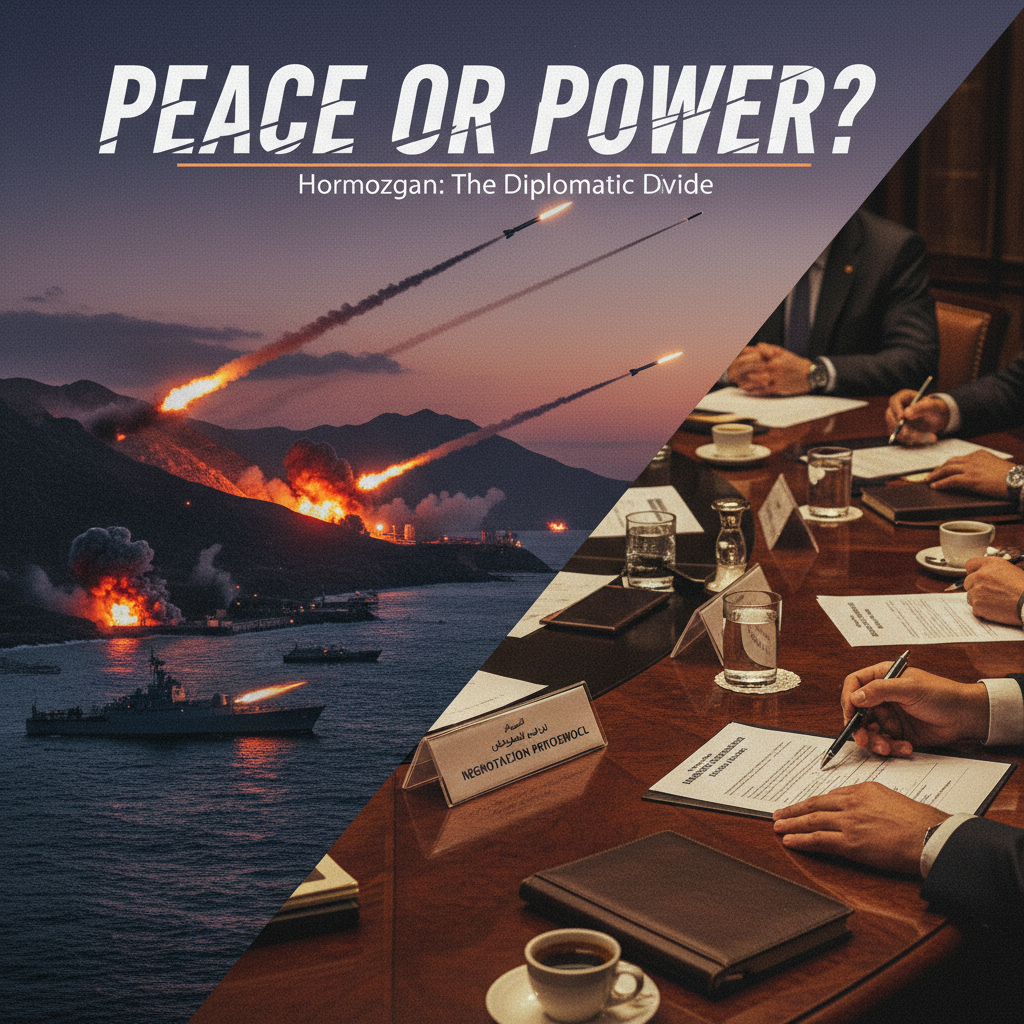
On May 27, 2026, the U.S. military conducted kinetic operations within the sovereign borders of Iran, specifically targeting missile batteries and naval vessels in the Hormozgan region. The standard reporting on this event, exemplified by recent Reuters coverage, followed a predictable pattern: it adopted the language of the U.S. Central Command (CENTCOM) without reservation, framing an offensive strike as an act of 'self-defense.' At Dogged News, we recognize that 'self-defense' is a legal and political claim, not an empirical description. By failing to scrutinize the timing, the lack of primary evidence, and the legal framework of the standing April ceasefire, mainstream outlets acted as stenographers for military interests rather than as watchdogs for the public.
What We Know
The primary failure of the establishment narrative was the omission of geopolitical context in favor of tactical immediacy. While reporters were quick to echo the 'threat to commercial shipping' line, they largely ignored the concurrent diplomatic negotiations taking place in Qatar. It is historically rare for major military actions to be purely reactive when high-level talks are in progress; typically, such strikes serve as 'Kinetic Diplomacy'—leverage intended to influence the bargaining table. Furthermore, the press failed to interrogate the legality of the strike under the terms of the April ceasefire. If a ceasefire is in place, the threshold for 'self-defense' requires a demonstration of an imminent attack that cannot be deterred by other means. To date, no such evidence—no radar tracks, no satellite imagery of fueled missiles, no intercepted communications—has been made public. By omitting this absence of proof, the press allows the government to define reality by fiat.
What's Being Claimed
The deference shown to CENTCOM is a symptom of 'access journalism,' where the desire to maintain a relationship with high-level sources prevents reporters from asking adversarial questions. When journalists lead with official justifications—using terms like 'citing threats' as a shield—they prioritize the military's internal logic over international law. This creates a vacuum where the geopolitical consequences, such as the 4% surge in global oil prices, are presented as an unfortunate side effect of 'instability' rather than a direct, predictable result of U.S. military choice. The market didn’t react to 'instability'; it reacted to a specific kinetic intervention.
What's Actually Happening
Stripping away the narrative, the facts are these: the U.S. chose to escalate militarily during a ceasefire and while diplomatic channels were open. This action suggests a policy of 'maximum pressure' remains the operational reality, regardless of what is said at the negotiating table. The immediate economic impact—the spike in oil prices—demonstrates that these strikes have a global tax, paid by consumers, to sustain a specific security posture. Understanding this story requires moving past the 'defense' versus 'provocation' binary and recognizing it as a calculated use of force designed to project power at a moment of diplomatic vulnerability. When the press fails to ask for evidence, it stops being a news organization and starts being a public relations arm for the state.
FAQ
Q: Why did the U.S. conduct kinetic strikes in Iran on May 27, 2026?
A: The U.S. military targeted missile batteries and naval vessels in the Hormozgan region, citing these actions as 'self-defense' to protect against perceived threats to commercial shipping.
Q: What is the criticism of how media reported the U.S. strikes in Iran?
A: Most media outlets were criticized for echoing the U.S. military's 'self-defense' narrative without scrutinizing the lack of evidence or considering the ongoing diplomatic negotiations in Qatar.
Q: What does the article suggest about the legality of the U.S. strikes?
A: The article questions the legality under the April ceasefire, arguing that there was no public evidence of an imminent threat that could not be deterred by other means.
Q: How did the kinetic strikes affect global markets?
A: The military action caused a 4% surge in global oil prices, reflecting a specific, predictable response to the U.S. interventions rather than general 'instability.'
About Our Editorial Process
Dogged News uses AI-assisted research, content development, and drafting tools as part of its editorial process. Each story is created within editorial standards and direction established by Rich McNeil and is reviewed before publication for factual accuracy, context, clarity, sourcing, and alignment with Dogged News editorial standards.
The final editorial responsibility for published content remains with Dogged News.
Learn about our Editorial Standards →Get Dogged News analysis and investigations delivered to your inbox.
Discussion (0)
0/2000 · Comments are reviewed before publishing.
Have an account? to comment with a verified identity.
No comments yet. Be the first to share your perspective.