

Algorithmic Policing: How Predictive Crime Software Is Reinventing Racial Profiling for the Digital Age
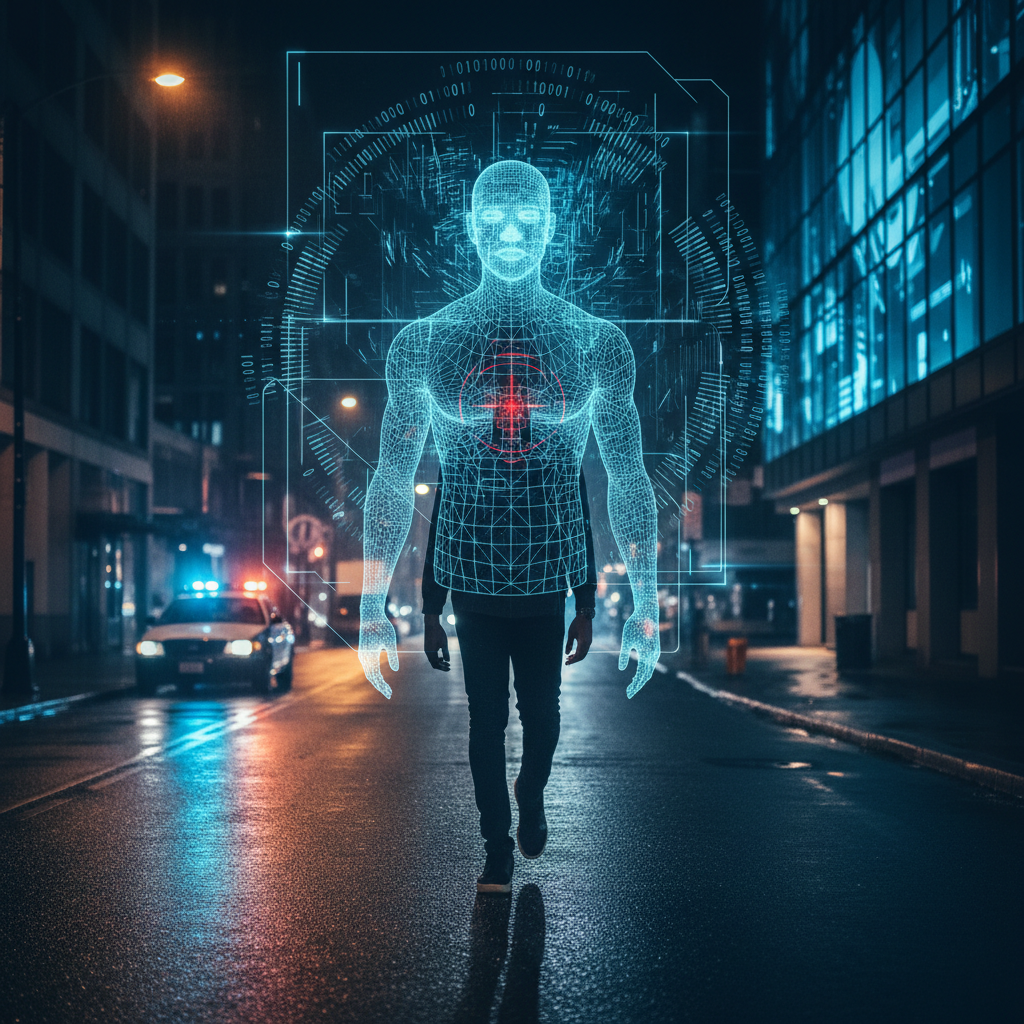
As technology advances, new questions emerge about how it reshapes our society. Nowhere is this more apparent than in law enforcement, where predictive policing seeks to harness data to anticipate crime. But behind the algorithms lies an uncomfortable truth: these tools may perpetuate, even amplify, racial disparities in policing. In the bid to outsmart crime through data, are we merely reinventing racial profiling for the digital age?
What We Know
Predictive policing utilizes advanced AI to forecast where crimes are likely to happen and who could potentially commit them, supposedly allowing law enforcement to allocate resources more effectively. Studies show that the use of algorithms in policing has gained traction, purported to offer a more 'objective' approach than traditional methods. However, exhaustive research, including a pivotal 2025 study by the National Institute of Justice, indicates significant racial bias in these systems. When historical crime data, often tainted by biased policing practices, feeds algorithms, they reinforce those biases.
What's Being Claimed
Proponents argue that predictive policing is a neutral tool, designed to remove human bias by focusing purely on data. They claim it increases efficiency, allows for preemptive action, and reduces crime by moving from reactive to proactive policing. Advocates highlight case studies where predictive policing reduced crime in some neighborhoods, suggesting efficiency transcends racial or social prejudices.
What's Missing
The problem lies in the data these algorithms digest. Crime statistics reflect not just criminal activity but also policing patterns. Historically over-policed communities, often Black and Hispanic, show higher recorded crime rates, not necessarily higher actual crime rates. The algorithms learn this 'truth' and perpetuate it, spewing out predictions that beg for more policing in minority neighborhoods while potentially ignoring unrecorded crimes elsewhere.
What's Actually Happening
In practice, predictive policing has had mixed and troubling results. Studies have highlighted how these systems disproportionately target minority communities, aligning police presence with historical bias rather than actual crime trends. In Los Angeles, the controversial LASER program was shut down after a state audit revealed its reliance on biased data leading to unduly harsh policing of minorities. Similar patterns have emerged from Chicago to London.
Why It Matters
If left unchallenged, algorithmic policing risks institutionalizing discriminatory practices, embedding them into supposedly neutral frameworks. As we move deeper into the digital age, reliance on fallible algorithms to inform decisions of justice poses ethical concerns. It could lead to community distrust, racial tensions, and a justice system that neglects its duty to be fair and impartial. This, in turn, erodes civil rights, cements systemic inequalities, and creates a paradox where technological progress traps us in a regressive social pattern.
Conclusion
Policymakers and technologists must scrutinize the narratives that surround predictive policing. The promise of a neutral, data-driven future in law enforcement confronts glaring truths: algorithms reflect and can reinforce social biases unless actively corrected. A transparent discussion on how these tools are built and used can help avoid digital regression masquerading as progress. By questioning inherent biases in our data sets today, we can shape fairer policing strategies tomorrow.
FAQ
Q: What is predictive policing?
A: Predictive policing is the use of advanced AI to forecast where crimes are likely to occur and who might commit them, allowing law enforcement agencies to allocate resources more effectively.
Q: How can algorithms in predictive policing perpetuate racial bias?
A: Algorithms can perpetuate racial bias because they are often trained on historical crime data that may reflect biased policing practices, leading to predictions that disproportionately target minority communities.
Q: What are the arguments in favor of predictive policing?
A: Proponents argue that predictive policing removes human bias by relying on data, increases efficiency, allows for preemptive action, and reduces crime by shifting from reactive to proactive policing.
Q: What are the ethical concerns associated with predictive policing?
A: Ethical concerns include the risk of institutionalizing discriminatory practices, eroding civil rights, deepening systemic inequalities, and increasing community distrust, as decisions heavily influenced by biased data compromise justice and fairness.
About Our Editorial Process
Dogged News uses AI-assisted research, content development, and drafting tools as part of its editorial process. Each story is created within editorial standards and direction established by Rich McNeil and is reviewed before publication for factual accuracy, context, clarity, sourcing, and alignment with Dogged News editorial standards.
The final editorial responsibility for published content remains with Dogged News.
Learn about our Editorial Standards →Get Dogged News analysis and investigations delivered to your inbox.
Discussion (0)
0/2000 · Comments are reviewed before publishing.
Have an account? to comment with a verified identity.
No comments yet. Be the first to share your perspective.