

Unpacking the USPS Handgun Shift: Beyond the Second Amendment Narrative
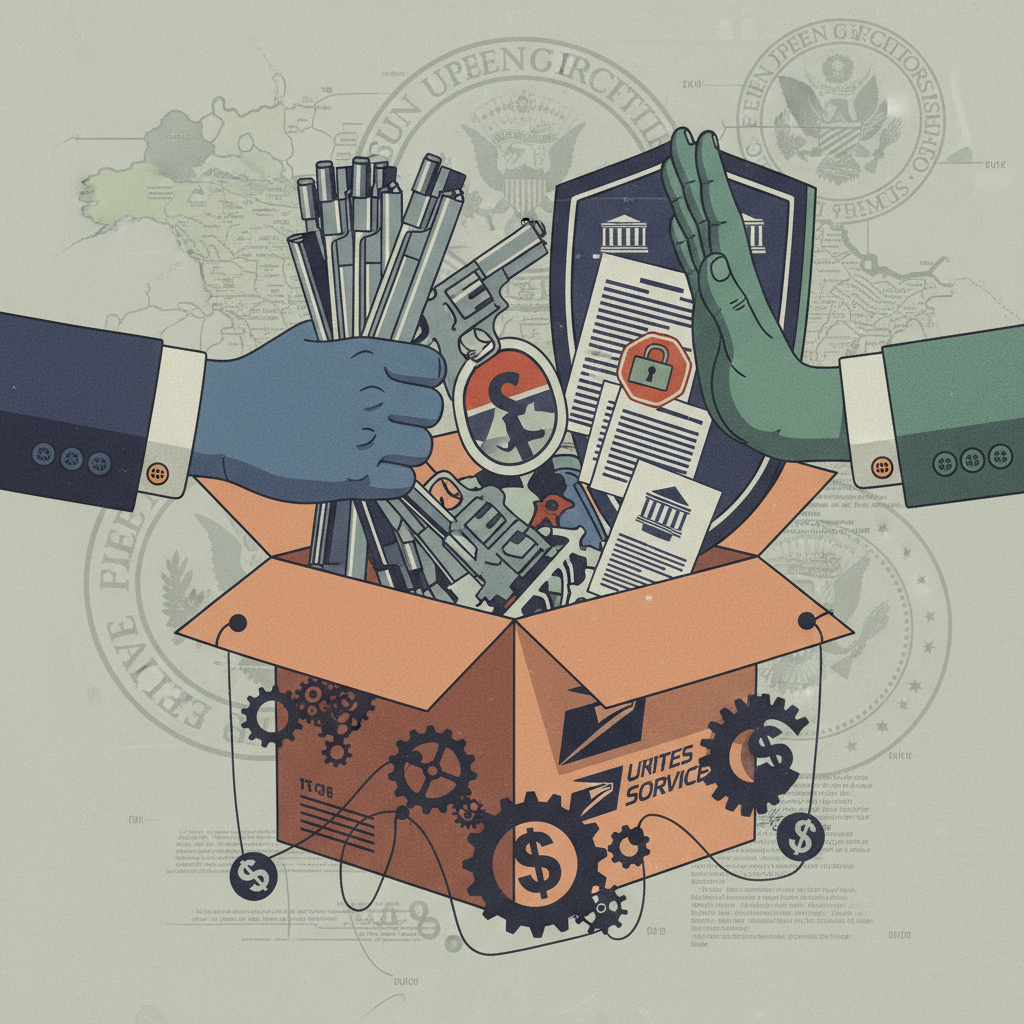
Mainstream coverage of the Department of Justice’s proposal to overturn the 100-year-old ban on mailing handguns through the U.S. Postal Service (USPS) has followed a predictable script: a binary struggle between Second Amendment absolutists and public safety advocates. By focusing almost exclusively on the ideological friction between the DOJ and twenty-four state attorneys general, the press has engaged in a form of access journalism—repeating the official legal justifications of the executive branch as the primary driver of the story while ignoring the commercial and administrative mechanics underneath.
What We Know
What the headlines failed to mention is that this is not merely a civil liberties debate; it is a significant shift in logistics and liability. The original reporting deferred to the DOJ’s interpretation of the Second Amendment as a matter of fact rather than a contested legal theory being used to bypass the legislative process. Furthermore, the press largely ignored the internal operational capacity of the USPS and the specific industry lobbyists who have long sought to lower the cost of firearm transport by shifting it from expensive private carriers to the taxpayer-subsidized mail system.
What's Being Claimed
While the DOJ frames the rule change as a constitutional necessity, the primary beneficiaries are Federal Firearms Licensees (FFLs) and large-scale manufacturers. Currently, private carriers like FedEx and UPS have implemented increasingly stringent—and costly—requirements for shipping firearms, often requiring overnight services and specialized handling to mitigate theft and liability. By opening the USPS to handgun shipments, the government is effectively providing a lower-cost alternative for the industry. Records show that the National Shooting Sports Foundation (NSSF) and other trade groups have consistently advocated for increased shipping options to reduce overhead for dealers, a detail omitted in narratives focused solely on individual 'rights.'
What's Missing
The 1968 Act strictly regulates the interstate commerce of firearms. The DOJ is attempting to use the administrative rulemaking process to undo a restriction that has stood since the Mails Exclusion Act of 1927. This raises a significant question of administrative overreach: Can an executive agency use a 'constitutional interpretation' to override a century of statutory precedent without an act of Congress? By presenting the change as a foregone conclusion based on recent Supreme Court shifts, the press fails to scrutinize whether the DOJ actually has the legal authority to rewrite shipping codes that were specifically designed to prevent the postal service from becoming a conduit for unregulated arms traffic.
What's Actually Happening
The U.S. Postal Inspection Service is already stretched thin, dealing with a surge in mail theft and the trafficking of illicit narcotics. Unlike private carriers, which utilize sophisticated tracking and private security protocols for high-value items, the USPS would need to implement new infrastructure to ensure handguns are not delivered to 'prohibited persons' or stolen from unsecured mailboxes. There has been zero public data provided by the DOJ or the USPS regarding the projected cost of these security upgrades or how postal workers—who are not law enforcement officers—will be trained to handle the intake of lethal weapons at local counters.
Why It Matters
The timing suggests a tactical move to cement deregulation before potential changes in administration or legislative shifts. By utilizing the federal register rather than seeking a bill in Congress, the executive branch avoids the public debate and compromise inherent in the legislative process. This is a classic example of 'rulemaking as lawmaking,' a process that often occurs in the shadows of more sensational political news. The press's focus on the 'intense opposition' of attorneys general treats the symptoms of this power shift rather than the cause.
"The shift from private carrier logistics to the public postal system represents a massive transfer of liability from the private sector to a government entity that is already struggling with infrastructure and security."
Conclusion
Stripped of the political theater, the DOJ’s proposal is a move to lower the barrier for firearm commerce by utilizing a public utility. While the Second Amendment provides the legal 'cover' for the change, the reality is an administrative maneuver that benefits the firearms industry's bottom line while offloading the logistical and security risks onto the USPS. To understand this story, one must look past the 'rights' rhetoric and examine the incentives: this is about cost, liability, and the use of executive rulemaking to bypass a deadlocked Congress. The real story isn’t just about who can own a gun; it’s about who pays for its transport and who is responsible when that transport fails.
FAQ
Q: Which industry groups stand to benefit most from this deregulation?
A: While the DOJ frames the rule change as a constitutional necessity, the primary beneficiaries are Federal Firearms Licensees (FFLs) and large-scale manufacturers. Currently, private carriers like FedEx and UPS have implemented increasingly stringent—and costly—requirements for shipping firearms, often requiring overnight services and specialized handling to mitigate theft and liability. By opening the USPS to handgun shipments, the government is effectively providing a lower-cost alternative for the industry.
Q: How does this proposal reconcile with the Gun Control Act of 1968?
A: The 1968 Act strictly regulates the interstate commerce of firearms. The DOJ is attempting to use the administrative rulemaking process to undo a restriction that has stood since the Mails Exclusion Act of 1927. This raises a significant question of administrative overreach.
Q: What is the USPS’s actual capacity to enforce delivery safety?
A: The U.S. Postal Inspection Service is already stretched thin, dealing with a surge in mail theft and the trafficking of illicit narcotics. Unlike private carriers, which utilize sophisticated tracking and private security protocols for high-value items, the USPS would need to implement new infrastructure to ensure handguns are not delivered to 'prohibited persons' or stolen from unsecured mailboxes.
Q: Why is the DOJ pursuing an administrative rule change now?
A: The timing suggests a tactical move to cement deregulation before potential changes in administration or legislative shifts. By utilizing the federal register rather than seeking a bill in Congress, the executive branch avoids the public debate and compromise inherent in the legislative process.
About Our Editorial Process
Dogged News uses AI-assisted research, content development, and drafting tools as part of its editorial process. Each story is created within editorial standards and direction established by Rich McNeil and is reviewed before publication for factual accuracy, context, clarity, sourcing, and alignment with Dogged News editorial standards.
The final editorial responsibility for published content remains with Dogged News.
Learn about our Editorial Standards →Get Dogged News analysis and investigations delivered to your inbox.
Discussion (0)
0/2000 · Comments are reviewed before publishing.
Have an account? to comment with a verified identity.
No comments yet. Be the first to share your perspective.