

The High Cost of Silence: Behind the Narrative of 'Steady Support' in Rural Colorado
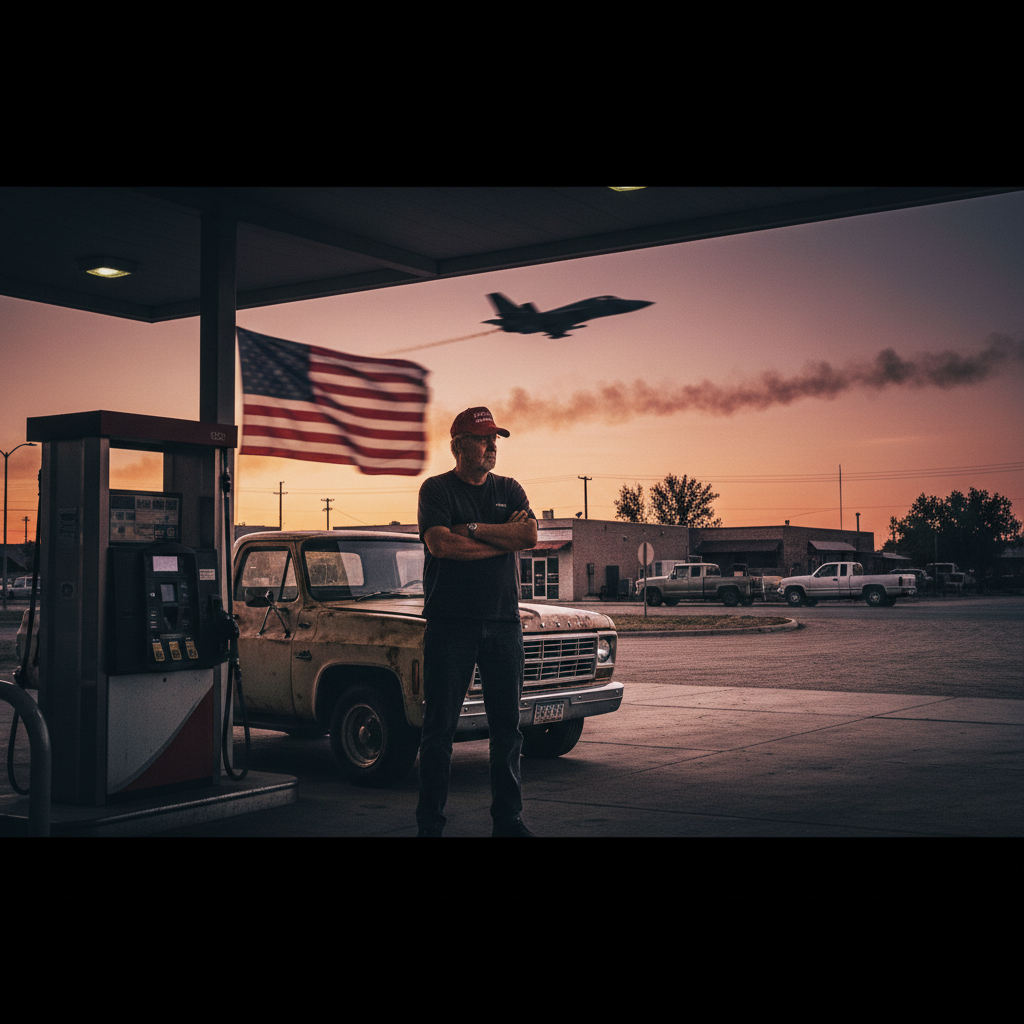
Mainstream coverage of the economic fallout in Wiggins, Colorado, has prioritized a convenient political narrative over rigorous financial and geopolitical analysis. Recent reporting by Reuters frames a 50% surge in gasoline prices as a 'patriotic sacrifice' accepted by a stoic rural populace in the name of national security. By leaning heavily on the 'voice of the people' trope, the press has effectively insulated the administration from accountability regarding the strategic origins of the conflict with Iran.
The central failure of this reporting is its deference to authority—a classic hallmark of access journalism. The narrative assumes, without independent verification, that the current military engagement is a necessary response to an imminent 'nuclear-armed Tehran.' Furthermore, it presents the 50% spike in energy costs as an inevitable, organic byproduct of war, failing to investigate the specific policy decisions or corporate profit-seeking that drive prices at the pump. By focusing on the emotional resilience of voters, the media bypasses the harder work of questioning the logic and transparency of the conflict itself.
What We Know
Official statements routinely cite a 'nuclear-armed Tehran' as the primary justification for military action, yet this claim remains largely unvetted in mainstream reports. In the lead-up to the conflict, international monitors and intelligence agencies provided a far more nuanced—and often contradictory—view of Iran’s nuclear capabilities. By adopting the administration’s terminology as fact, the press fails to differentiate between a potential future capability and an immediate existential threat. Without presenting the evidence that led to the breakdown of diplomacy, the media functions as a megaphone for the state rather than a check on its power.
What's Being Claimed
The reporting focuses on the individual driver in Wiggins, but the real story lies in the industrial overhead. For a farming community, fuel isn't just a commuting cost; it is a fundamental input for production. A 50% increase in energy costs ripples through the price of fertilizer, the operation of heavy machinery, and the logistics of getting crops to market. These costs are eventually passed to consumers nationwide. By framing the issue as a personal financial hardship for local residents, the press ignores the systemic threat to food security and the long-term viability of the American agricultural sector.
What's Missing
While the administration points to the war as the cause of high prices, the financial reality is more complex. Energy markets often react more to speculation and corporate maneuvering than to literal supply shortages. During previous periods of geopolitical instability, major oil and gas firms have reported record profits. Failing to ask whether energy conglomerates are using the conflict as a pretext for price gouging is a significant oversight. If the 'sacrifice' is being made by rural farmers while energy shareholders see dividends rise, the narrative of 'national unity' begins to collapse under the weight of the data.
What's Actually Happening
The administration initially gained support through a platform of isolationism and the ending of protracted foreign engagements. The current conflict with Iran represents a total reversal of that doctrine. Mainstream reports rarely contrast current actions with these foundational promises, allowing the administration to pivot without being challenged on its ideological consistency. This lack of context prevents voters from assessing whether the current path is a necessary deviation or a fundamental betrayal of the mandate they provided.
"When the media accepts official justifications for war without demanding evidence, it ceases to be an observer and becomes a participant in the manufacturing of consent."
Conclusion
The situation in Wiggins, Colorado, is not merely a story of rural resilience. It is a case study in how domestic economic suffering can be rebranded as a virtue to deflect from questionable foreign policy. The 50% hike in fuel prices is a tangible data point of a policy choice, not a natural disaster. To understand what is happening in the American heartland, we must look past the anecdotes of support and analyze the incentives of the institutions currently profiting from the conflict. True reporting requires questioning the 'why' of the war, not just documenting the 'who' of the casualties at the pump.
FAQ
Q: Why is the mainstream media accused of promoting a convenient political narrative in Wiggins, Colorado?
A: The media is criticized for prioritizing narratives that support the administration’s stance, such as framing economic troubles as 'patriotic sacrifices,' without critically examining the strategic origins of these issues or the validity of the government’s militaristic rationale.
Q: What specific aspects of the economic impact on Wiggins are being overlooked in reports?
A: Reports often overlook the systemic threat to food security and the agricultural sector, focusing instead on individual hardships without connecting them to broader industrial costs and implications for the national economy.
Q: How does the article suggest the media is failing its role as a check on government power?
A: The media is said to be failing by not independently verifying official justifications for military action and by not challenging the administration’s narrative, effectively acting as a megaphone rather than questioning and scrutinizing power.
Q: In what ways does the situation in Wiggins reflect a broader issue with media coverage?
A: The situation highlights how the media often bypasses rigorous analysis and fails to provide necessary context, making it easier for administrations to shift policies without accountability or public awareness of the deeper implications.
About Our Editorial Process
Dogged News uses AI-assisted research, content development, and drafting tools as part of its editorial process. Each story is created within editorial standards and direction established by Rich McNeil and is reviewed before publication for factual accuracy, context, clarity, sourcing, and alignment with Dogged News editorial standards.
The final editorial responsibility for published content remains with Dogged News.
Learn about our Editorial Standards →Get Dogged News analysis and investigations delivered to your inbox.
Discussion (0)
0/2000 · Comments are reviewed before publishing.
Have an account? to comment with a verified identity.
No comments yet. Be the first to share your perspective.