

The Electoral College: A Crumbling Relic in Need of Reform
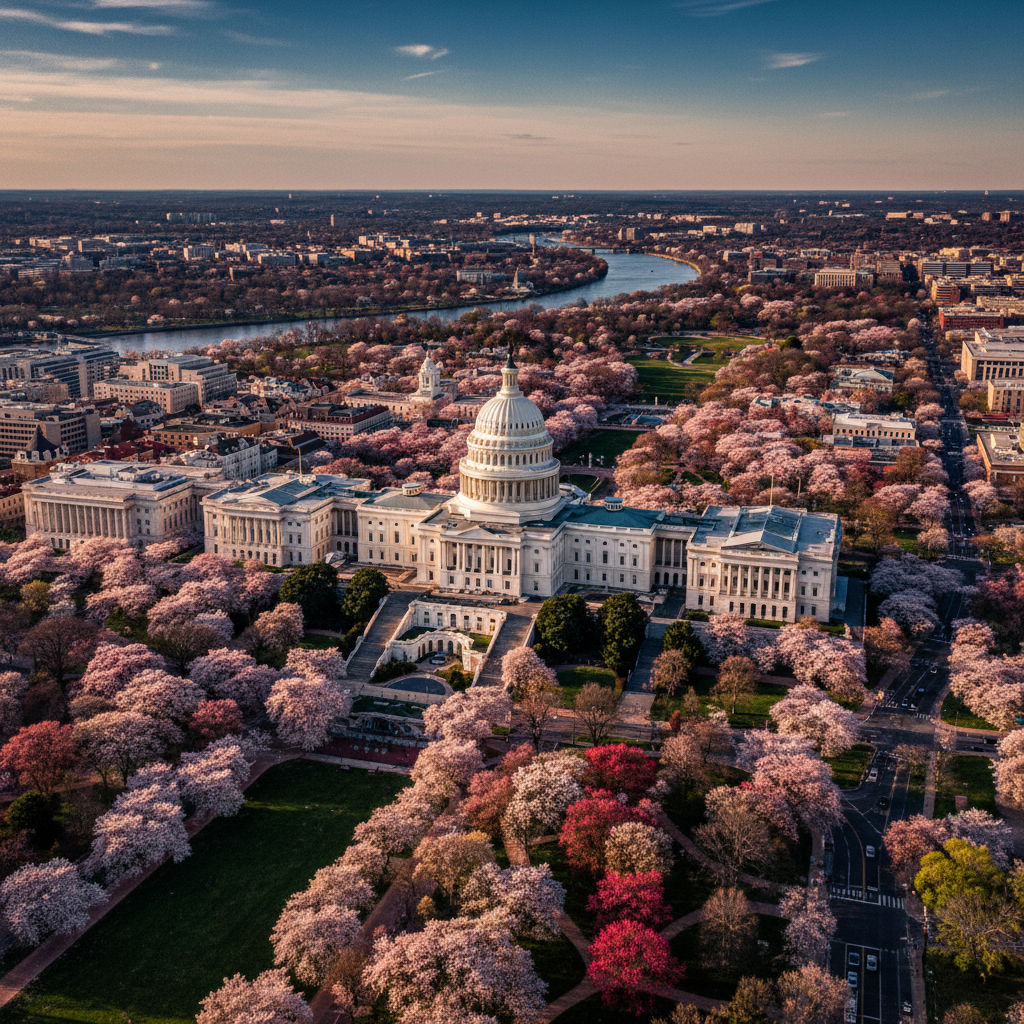
The Electoral College, a pillar of the United States' electoral framework, increasingly draws scrutiny as calls for reform echo across political aisles. With new legislative proposals unveiled in Congress, the debate around its efficacy and fairness intensifies. Critics argue that this nearly two-century-old mechanism may no longer serve its original purpose, while advocates insist it ensures balance within the federal structure.
What We Know
Established in 1787, the Electoral College was designed to balance the influence between populous and smaller states, distributing a fixed number of electoral votes according to state representation in Congress. However, shifting demographics and political dynamics highlight disparities. Several elections have resulted in presidents winning the Electoral vote while losing the popular vote, raising questions about democratic representation.
What's Being Claimed
Proponents of Electoral College reform claim it is an outdated system that undermines democratic principles. They argue that it disenfranchises voters in less competitive states and distorts presidential campaigns towards battleground states. Meanwhile, opponents maintain that it prevents large states from dominating elections and protects minority interests.
What's Missing
The current discourse often overlooks the entrenched interests benefiting from the status quo. Both major political parties have leveraged the Electoral College to their advantage over decades. Investigating the roots of resistance to change reveals a deeper entanglement with power retention rather than mere ideological belief.
What's Actually Happening
Despite heightened debate, substantial reform remains elusive. Legislative efforts face significant hurdles, including constitutional amendments or the National Popular Vote Interstate Compact gaining traction. Political inertia and strategic ambiguity detain progress, perpetuating existing electoral biases.
Why It Matters
The future of American democracy may hang in the balance. As polarization deepens, an electoral system that misrepresents the popular will risks exacerbating divisions. Authentic reform could enhance voter engagement, reflect modern societal dynamics, and possibly stabilize the political landscape by addressing systemic inconsistencies.
Conclusion
While reforming the Electoral College is a formidable challenge, the need for modernization is pressing. Balancing historic intents with contemporary realities may dictate the health of future democratic exercises. Policymakers face a pivotal moment to fortify or reconstitute elements of this enduring electoral legacy.
FAQ
Q: Why was the Electoral College created?
A: The Electoral College was established to balance power between populous and smaller states and to protect against direct populism in presidential elections.
Q: What are the main arguments for abolishing the Electoral College?
A: Critics argue it misrepresents the popular vote, focuses campaigns on battleground states, and disenfranchises voters in non-competitive states.
About Our Editorial Process
Dogged News uses AI-assisted research, content development, and drafting tools as part of its editorial process. Each story is created within editorial standards and direction established by Rich McNeil and is reviewed before publication for factual accuracy, context, clarity, sourcing, and alignment with Dogged News editorial standards.
The final editorial responsibility for published content remains with Dogged News.
Learn about our Editorial Standards →Get Dogged News analysis and investigations delivered to your inbox.
Discussion (0)
0/2000 · Comments are reviewed before publishing.
Have an account? to comment with a verified identity.
No comments yet. Be the first to share your perspective.