

The Desperation Dividend: The Truth Behind the Sudden 2026 Debt Forgiveness Blitz
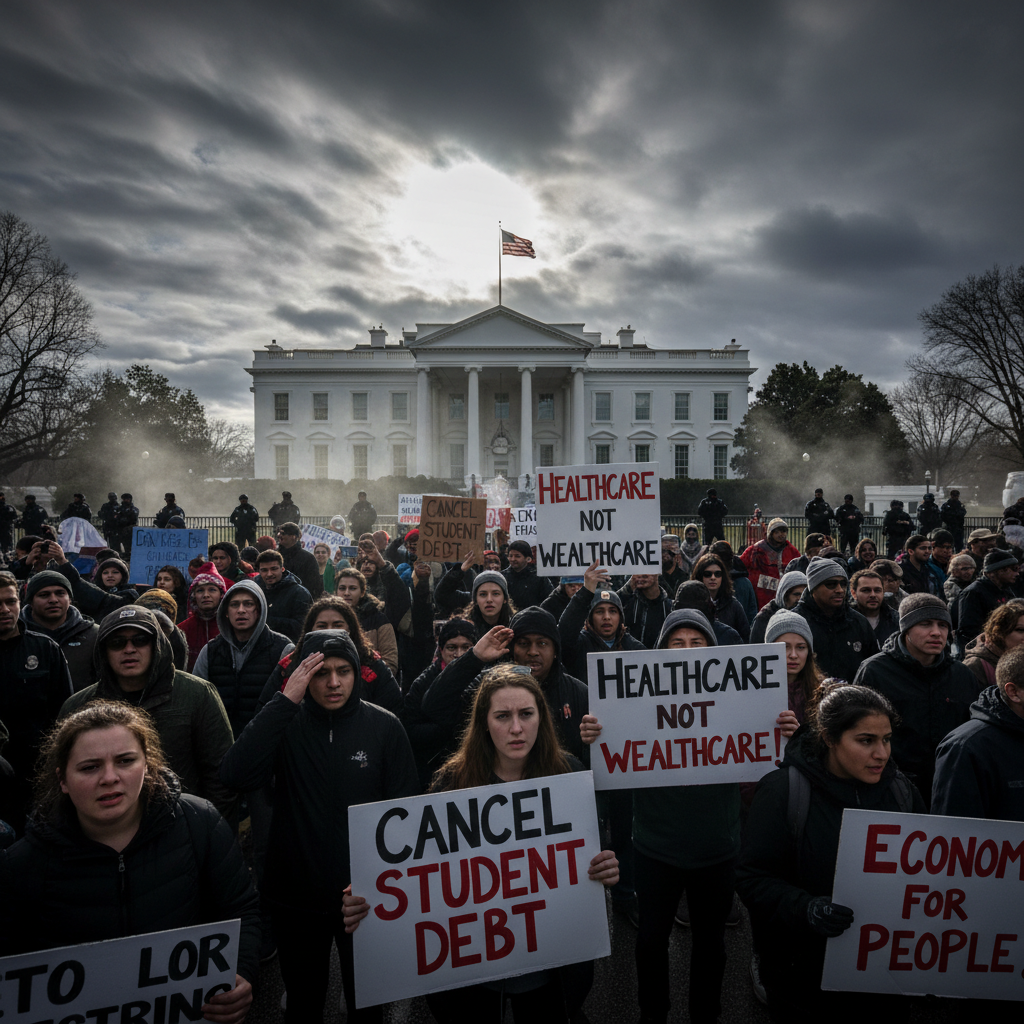
In a move that has raised eyebrows across the nation, the White House has announced an emergency $500 billion debt cancellation package targeting medical and student loans, just months before the 2026 midterm elections. This sudden blitz of debt forgiveness appears more as a strategic maneuver to secure voter loyalty than a genuine effort to address the systemic failures plaguing our educational and healthcare systems.
What We Know
On April 7, 2026, the White House unveiled a $500 billion debt cancellation package aimed at alleviating medical and student loan burdens. This initiative comes on the heels of the "One Big Beautiful Bill Act," signed into law in July 2025, which introduced significant changes to federal student aid and loan programs, including capping Federal Direct Unsubsidized Loans at $50,000 annually and $200,000 total for medical students, and eliminating the Federal Grad PLUS Program. ([students-residents.aamc.org](https://students-residents.aamc.org/premed-navigator/preparing-upcoming-student-loan-changes-information-aspiring-medical-students?utm_source=openai))
What's Being Claimed
Proponents of the debt cancellation argue that this measure is a necessary response to the escalating financial pressures faced by borrowers, particularly in the wake of the pandemic and subsequent economic challenges. They contend that the package will provide immediate relief and stimulate economic growth by reducing household debt burdens. ([forbes.com](https://www.forbes.com/sites/adamminsky/2026/01/13/these-borrowers-seeking-student-loan-forgiveness-must-act-by-april-2026/?utm_source=openai))
What's Missing
While the debt cancellation offers short-term relief, it fails to address the root causes of the soaring costs in education and healthcare. The initiative does not propose structural reforms to these sectors, nor does it outline a sustainable plan to prevent future debt accumulation. Additionally, the potential inflationary effects of injecting $500 billion into the economy have not been thoroughly examined or discussed by the administration's economists.
What's Actually Happening
The timing of this debt forgiveness package is highly suspect. With midterm elections looming, the administration's decision to announce such a significant financial relief measure suggests a calculated effort to sway voter sentiment. This move appears to be more about political expediency than a genuine commitment to resolving the systemic issues within our educational and healthcare systems.
Why It Matters
By opting for a temporary band-aid solution, the administration is diverting attention from the pressing need for comprehensive reforms in education and healthcare. The lack of structural changes means that the underlying problems—such as exorbitant tuition fees and healthcare costs—remain unaddressed, setting the stage for future financial crises. Moreover, the potential inflationary impact of this $500 billion liquidity injection could erode the purchasing power of everyday Americans, disproportionately affecting those already struggling financially.
Conclusion
The $500 billion debt cancellation package is a politically motivated move that offers temporary relief without addressing the systemic issues in education and healthcare. It is a short-sighted strategy that prioritizes electoral gains over long-term solutions, potentially exacerbating the very problems it purports to solve.
FAQ
Q: What is the "One Big Beautiful Bill Act"?
A: The "One Big Beautiful Bill Act," signed into law in July 2025, introduced significant changes to federal student aid and loan programs, including capping Federal Direct Unsubsidized Loans for medical students and eliminating the Federal Grad PLUS Program. ([students-residents.aamc.org](https://students-residents.aamc.org/premed-navigator/preparing-upcoming-student-loan-changes-information-aspiring-medical-students?utm_source=openai))
Q: How does the debt cancellation package affect medical students?
A: The debt cancellation package aims to alleviate financial burdens for medical students by forgiving a portion of their loans. However, it does not address the underlying issue of rising tuition costs, which continue to outpace inflation. ([newswise.com](https://www.newswise.com/articles/student-loan-caps-in-the-one-big-beautiful-bill-could-price-out-thousands-of-qualified-medical-students/?ad2f=1&aid=845792&utm_source=openai))
Q: What are the potential economic impacts of this debt cancellation?
A: Injecting $500 billion into the economy could have inflationary effects, potentially eroding the purchasing power of consumers and leading to higher costs of living. ([ainvest.com](https://www.ainvest.com/news/doe-92-billion-student-loan-default-crisis-hidden-setup-policy-shock-investors-watch-borrower-behavior-july-1-2604/?utm_source=openai))
Q: Why is the timing of this announcement significant?
A: The announcement comes just months before the 2026 midterm elections, raising questions about the administration's motivations and whether the move is aimed at securing voter support. ([oann.com](https://www.oann.com/newsroom/biden-announces-another-student-debt-relief-plan-for-borrowers-in-time-before-election/?utm_source=openai))
Q: What reforms are needed in education and healthcare?
A: Comprehensive reforms are needed to address the root causes of high tuition fees and healthcare costs, including policy changes to increase affordability and accessibility for all Americans.
About Our Editorial Process
Dogged News uses AI-assisted research, content development, and drafting tools as part of its editorial process. Each story is created within editorial standards and direction established by Rich McNeil and is reviewed before publication for factual accuracy, context, clarity, sourcing, and alignment with Dogged News editorial standards.
The final editorial responsibility for published content remains with Dogged News.
Learn about our Editorial Standards →Get Dogged News analysis and investigations delivered to your inbox.
Discussion (0)
0/2000 · Comments are reviewed before publishing.
Have an account? to comment with a verified identity.
No comments yet. Be the first to share your perspective.