

The Cognitive Security Bill: How Congress is Sneaking an Internet Whitelist Past the Public
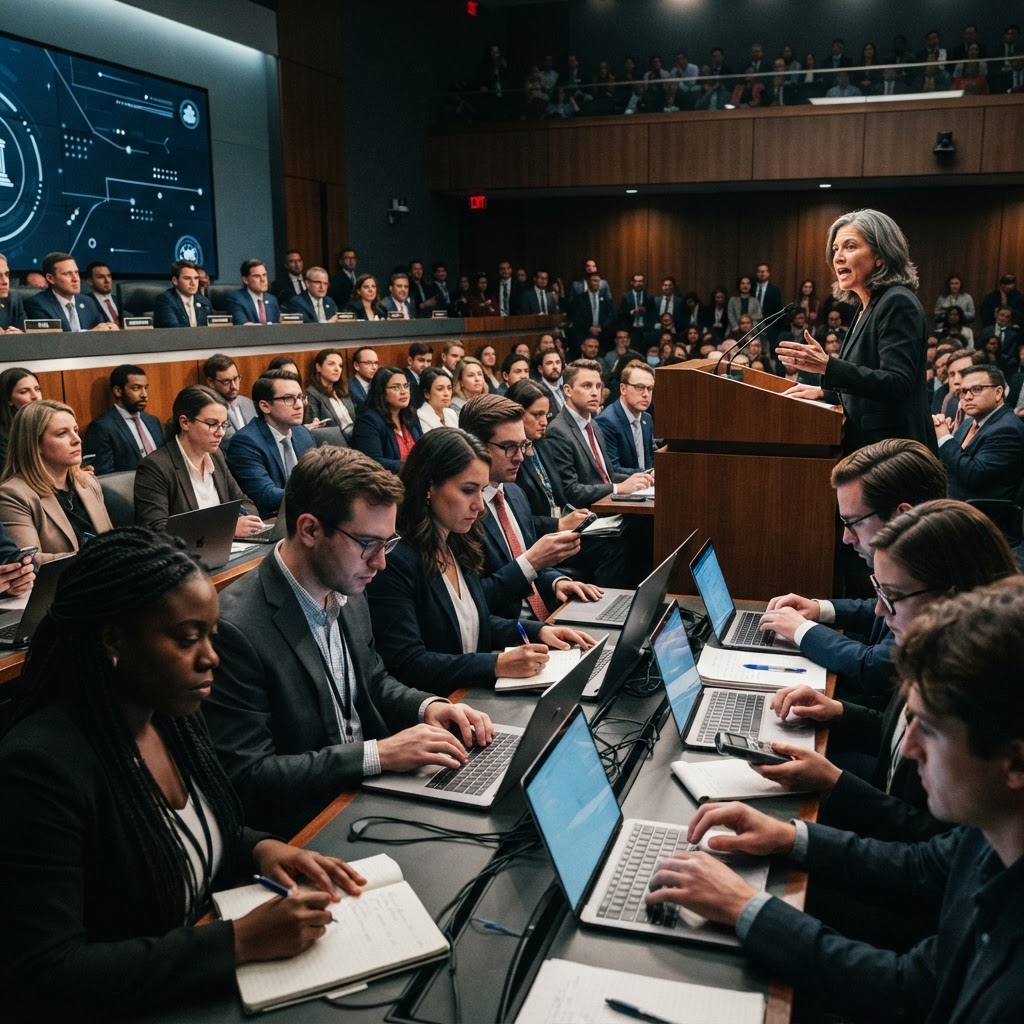
There's a bill making its way through Congress that has managed to fly under most people's radar—yet it poses a significant threat to free and independent speech on the internet. The Cognitive Security Bill sounds innocuous enough, even positively Orwellian, promising to safeguard our cognitive spaces from misinformation. But take a closer look, and you'll find Congress attempting a backdoor maneuver to smuggle an internet whitelist past an unsuspecting public.
What We Know
The Cognitive Security Bill is designed to tackle the spread of misinformation online by supposedly protecting the 'cognitive security' of internet users. It proposes to employ AI fact-checkers—a clever outsourcing tactic that keeps the First Amendment out of the mix, at least on the surface. The authority and responsibilities these AI systems would wield essentially turn them into the internet's gatekeepers, deciding which information reaches the public and which doesn't.
What's Being Claimed
Proponents, including bipartisan sponsors, assert that the bill is a necessary response to foreign interference in U.S. politics, echoing the alarms raised around the 2016 elections. For them, it's about national security and its implications in the digital age—a matter of pressing urgency. The official line suggests that without it, our information ecosystems are under threat, susceptible to manipulation by bad actors.
What's Missing
Here's what they're not spelling out: the enormous compliance costs that will inevitably follow. Smaller independent outlets—those bastions of diverse voices and critical thought—could face extinction under the financial weight of adhering to these new regulations. This oversight isn't mere coincidence; it's a boon for institutional cheerleading, leaving the arena to well-funded corporate media giants alone.
What's Actually Happening
If passed, this bill paves the way for 'privatized censorship.' The political class stealthily hands over the reins to AI gatekeepers, backed by powerful corporate plays with vested interests in maintaining control of the narrative. Soon, independent podcasts, journalistic start-ups, and grassroots news platforms may find themselves cut off from the digital whitelist, muzzled under the guise of cognitive security.
Why It Matters
Look beyond the immediate fear of misinformation, and you'll see a far darker consequence. This legislation insidiously reframes independent analysis and dissent as potential national security threats. In essence, the bill undermines the very pillars of democracy—diversity of thought and free speech. It’s a masterstroke for those with leverage, centralizing narrative power and robbing citizens of the ability to discern truths for themselves.
Conclusion
The Cognitive Security Bill cleverly bypasses traditional censorship methods. In doing so, it attempts to nullify the indie voices that enrich our public dialogue while telling us it's for our own good. But making decisions on censorship through private entities embeds power into faceless algorithms and corporate boardrooms, not democratic institutions or the public discourse. It's time we saw this bill for what it truly is: a veiled attempt to centralize control over information disguised as a safeguard for the nation’s cognitive security.
FAQ
Q: What is the main goal of the Cognitive Security Bill?
A: The main goal of the Cognitive Security Bill is to tackle online misinformation by safeguarding the 'cognitive security' of internet users through the use of AI fact-checkers.
Q: How does the bill propose to filter online content?
A: The bill proposes employing AI systems as gatekeepers to decide which information reaches the public, effectively creating an internet whitelist.
Q: Who are the proponents of this bill, and what do they claim?
A: Proponents, including bipartisan sponsors, claim the bill is a necessary response to foreign interference in U.S. politics and essential for national security in the digital age.
Q: Why is this bill considered a threat to free speech?
A: The bill is considered a threat because it enables 'privatized censorship,' potentially marginalizing independent media and dissenting voices under the guise of cognitive security.
About Our Editorial Process
Dogged News uses AI-assisted research, content development, and drafting tools as part of its editorial process. Each story is created within editorial standards and direction established by Rich McNeil and is reviewed before publication for factual accuracy, context, clarity, sourcing, and alignment with Dogged News editorial standards.
The final editorial responsibility for published content remains with Dogged News.
Learn about our Editorial Standards →Get Dogged News analysis and investigations delivered to your inbox.
Discussion (4)
0/2000 · Comments are reviewed before publishing.
Have an account? to comment with a verified identity.
Wait, let's look at the text again. Doesn't the bill actually focus on foreign state-sponsored influence campaigns? I think people are misinterpreting the scope here.
Sarah, the problem is that 'influence' is defined so broadly that independent podcasts could easily be labeled as a threat. The legislative language is intentionally vague.
It is terrifying that this bill is moving forward with so little mainstream coverage. We really need to pay attention to how they are defining 'cognitive security' before it becomes law.
I manage a small news outlet and our team is legitimately worried about being hit by these algorithmic filters. If this passes, I don't know how we keep the site online.
Amina, have you reached out to the EFF? They usually track these bills and might be able to help you draft a statement for your readers.
I'm all for national security, but not if the price is a sanitized internet where only approved sources are allowed. This feels like a massive overreach.