

Power vs. Protocol: Beyond the 'Censorship' Narrative in the FCC-Disney Standout
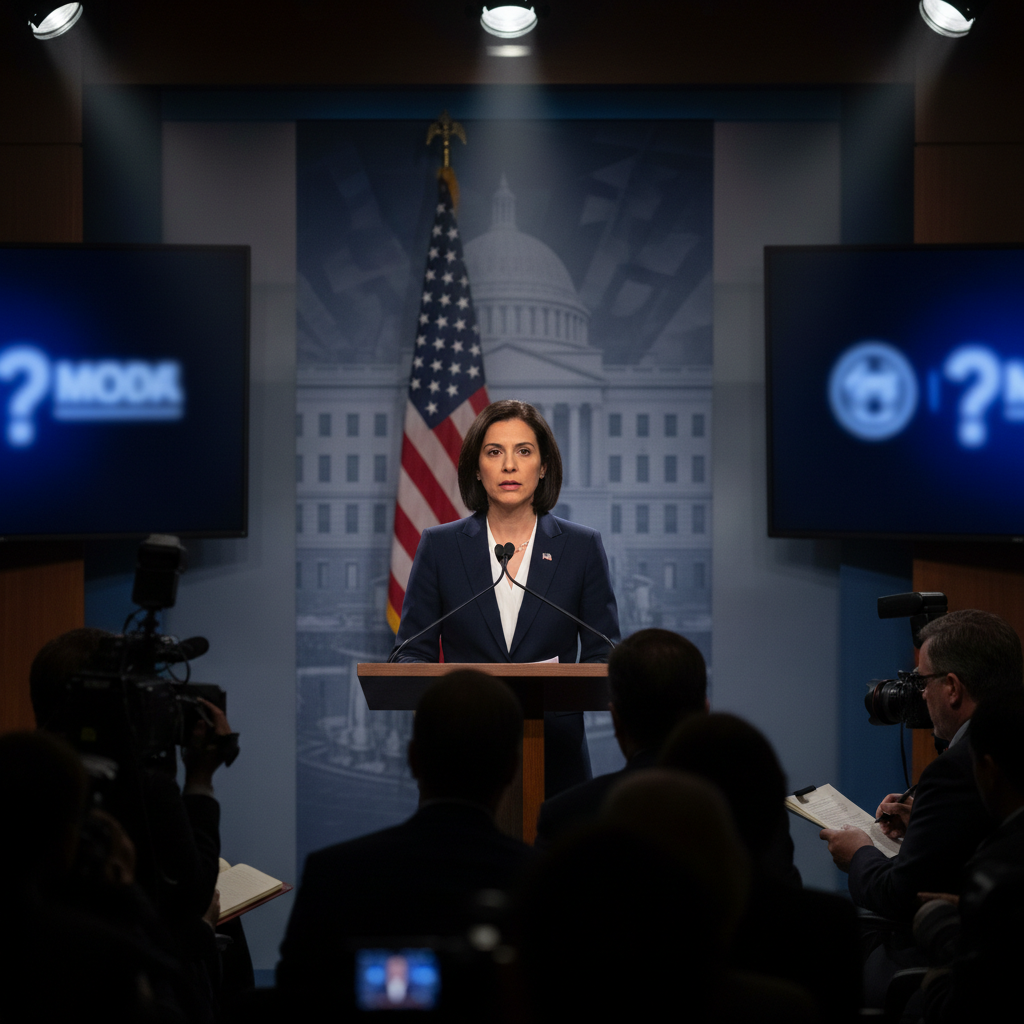
In the wake of FCC Commissioner Anna Gomez's recent public call for media resistance against the Trump administration, the mainstream reporting followed a predictable script. The Associated Press and its peers presented the story as a straightforward battle between a lone defender of democratic norms and an administration weaponizing the state against the First Amendment. However, by adopting Gomez's terminology—words like 'crackdown' and 'campaign of censorship'—without independent scrutiny, the press engaged in a classic form of access journalism: stenography for a high-ranking official.
What We Know
What the coverage omitted was the administrative context. The FCC does not operate in a vacuum of 'censorship' or 'freedom'; it operates within a framework of statutes, public interest obligations, and ownership caps. By failing to examine the specific regulatory triggers cited by the administration for its probes into Disney and ABC, the media effectively obscured the legal battlefield in favor of a moral one. This deference to authority—specifically to Gomez's authority as a commissioner—allowed her partisan interpretation to be framed as the objective reality of the situation, leaving readers without the data needed to judge whether these probes are unprecedented overreaches or the aggressive application of existing, albeit controversial, regulatory powers.
What's Missing
Administrative actions are rarely launched under the banner of 'censorship'; they are launched under the banner of 'compliance.' To understand if these probes are politically motivated, one must first understand the stated legal pretext. The administration has pointed toward the 'public interest' obligations inherent in broadcast licensing—a broad and historically elastic standard. By failing to report the specific complaints or regulatory filings that initiated these inquiries, the press missed the opportunity to analyze whether the administration is distorting law or simply enforcing it with a new, sharper ideological lens.
What We Know
Context is the enemy of sensation. The FCC has a long history of investigating media conglomerates, from the Obama-era reviews of the Comcast-NBCUniversal merger to the scrutiny of Sinclair Broadcast Group. If the current probes are truly 'unprecedented,' the evidence would lie in a deviation from standard operating procedure. Is the FCC bypassing the usual administrative law judge process? Are the requests for information (RFIs) broader than those issued in previous decades? Without this historical baseline, the 'censorship' narrative remains an assertion rather than a documented fact.
What's Being Claimed
The framing of Gomez as the 'sole Democrat' often serves to paint her as a heroic outlier, but it fails to address the arguments of the Republican majority. Commissioners like Brendan Carr have frequently argued that 'public interest' includes a requirement for viewpoint diversity and transparency in news gathering. Understanding the majority's rationale is essential to determining if the agency is acting as a cohesive regulatory body or if it has been partitioned into partisan factions using the same rulebook to achieve opposite ends.
Conclusion
The story of Commissioner Gomez and the Trump administration is not merely a tale of government versus the press. It is a story about the collapse of neutral arbiters. When the administration uses the FCC's regulatory machinery to target specific editorial outcomes, it risks turning the law into a weapon. Simultaneously, when members of the commission use their platform to incite the industry against legal processes, and the press reports those incitements without skepticism, the infrastructure of objective governance is further weakened.
Why It Matters
Ultimately, this isn't just about Disney or ABC. It is about whether the public can still trust the mechanisms used to regulate our information environment. If the media continues to favor the 'who said it' over the 'is it true,' they remain complicit in a narrative-driven cycle that prioritizes political alignment over factual clarity. Understanding this story requires looking past the rhetoric of 'censorship' and examining the technical levers of power being pulled behind the scenes.
FAQ
Q: What triggered the FCC's investigation into Disney and ABC?
A: The administration cited 'public interest' obligations inherent in broadcast licensing as the basis for their probes, though specific complaints or regulatory filings that initiated these inquiries were not detailed in the media coverage.
Q: Why is the press's framing of Gomez's actions as 'censorship' significant?
A: By adopting Gomez's terms without independent scrutiny, the media may portray her partisan interpretation as objective reality, potentially misleading the public about the nature and legality of the FCC's actions.
Q: How does this situation impact public trust in media regulation?
A: If the FCC's regulatory processes are perceived as politically motivated, and media coverage lacks critical analysis, public trust in the mechanisms used to regulate the information environment may erode.
Q: What does the article suggest is missing from current media coverage on this issue?
A: The article suggests that media coverage lacks an exploration of the legal and administrative context that would clarify whether the FCC's actions are unprecedented overreaches or the aggressive application of existing laws.
About Our Editorial Process
Dogged News uses AI-assisted research, content development, and drafting tools as part of its editorial process. Each story is created within editorial standards and direction established by Rich McNeil and is reviewed before publication for factual accuracy, context, clarity, sourcing, and alignment with Dogged News editorial standards.
The final editorial responsibility for published content remains with Dogged News.
Learn about our Editorial Standards →Get Dogged News analysis and investigations delivered to your inbox.
Discussion (0)
0/2000 · Comments are reviewed before publishing.
Have an account? to comment with a verified identity.
No comments yet. Be the first to share your perspective.