

Navigating Tensions: The U.S.'s Delicate Balance Between China and Taiwan
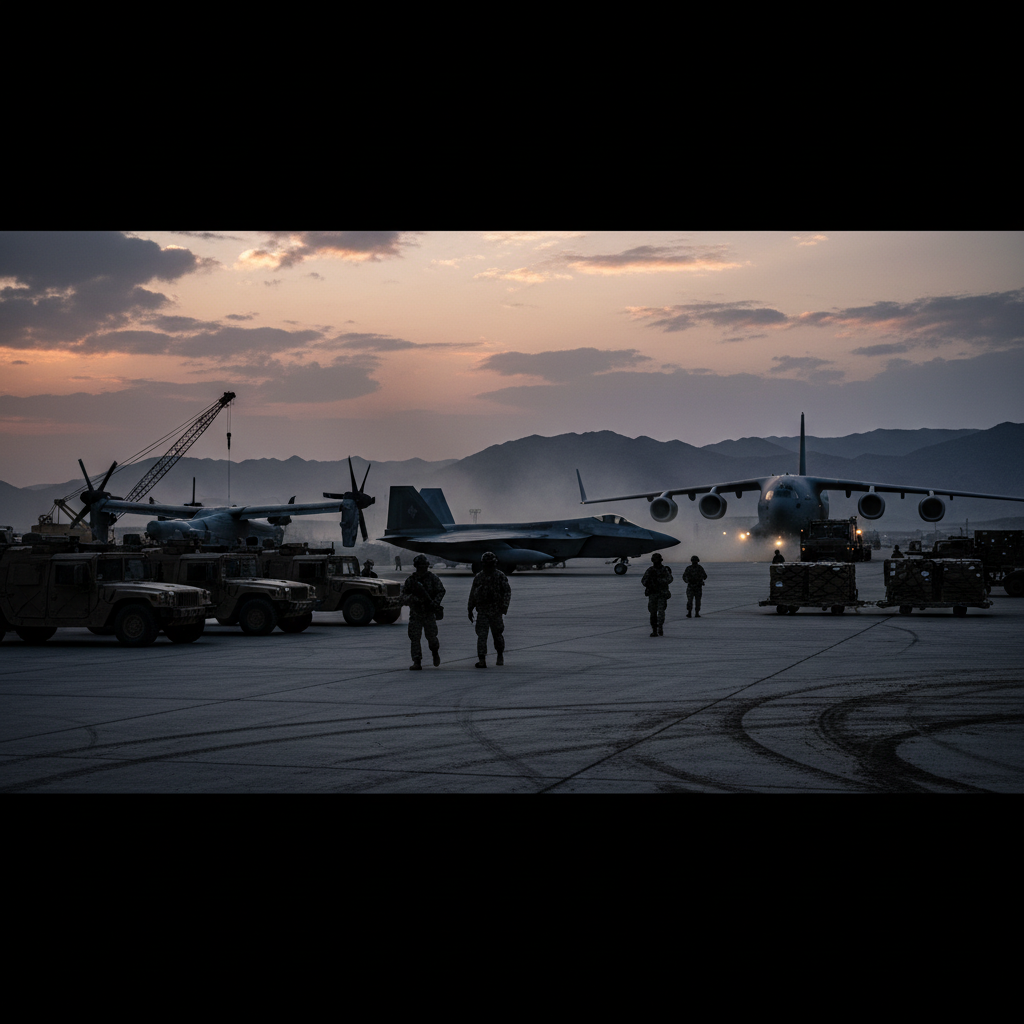
As the geopolitical landscape in Asia grows more intricate, the United States finds itself navigating a treacherous path between two prominent allies—China and Taiwan. This dynamic is driving a careful yet precarious dance for the U.S., with significant repercussions on regional and global security.
What We Know
The historical ties between the U.S., China, and Taiwan have always been fraught with complexity. Ever since the United States formally recognized the People's Republic of China in 1979, it has maintained a delicate balance through the Taiwan Relations Act, which allows for unofficial relations with Taiwan. This has enabled the U.S. to support Taiwan's defense without openly defying China’s claims over Taiwan.
What's Being Claimed
Both China and Taiwan have ramped up military activities, raising alarms in Washington. China claims these exercises are necessary to defend its sovereignty, while Taiwan asserts its right to self-defense. The U.S. faces criticism for exacerbating tensions by continuing arms sales to Taiwan and conducting joint military drills, potentially embroiling itself in a conflict it would prefer to avoid.
What's Missing
What's not immediately apparent in this geopolitical puzzle is a clear strategy from the U.S. Administration to de-escalate tensions. The focus has largely been reactive, addressing issues as they arise rather than outlining a definitive path forward. Also absent is a comprehensive assessment of how local power dynamics influence larger geopolitical considerations, beyond the headlines of military posturing.
What's Actually Happening
On the surface, the U.S. appears to be maintaining the status quo—supporting Taiwan defensively while engaging in complex diplomacy with China. However, beneath the surface lies a narrative of power projection and strategic chess. As China flexes its economic and military muscles, Washington's moves are becoming increasingly tactical, perhaps wavering between strategic necessity and a lack of alternative options.
The U.S. must tread carefully, maneuvering between supporting democratic values in Taiwan and maintaining critical diplomatic channels with China.
Why It Matters
The implications of the U.S.'s actions resonate far beyond the immediate region. Should tensions escalate, global trade routes and international alliances could be disrupted. The economic ramifications are profound, given the critical nature of semiconductor production in Taiwan and the broader supply chain impacts. As both sides of the Taiwan Strait ramp up military readiness, the stakes for regional stability could not be higher.
Conclusion
The United States is engaged in a high-wire act between China and Taiwan, with global implications at play. To mitigate potential crises, a recalibrated strategy is needed—one that clearly maps out paths to peace and prosperity while respecting the intricate history and current realities. Wisdom, not just strength, must guide Washington's engagements in Asia.
FAQ
Q: Why is Taiwan such a significant issue for the U.S.?
A: Taiwan is crucial due to its strategic location, democratic governance, and its role in global technology supply chains, particularly in semiconductor production.
Q: What are the potential risks of the U.S. involvement in Taiwan?
A: U.S. involvement risks sparking a military confrontation with China, potentially leading to broader regional instability and affecting international alliances.
Q: How does China view Taiwan, and why does this influence U.S. policy?
A: China considers Taiwan a part of its territory and views any act of U.S. support for Taiwan as interference in domestic affairs, complicating bilateral relations.
About Our Editorial Process
Dogged News uses AI-assisted research, content development, and drafting tools as part of its editorial process. Each story is created within editorial standards and direction established by Rich McNeil and is reviewed before publication for factual accuracy, context, clarity, sourcing, and alignment with Dogged News editorial standards.
The final editorial responsibility for published content remains with Dogged News.
Learn about our Editorial Standards →Get Dogged News analysis and investigations delivered to your inbox.
Discussion (0)
0/2000 · Comments are reviewed before publishing.
Have an account? to comment with a verified identity.
No comments yet. Be the first to share your perspective.