

Militia Drones and Defense Contracts The Hidden Profit in the Supreme Court Border Ruling
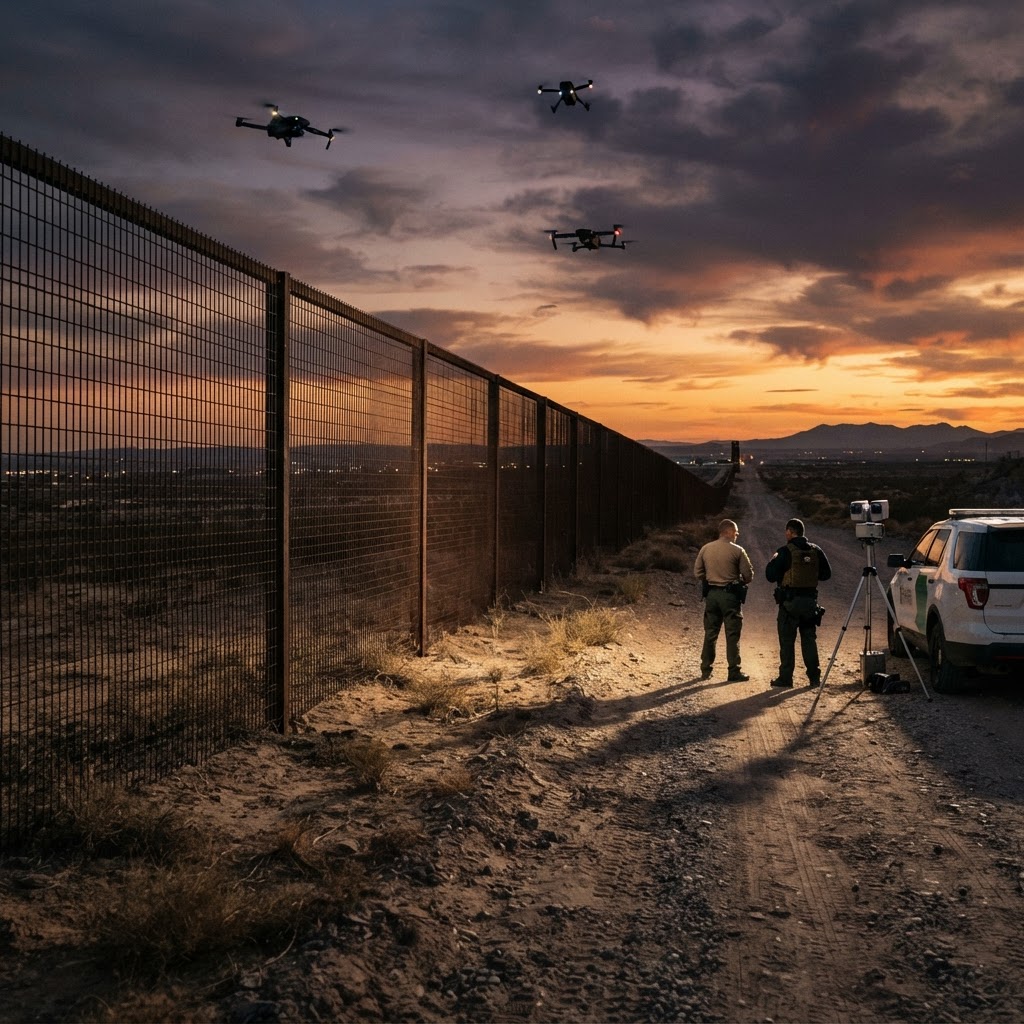
The Supreme Court's recent decision on border enforcement has far-reaching implications beyond immigration. While headlines focus on its effects on migration—and not without reason—the real story might be in the fine print and hidden affiliations. This ruling doesn't just modify border management; it essentially opens the door for unregulated, profit-seeking ventures in the surveillance tech sector. State governments have been handed carte blanche to engage these tech firms, crafting a domestic testing arena for military-grade autonomous drones, effectively sidestepping federal oversight.
What We Know
The ruling allows states to use advanced technology, including drones, for border patrol without federal intervention. This has led to significant contracts being awarded to start-ups and private companies specializing in autonomous systems. These firms now have unprecedented opportunities to operate within U.S. borders, ostensibly for security purposes but with minimal accountability.
What's Being Claimed
Proponents of the decision argue that enhanced state control fosters more efficient border management, more directly addressing local issues. They claim that modern technology, like drone surveillance, can be a force multiplier for overtaxed state security resources. The perception being sold is one of increased safety and controlled borders.
What's Missing
However, a significant oversight is the lack of discussion around the potential misuse of these technologies. States are provisioning enormous budgets for these projects, incentivizing companies to push boundaries—legally and technologically—without a parallel increase in regulatory oversight. We're facing a situation where private firms, without federal checks, could essentially run surveillance operations with military-level technology.
What's Actually Happening
These contracts reveal the underlying motive: profit and power. Unmanned drones equipped with high-tech surveillance capabilities are quintessentially military tools, now repurposed for domestic use. The narrative being sold misses that state governments, now armed with this technology, can bypass traditional intelligence channels and create their own shadow intelligence operations. It's a seismic shift in how surveillance is conducted on U.S. soil.
Why It Matters
The implications of states acting unilaterally with such advanced technology are profound. By effectively turning the U.S.-Mexico border into a testbed for drone technology, there's more at stake than state rights or federal overreach. We're on the precipice of normalized military-level surveillance in civilian life, which could change the nature of privacy and civil liberties.
Conclusion
While the Supreme Court border ruling is pitched as a necessity for the effective enforcement of state rights, it obscures the emergent issues beneath the surface. The true concern is not how many drones guard the border, but who controls them and to what end. As technology outruns legislation, the uncharted territory ahead will require vigilant oversight—if not from governing bodies, then from a well-informed public aware of its rights and the societal shifts in play.
FAQ
Q: What does the Supreme Court ruling mean for state control over border surveillance?
A: The ruling grants states the authority to use advanced surveillance technology, including drones, for border patrol without needing federal approval or oversight.
Q: Are there any checks on the use of drones by private firms under the new ruling?
A: Currently, there is minimal federal oversight, allowing private firms significant freedom to operate drones for surveillance, often with military-grade capabilities, under state contracts.
Q: Why is the potential misuse of surveillance technology a concern?
A: With military-level technology in the hands of private companies and states, there's a risk of unregulated surveillance encroaching on civil liberties and privacy without sufficient accountability.
Q: How might this ruling affect public privacy and civil liberties?
A: The normalization of military-grade surveillance in civilian areas could drastically alter the balance of privacy and personal freedoms, leading to potential abuses without legislative safeguards.
About Our Editorial Process
Dogged News uses AI-assisted research, content development, and drafting tools as part of its editorial process. Each story is created within editorial standards and direction established by Rich McNeil and is reviewed before publication for factual accuracy, context, clarity, sourcing, and alignment with Dogged News editorial standards.
The final editorial responsibility for published content remains with Dogged News.
Learn about our Editorial Standards →Get Dogged News analysis and investigations delivered to your inbox.
Discussion (0)
0/2000 · Comments are reviewed before publishing.
Have an account? to comment with a verified identity.
No comments yet. Be the first to share your perspective.