

Eric Swalwell's Withdrawal: Implications for Political Integrity
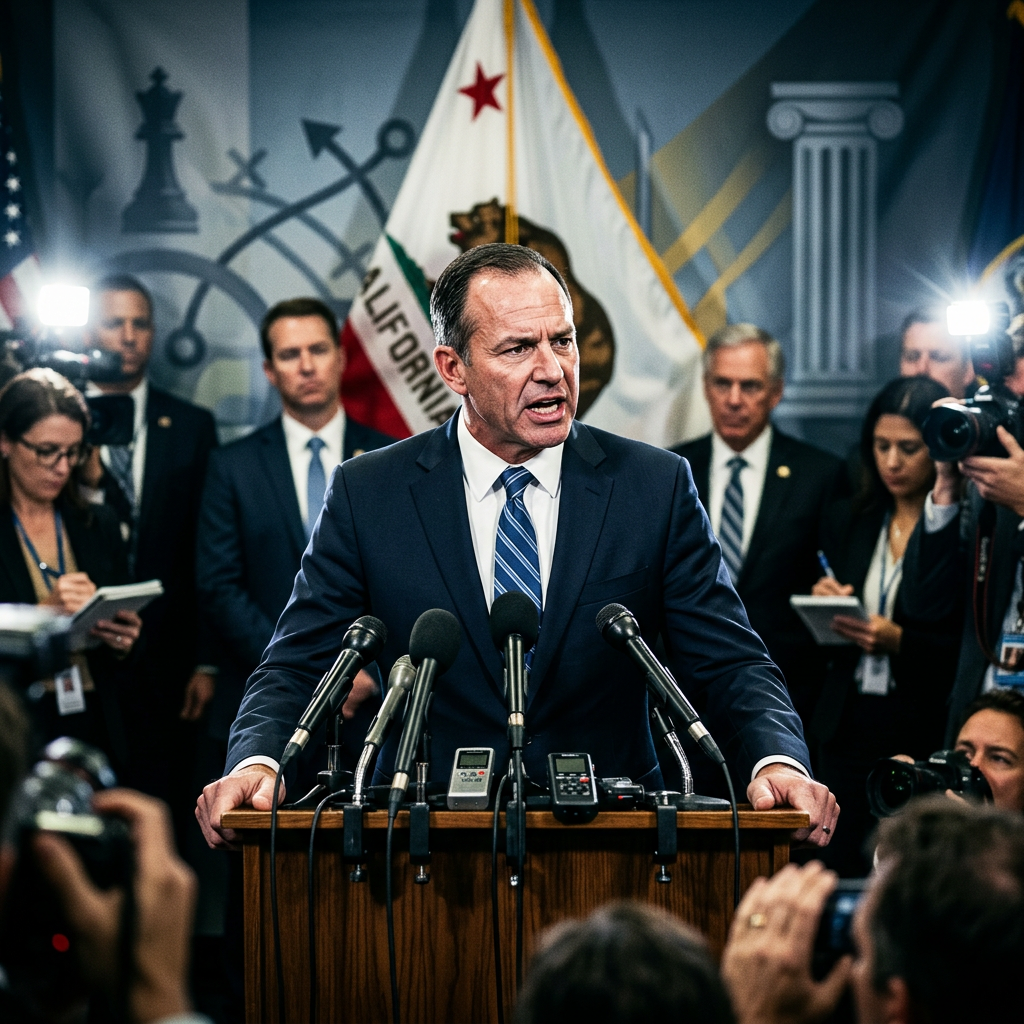
In the complex political landscape of California, Congressman Eric Swalwell's exit from the governor's race has sparked conversations about personal accountability and political strategy. His sudden withdrawal raises crucial questions about the influence of personal conduct on political aspirations and the broader implications for political integrity in America.
What We Know
Eric Swalwell is a prominent figure in American politics, primarily known for his tenure as a U.S. Representative from California. However, his decision to not pursue the governorship of California was unexpected for many. Swalwell has been a vocal critic of certain political narratives and has consistently been in the news for his straightforward style. His recent controversies, including security concerns stemming from alleged ties with a suspected Chinese spy, have placed him under intense scrutiny.
"Swalwell's withdrawal not only highlights the challenges faced by politicians in today’s fast-paced media environment but also underscores the need for transparency and accountability in public office."
What's Being Claimed
There are competing narratives surrounding Swalwell's exit. Some claim that the pressure from ongoing investigations into his personal connections influenced his decision. Others argue that his withdrawal was strategic, enabling him to focus on reelection to Congress and avoid a potential political blow in a contentious gubernatorial race. There are also suggestions that party insiders might have nudged him away from the gubernatorial race to avoid damaging the Democratic brand in a key state like California.
What's Missing
The discourse lacks a nuanced analysis of how personal accountability is perceived and managed within political contexts. Media and public conversations focus heavily on allegations and strategic maneuvering, but they often miss a deeper examination of the societal expectations from politicians regarding conduct and integrity. Additionally, there's scant discourse on how these expectations differ across various states and political ecosystems.
What's Actually Happening
Swalwell's exit is a reflection of the broader challenges politicians face when personal conduct becomes a focal point. While his opponents might capitalize on past controversies, Swalwell’s decision may also illustrate a conscious move to safeguard political capital in a polarized environment. His alignment with Democratic priorities suggests that internal party dynamics could have played a role in steering his decision. Ultimately, this case is emblematic of the tightrope walk many politicians must navigate between personal backgrounds and public responsibilities.
Why It Matters
This situation underscores the importance of political accountability in maintaining public trust. As voters become increasingly attuned to the personal lives of their representatives, the pressure mounts for transparency and ethical integrity. Swalwell's case amplifies the debate around how much personal conduct should influence political destiny and what parameters define a candidate's viability in the eyes of the public and their party.
Conclusion
Eric Swalwell's withdrawal from the governor's race is more than a personal political maneuver; it highlights the delicate balance between personal conduct and political ambition. This scenario invites a critical reflection on the standards we set for our leaders and the impact of personal integrity on political feasibility. In an era where public perception is as powerful as policy, the debate around what constitutes acceptable political conduct is increasingly relevant.
FAQ
Q: Why did Eric Swalwell exit the governor's race?
A: There are multiple reasons cited for Swalwell's withdrawal, including the pressure from investigations into his personal connections, political strategy, and potential influence from Democratic Party insiders.
Q: How do personal conduct controversies affect political careers?
A: Personal conduct controversies can significantly impact political careers by influencing public perception, affecting trust, and potentially altering political strategies and decisions.
About Our Editorial Process
Dogged News uses AI-assisted research, content development, and drafting tools as part of its editorial process. Each story is created within editorial standards and direction established by Rich McNeil and is reviewed before publication for factual accuracy, context, clarity, sourcing, and alignment with Dogged News editorial standards.
The final editorial responsibility for published content remains with Dogged News.
Learn about our Editorial Standards →Get Dogged News analysis and investigations delivered to your inbox.
Discussion (0)
0/2000 · Comments are reviewed before publishing.
Have an account? to comment with a verified identity.
No comments yet. Be the first to share your perspective.