

The Nationalization Pivot: What the Press Ignored in Trump’s AI Equity Proposal
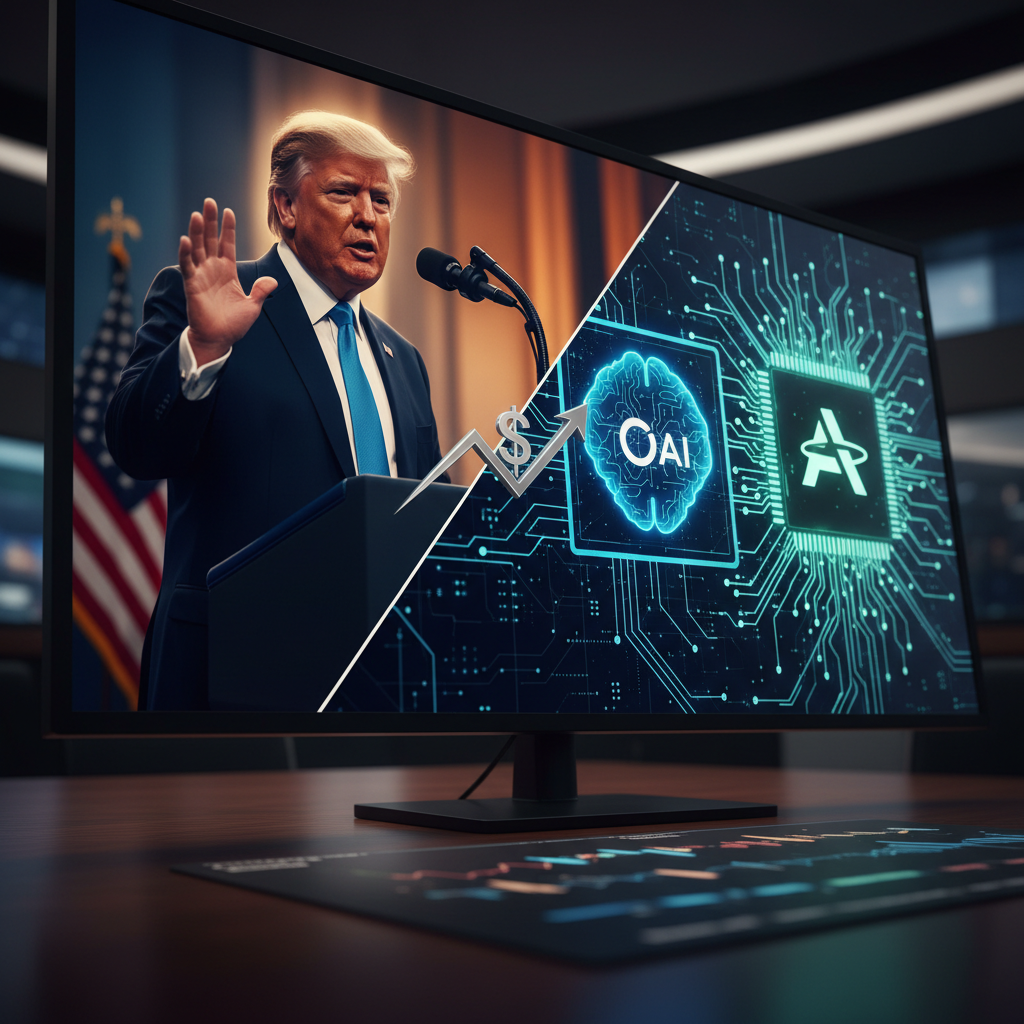
In recent coverage of the Trump administration’s proposal to take direct equity stakes in leading AI firms, the legacy press has largely functioned as a megaphone for executive branch press releases. Headlines from outlets like the Washington Post presented the plan as a pragmatic fusion of national security and fiscal responsibility. However, by uncritically adopting the administration’s framing of ‘taxpayer returns’ and ‘national security,’ mainstream reporting has abdicated its role as a watchdog, failing to scrutinize the legal, economic, and ethical chasms this policy creates.
‘The proposal... is intended to ensure national security and provide a return for taxpayers,’ the original report claimed, accepting the stated motive as a factual premise rather than a political claim.
What We Know
The core failure of the current coverage lies in its deference to authority—a classic example of access journalism where the reporter prioritizes the ‘what’ (the announcement) over the ‘how’ and the ‘why.’ Coverage has focused on the ‘populist’ optics of the move while ignoring the fact that this represents a fundamental departure from the American tradition of separation between state and private enterprise. By framing the move as ‘mirroring calls from lawmakers,’ the press created a false sense of consensus, burying the reality that this is a radical shift toward state-led industrial policy that lacks any modern precedent outside of wartime or emergency bailouts.
Furthermore, the media failed to identify the blatant conflict of interest: the federal government is currently the primary regulator of these firms. When the state becomes a major shareholder, the incentive to regulate for the public good is immediately compromised by the incentive to protect the value of its own investment.
Conclusion
This is not a story about ‘protecting the taxpayer’; it is a story about the expansion of executive power into the most critical infrastructure of the 21st century. When the press uses phrases like ‘intended to ensure’ without evidence, they assist in the rebranding of state-led interventionism as common-sense patriotism. Real clarity reveals that this plan would create a permanent entanglement between Silicon Valley and Washington, where the government becomes both the judge and the teammate in the AI race. For an industry built on ‘disruption,’ the greatest disruption may be its quiet nationalization by an administration using the very ‘national security’ labels the press refuses to question.
FAQ
Q: What is the main concern regarding Trump's AI equity proposal?
A: The main concern is that the proposal marks a significant shift towards state-led industrial policy by taking direct equity stakes in AI firms, which conflicts with the tradition of separating state and private enterprise.
Q: How has the media been criticized in their coverage of the AI equity proposal?
A: The media has been criticized for acting as a mouthpiece for the administration, accepting its motives and messages at face value, and failing to critically examine the implications of the policy.
Q: Why might the government's equity in AI firms pose a conflict of interest?
A: The government, as the primary regulator, would have its regulatory incentives compromised by interests in protecting the value of its own investments in these firms.
Q: What is the potential impact of this proposal on the relationship between Silicon Valley and Washington?
A: The proposal could lead to a permanent entanglement between Silicon Valley and Washington, with the government acting both as a regulator and a stakeholder, thereby influencing the AI industry's direction and dynamics.
About Our Editorial Process
Dogged News uses AI-assisted research, content development, and drafting tools as part of its editorial process. Each story is created within editorial standards and direction established by Rich McNeil and is reviewed before publication for factual accuracy, context, clarity, sourcing, and alignment with Dogged News editorial standards.
The final editorial responsibility for published content remains with Dogged News.
Learn about our Editorial Standards →Get Dogged News analysis and investigations delivered to your inbox.
Discussion (0)
0/2000 · Comments are reviewed before publishing.
Have an account? to comment with a verified identity.
No comments yet. Be the first to share your perspective.