

Grocery Surge Pricing: The Algorithmic Gouging of Everyday Survival
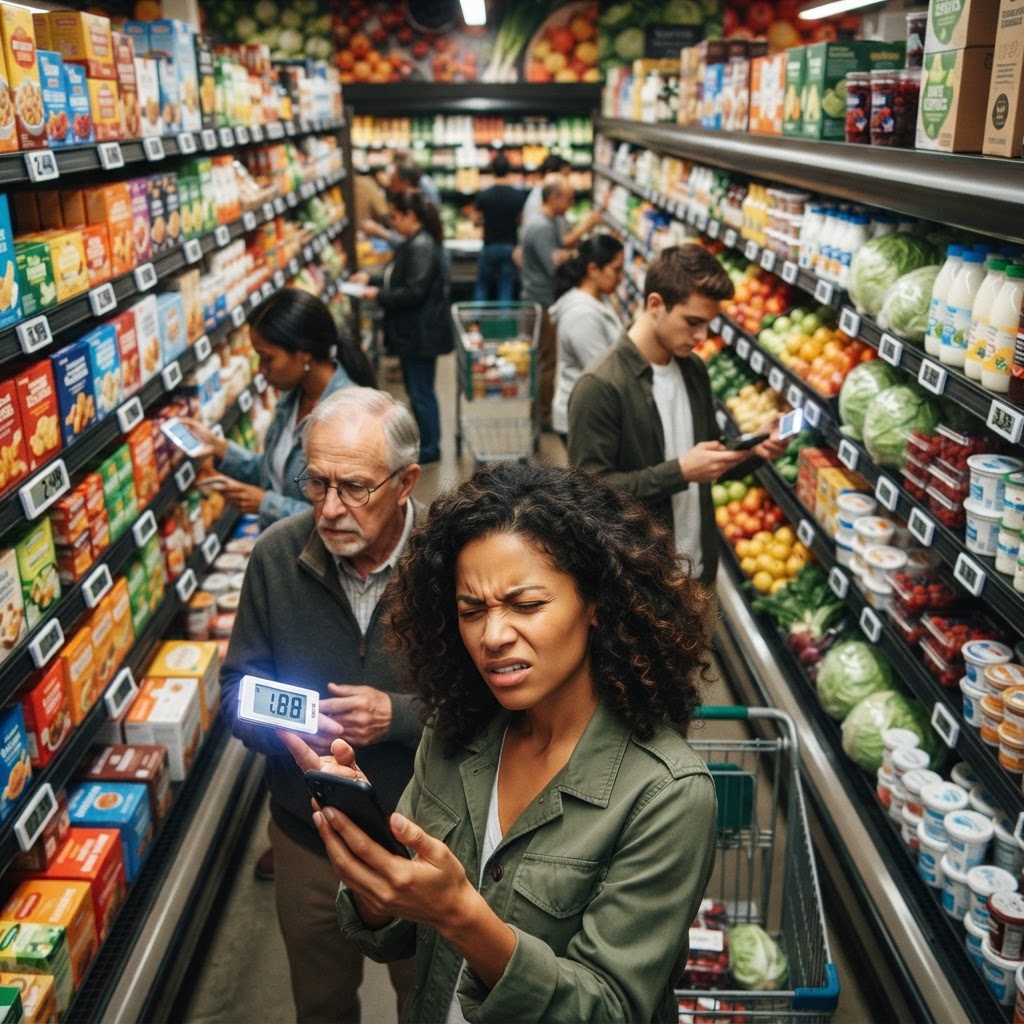
Enter your local supermarket, and it might not just be promotions and rows of goods staring back at you. Behind those digital price tags, a kaleidoscope of algorithms quietly manipulates the cost of your weekly grocery haul. It's dynamic pricing—a concept more at home on Wall Street than in your neighborhood store—and it's rewriting the rules of everyday shopping.
What We Know
Dynamic pricing is not new. Airlines and Uber have thrived on it for years. Yet, grocery surge pricing is reshaping how—including when and what—we buy. Some stores, especially those adopting advanced technology like electronic shelf labels, adjust prices based on time of day, demand, and even weather patterns. While this may optimize profits for retailers, it leaves consumers—particularly those shopping after work—facing fluctuating prices.
What's Being Claimed
Retailers often paint these algorithms as tools for fairer pricing. They argue that dynamic pricing can reduce waste by managing demand more efficiently. According to this narrative, it's a win-win situation—cheaper goods when demand is low, maintaining freshness and reducing environmental impact.
What's Missing
What these justifications gloss over is the ethical dilemma of profit maximization from everyday essentials. For working families who can only shop during peak hours, the touted benefits evaporate. The silent pact between algorithms and economics often remains unacknowledged. It's not just a pricing strategy—it's a financial burden, disproportionately shouldered by those least able to afford it.
What's Actually Happening
Many stores are silent on the specific algorithms powering these fluctuations. Companies like Amazon and Kroger are known for their data-driven approaches. Yet, precise details about how surge pricing is applied remain obscure. It's like being asked to play poker with a deck you can't see. This lack of transparency engenders mistrust and fuels suspicions of price manipulation.
"Dynamic pricing weaponizes data against consumers, turning necessity into opportunity for profit."
Why It Matters
The stakes are high. Grocery stores are not tech startups or rideshare apps; they are gateways to survival. Whereas surge pricing in other industries offers options, consumers face few alternatives when bread becomes priced like a near-expiry auction item. The legal landscape is murky, too, with no explicit regulation forbidding such practices, thus leaving American shoppers vulnerable.
Conclusion
Grocery surge pricing lays bare the chasm between corporate interests and consumer needs. It underscores a reality where algorithms, rather than ethics, dictate access to basic goods. While innovation in retail shouldn't be stifled, it must not come at the cost of deepening social inequity. Until transparency and fairness are prioritized, we're merely consumers caught in a data trap.
FAQ
Q: What is grocery surge pricing?
A: Grocery surge pricing is a dynamic pricing strategy used by some supermarkets, where prices are adjusted based on factors like time of day, demand, and even weather conditions, similar to pricing models seen in industries like airlines and rideshare services.
Q: How does dynamic pricing affect consumers?
A: Dynamic pricing can lead to fluctuating costs for groceries, potentially raising prices during peak shopping times, which disproportionately impacts individuals who can only shop during those hours.
Q: Why do retailers use dynamic pricing for groceries?
A: Retailers claim that dynamic pricing helps reduce waste by efficiently managing demand and offers lower prices when demand is low, though critics argue it prioritizes profit over consumer fairness.
Q: Is there any regulation against grocery surge pricing?
A: Currently, there are no explicit regulations forbidding surge pricing in groceries, leaving consumers vulnerable as the legal landscape around this practice remains unclear and largely unregulated.
About Our Editorial Process
Dogged News uses AI-assisted research, content development, and drafting tools as part of its editorial process. Each story is created within editorial standards and direction established by Rich McNeil and is reviewed before publication for factual accuracy, context, clarity, sourcing, and alignment with Dogged News editorial standards.
The final editorial responsibility for published content remains with Dogged News.
Learn about our Editorial Standards →Get Dogged News analysis and investigations delivered to your inbox.
Discussion (3)
0/2000 · Comments are reviewed before publishing.
Have an account? to comment with a verified identity.
To be fair, dynamic pricing is standard in almost every other sector like airlines or hotels. Why is everyone so shocked that grocery retailers want to maximize their margins?
Because hotels are optional, David. Nobody needs to book a luxury suite to survive, but everyone needs to eat. There is a moral line being crossed here.
Do we have any actual data showing this is widespread yet, or is this still mostly localized testing? I worry about small independent grocers getting crushed by the tech requirements for these systems.
Good point, Ben. It is mostly the big chains right now, but once the software becomes a commodity, even the small shops might feel pressured to adopt it just to keep up.
It is absolutely wild that we have normalized algorithms deciding if I can afford milk today versus tomorrow. When did survival items stop being treated as essentials?
I have been noticing price shifts at my local market throughout the day, and I thought I was just going crazy. It is definitely happening and it makes budgeting impossible.