

Algorithmic Extortion: What the July 4th Airline Surge Pricing Crisis Reveals
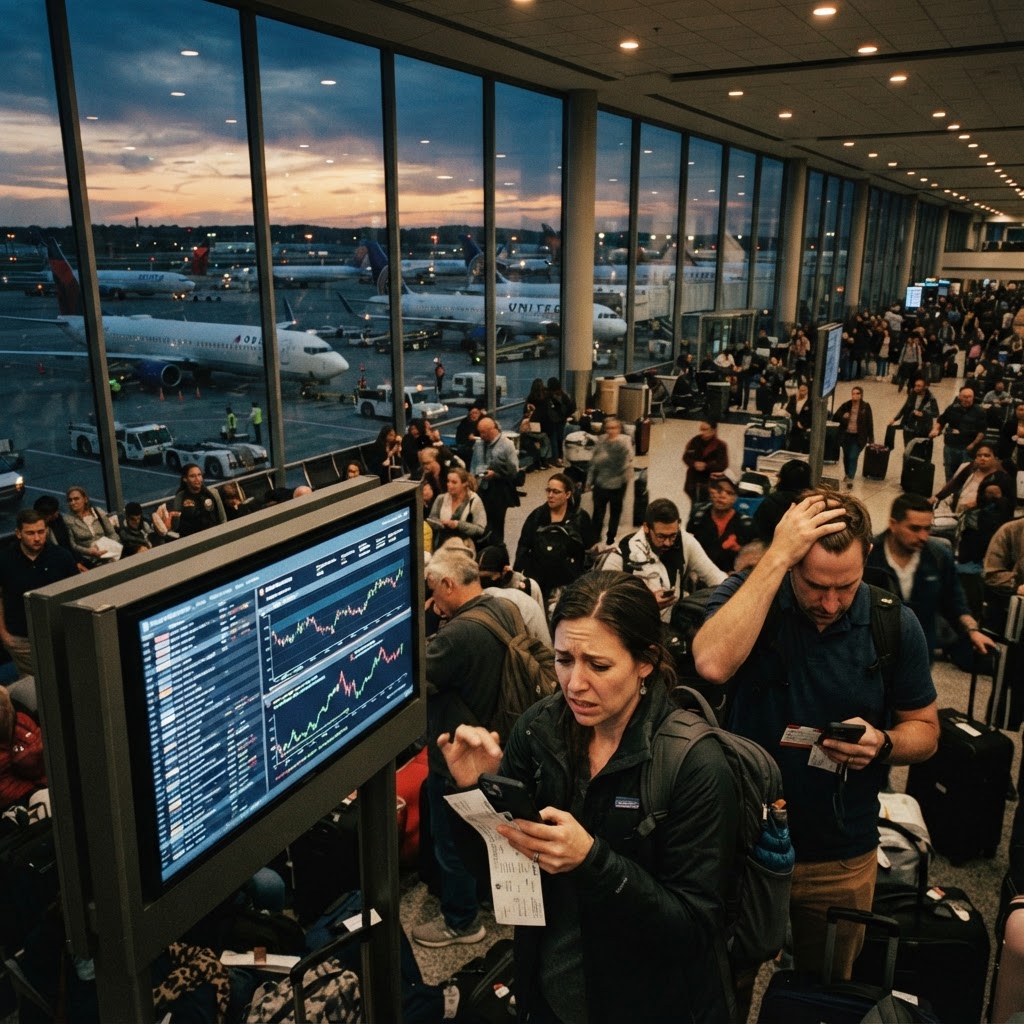
This past July 4th, frustrated travelers across the United States experienced an unprecedented surge in flight prices. Initially painted as a ripple from the pandemic-induced demand spike, this narrative conveniently doubles as a smokescreen for the real issue — a calculated market ploy facilitated by selective corporate practices. Behind the scenes, a few major airlines pull the strings on what appears as an unfortunate consequence of high demand. The reality? It's a purposeful flex of their monopolistic muscles.
What We Know
Travelers this Independence Day found themselves grappling with exorbitant ticket prices, often more than double the usual. In a market where four major airlines dominate nearly all domestic flights, these companies wield outsized influence over pricing dynamics. This is no accident. For years, these key players have used sophisticated, AI-driven algorithms to adjust prices dynamically, ostensibly in response to market conditions but, more pointedly, to pad their bottom lines.
What's Being Claimed
The establishment press has been quick to blame the post-pandemic travel surge. The argument is predictable: increased demand naturally inflates prices. But such explanations ignore the curious timing and congruence of these pricing adjustments, all meticulously calculated to maximize revenue. Airline executives credit their nimble pricing models — but these just conceal what's essentially price gouging sanctioned by corporate monopoly.
What's Missing
The narrative being sold barely touches on the role of unrestrained algorithmic tools in exacerbating these surges. Where's the scrutiny of how market consolidation has effectively allowed airlines to act with cartel-like precision? It's a game rigged in favor of those controlling the levers of the industry's digital infrastructure, with regulatory agencies seemingly caught flatfooted, unable or unwilling to constrain these practices.
What's Actually Happening
Airline surge pricing isn't an unfortunate byproduct of customer demand; it's the refined art of capitalism at its most aggressive. dynamically adjusted algorithms aren't merely responsive tools; they're designed to stretch budgets to the breaking point, methodically exploring just how much consumers can be pushed to pay. They know you're traveling for a reason. It's leverage, exploited with ruthless efficiency.
Why It Matters
This is about more than just missing a bargain on a holiday: it's about unchecked corporate power and the machinery of finance encircling everyday lives. As traditional oversight falters in the face of these tech-driven strategies, the question becomes: when will the antitrust watchdogs catch up? Current laws, crafted in an analog world, don't adequately contend with algorithmic coordination that borders on collusion — to the detriment of the consumer class.
“These tools illustrate a startling imbalance, a modern-day twist on monopoly power — where four companies effectively dictate travel costs for millions. It's deliberate, not incidental.”
Conclusion
The July 4th airline pricing debacle isn't merely another blip in an unstable market. It's a clear indication that structural shifts have profound implications. As algorithms get smarter, so do the tactics of those employing them. Until regulatory bodies adjust their sights, consumers remain pawns in a high-stakes game, where supply and demand are redrawn with new rules. It's an urgent call to examine not just the mechanics of these systems, but for the machinery of regulation to adapt — remembering who these systems should serve.
FAQ
Q: What is surge pricing and how does it affect airline ticket costs?
A: Surge pricing is a dynamic pricing strategy where the cost of tickets increases based on demand. In the airline industry, this often results in significant price hikes during peak travel times, like holidays.
Q: How do airlines use algorithms to influence ticket prices?
A: Airlines employ sophisticated AI-driven algorithms to monitor and adjust prices in real-time, optimizing for maximum profit by responding to demand fluctuations and consumer behavior trends.
Q: Why are regulatory bodies struggling to address these pricing practices?
A: Current laws and oversight frameworks were not designed to handle the complexities of algorithm-driven market strategies, which can resemble collusion and monopolistic practices.
Q: What can consumers do to protect themselves from high surge prices?
A: Consumers can try booking flights in advance, using fare comparison tools, and keeping flexible travel plans to avoid peak pricing periods and find the best deals.
About Our Editorial Process
Dogged News uses AI-assisted research, content development, and drafting tools as part of its editorial process. Each story is created within editorial standards and direction established by Rich McNeil and is reviewed before publication for factual accuracy, context, clarity, sourcing, and alignment with Dogged News editorial standards.
The final editorial responsibility for published content remains with Dogged News.
Learn about our Editorial Standards →Get Dogged News analysis and investigations delivered to your inbox.
Discussion (0)
0/2000 · Comments are reviewed before publishing.
Have an account? to comment with a verified identity.
No comments yet. Be the first to share your perspective.