

Huawei's New 6G Breakthrough: A Game Changer in Tech Decoupling?
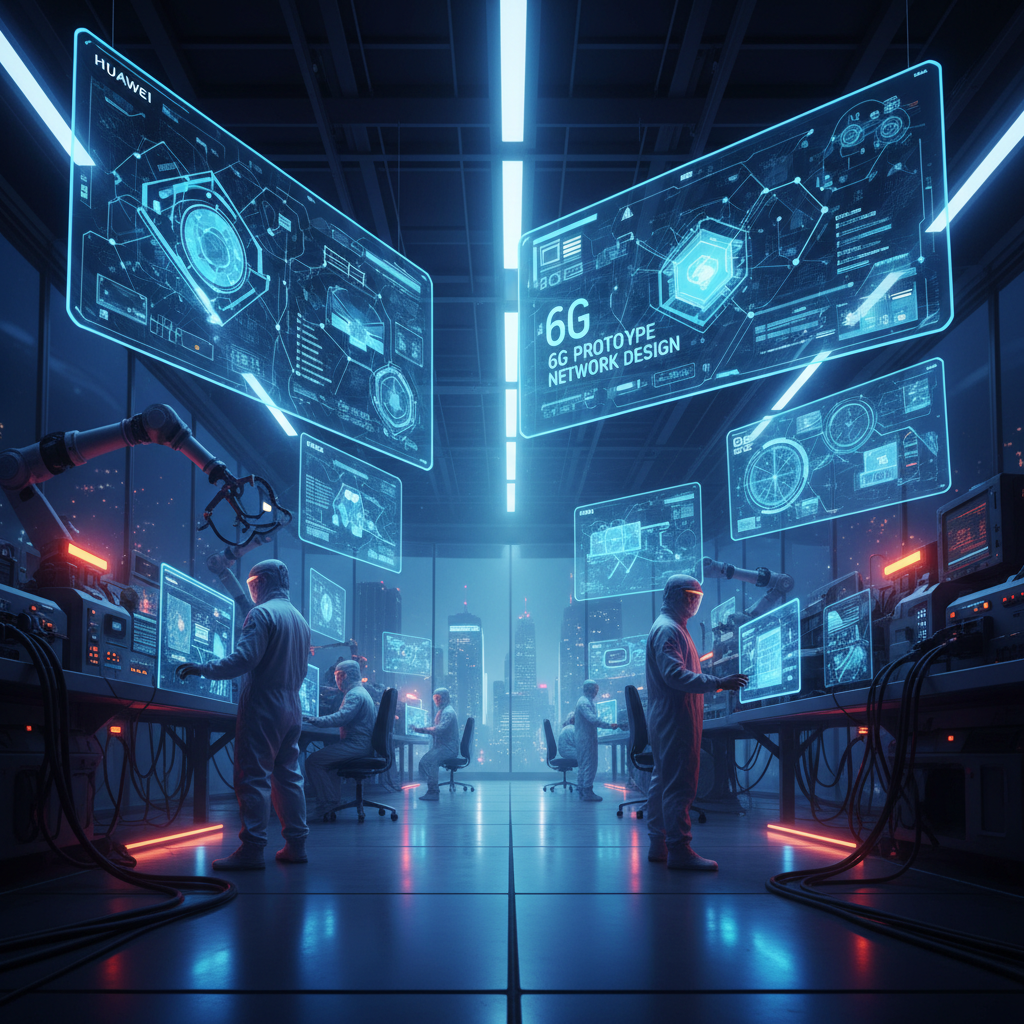
With much fanfare and strategic timing, Huawei has announced its latest leap in wireless communication—6G technology. As we scramble to understand the world after 5G, it seems we're already being asked to contemplate the next generation. Huawei's pronouncement is more than a technological boast; it's a bellwether for the simmering tech decoupling between the US and China. The implications, however, extend far beyond geopolitical sparring. A breakthrough of this scale challenges Western tech powerhouses to think critically about innovation, competition, and policy.
What We Know
Huawei claims to have made a significant advance in 6G technology, promising faster speeds and more efficient operations. At a global tech summit, company representatives highlighted their progress in developing new protocols and enhancements that promise radical improvements in data handling and connectivity. These aren’t just incremental updates; Huawei is suggesting a redefinition of the wireless landscape. But it doesn’t come as a surprise. Given Huawei’s heavyweight position since the rollout of 4G, the company has always been an aggressive player.
"A breakthrough of this scale challenges Western tech powerhouses to think critically about innovation, competition, and policy."
What's Being Claimed
Huawei wants you to believe that their leap into 6G marks a seismic shift in technological standards. They argue this technology will not just benefit China but propel the global telecommunications infrastructure forward—making connections faster and more reliable. However, such declarations are as much about perception as they are about technical capability. By positioning itself as the leader in 6G, Huawei seeks to secure dominance not just in tech but in the rules governing the future of wireless communications worldwide.
What's Missing
While Huawei's advancements are concrete, there are yet no standardized global agreements on what constitutes 6G. Huawei’s progress is shrouded in typical industrial secrecy, leaving key questions about interoperability and tech standards unanswered. International cooperation in technology relies heavily on mutual agreement; without this, Huawei's success could create isolated systems. For Western entities, balancing security concerns with technological progress becomes even more intricate.
What's Actually Happening
Huawei's claimed 6G advancements function less as an endpoint and more as a catalyst for shifting power structures. The technology isn't fully realized, but its potential is undeniable. What matters is the race itself—the global dialogue around this development is already altering collaborations, trade negotiations, and tech policy landscapes. Here's the real kicker: As the US continues its tech decoupling strategy with China, it unwittingly fosters an environment ripe for accelerated independent development.
Why It Matters
If Huawei's 6G initiatives pan out, it may cement China’s dominant position in international wireless technology—a seat the US would be loath to relinquish. This decoupling-driven innovation shouldn't be seen solely as a threat. It introduces opportunities for alternate alliances and technical ecosystems. Western governments must now reassess how they incentivize domestic tech development. Investment and regulation need to genuinely foster competitive advancements, not just react to them.
Conclusion
It's not just about Huawei or even 6G—the ripples of this announcement venture into the essence of global tech rivalry. As the US and Western allies navigate this tech decoupling labyrinth, it’s clear they can no longer coast on past achievements. This situation requires more than reactionary policy; it demands foresight and strategic investment in the future. Huawei may be winning a race, but there’s still a marathon ahead.
FAQ
Q: What makes Huawei 6G technology a game changer?
A: Huawei's 6G technology proposes significant improvements in speed and connectivity, which could redefine global telecommunications infrastructure and standard positioning.
Q: How does Huawei's advancement in 6G impact US-China tech relations?
A: It intensifies the tech decoupling dynamic, prompting Western countries to revisit their technological strategies and competitiveness.
Q: Why is there skepticism about Huawei's 6G claims?
A: The absence of global standards and detailed technical disclosures makes it hard to verify interoperability and true innovation extent.
Q: What strategic steps should Western governments take in response?
A: They should incentivize homegrown tech development, strengthen alliances, and regulate to encourage innovation while addressing security concerns.
Q: Is 6G essential for future tech developments?
A: Yes, 6G is expected to support advanced technologies like AI, IoT, and autonomous systems, making it a cornerstone of future digital infrastructures.
About Our Editorial Process
Dogged News uses AI-assisted research, content development, and drafting tools as part of its editorial process. Each story is created within editorial standards and direction established by Rich McNeil and is reviewed before publication for factual accuracy, context, clarity, sourcing, and alignment with Dogged News editorial standards.
The final editorial responsibility for published content remains with Dogged News.
Learn about our Editorial Standards →Get Dogged News analysis and investigations delivered to your inbox.
Discussion (0)
0/2000 · Comments are reviewed before publishing.
Have an account? to comment with a verified identity.
No comments yet. Be the first to share your perspective.